

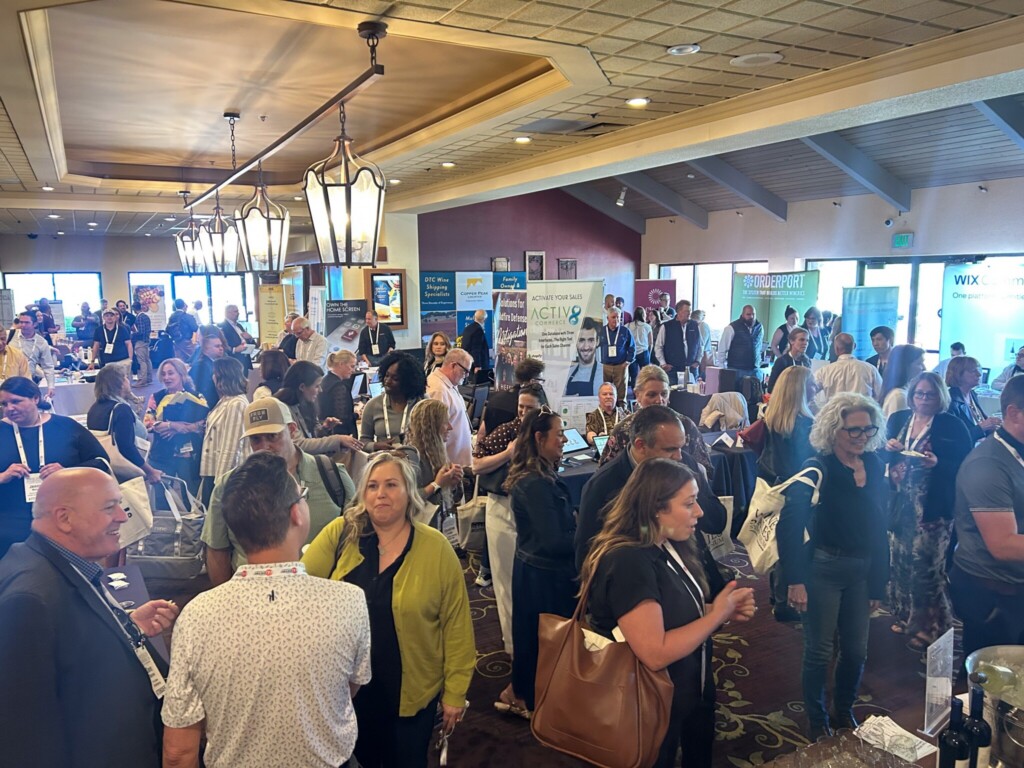
26 May The Future of Wine Is Changing. The Community Around It Is Not.
I have spent more than two decades in the wine industry. And while wine is a product, a commodity, a business, I have never thought of it only as that.
Wine tells stories. Each bottle tells the story of a place, culture, family, and history, as well as the year and the people involved in bringing it to life. Some of my closest friendships, most memorable travels, and meaningful conversations have taken place around a table with wine. Wine has always been about connection.
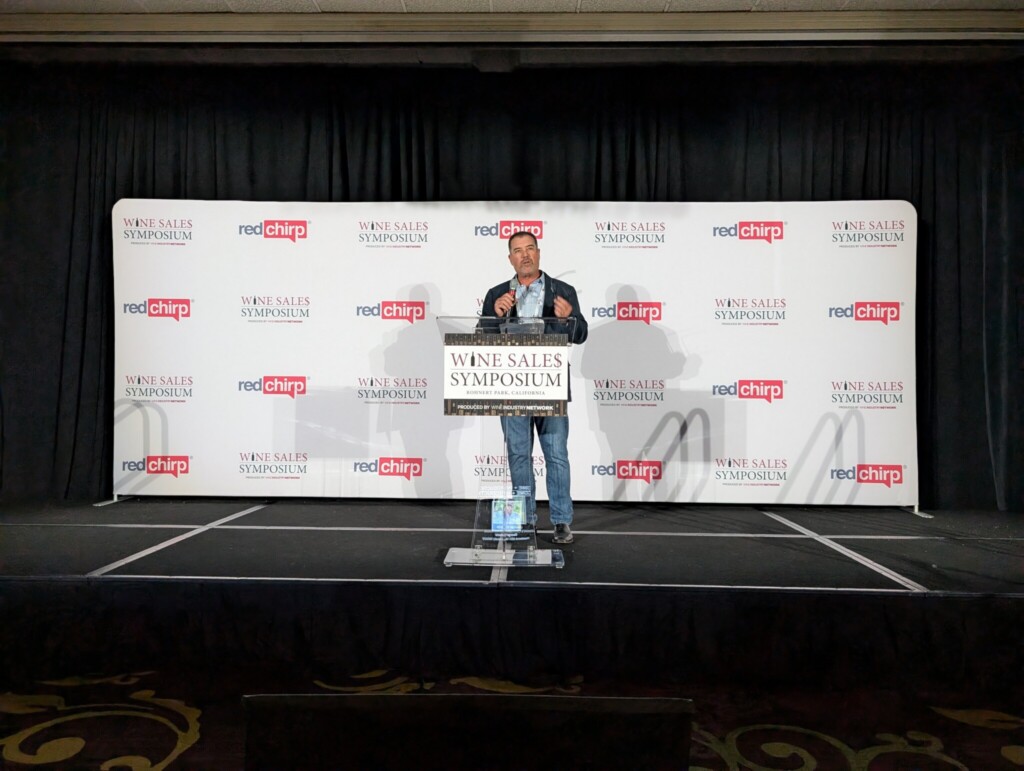
That is why recently attending the Wine Sales Symposium in Sonoma this year felt especially important.
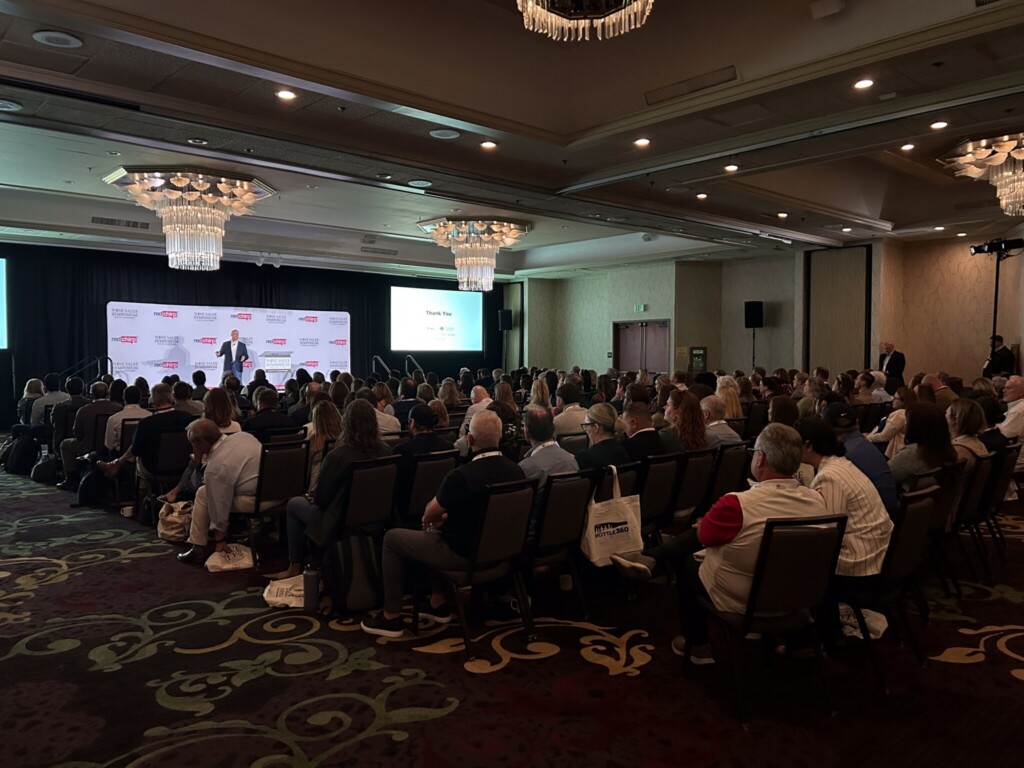
The symposium brought together wineries, industry professionals, and direct-to-consumer leaders to discuss where the wine industry stands today and where it may be heading tomorrow. The conversations and sessions covered everything from economics and demographic shifts to DTC (direct-to-consumer) strategies, hospitality, wine clubs, and consumer behavior. But underneath all of the presentations, statistics, and slides was a recurring theme: the industry is changing, and everyone is trying to figure out how to adapt.
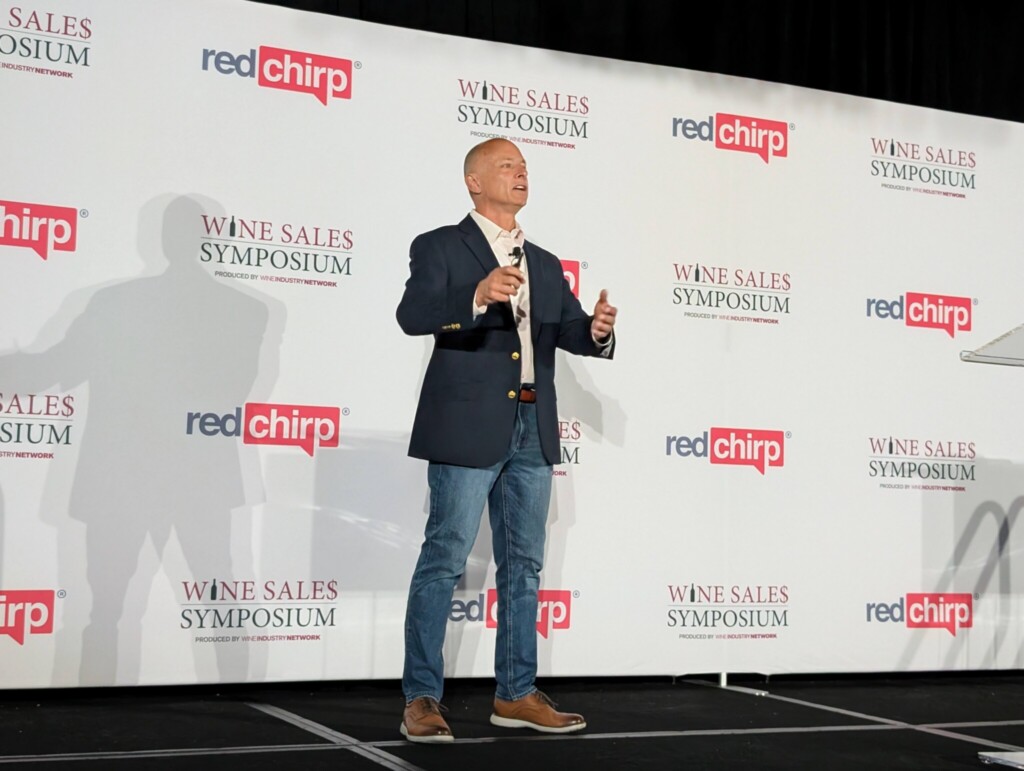
One of the comments made early in the symposium by Senior Wine and Grape Analyst for Terrain/American AgCredit Dr. Chris Bitter that stayed with me was the idea that wineries are “competitors, but a community.” That sentiment was visible throughout the event. In an industry facing real challenges, people were openly sharing ideas, experiences, frustrations, and strategies. The room was honest, but also had a sense of camaraderie.
And the honesty is that the challenges are real. The wine industry is not simply experiencing a temporary slowdown. It is undergoing a structural shift.
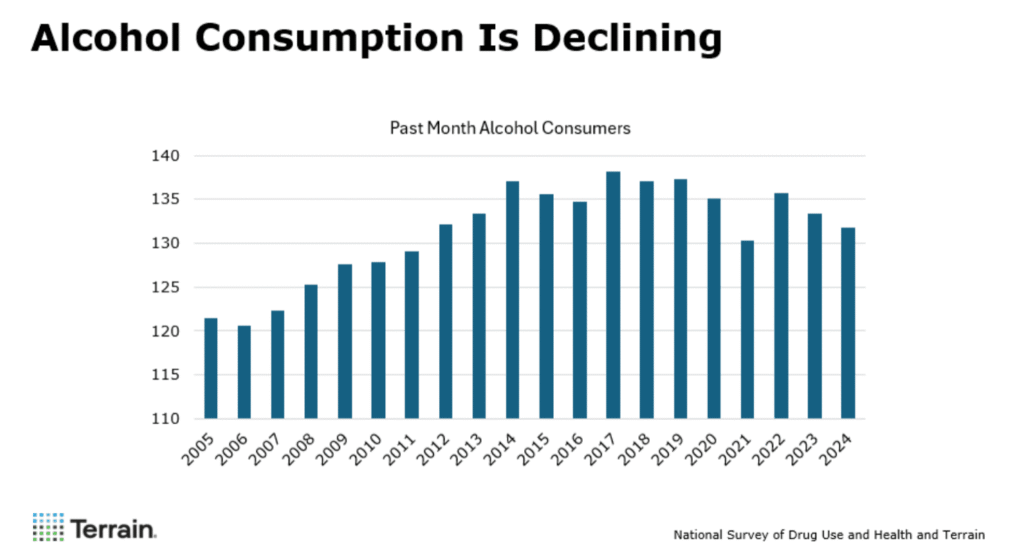
Alcohol consumption overall is declining. Consumers are moderating their drinking habits and placing a greater focus on health and wellness. At the same time, wine is losing its market share within the alcohol category. Younger generations are drinking differently than previous generations, and competition now extends far beyond beer and spirits. RTDs (Ready-to-Drink) remain the fastest-growing alcohol category, while cannabis beverages, THC drinks, and non-alcoholic options continue to expand rapidly. Even social behavior has shifted, with less in-person socializing impacting alcohol consumption overall.
Economic uncertainty adds another layer of pressure. Inflation continues to influence spending habits. Consumers remain cautious and price sensitive, and wineries are feeling the effects across multiple sales channels.
While the overall outlook may be challenging, the symposium also highlighted areas of opportunity.
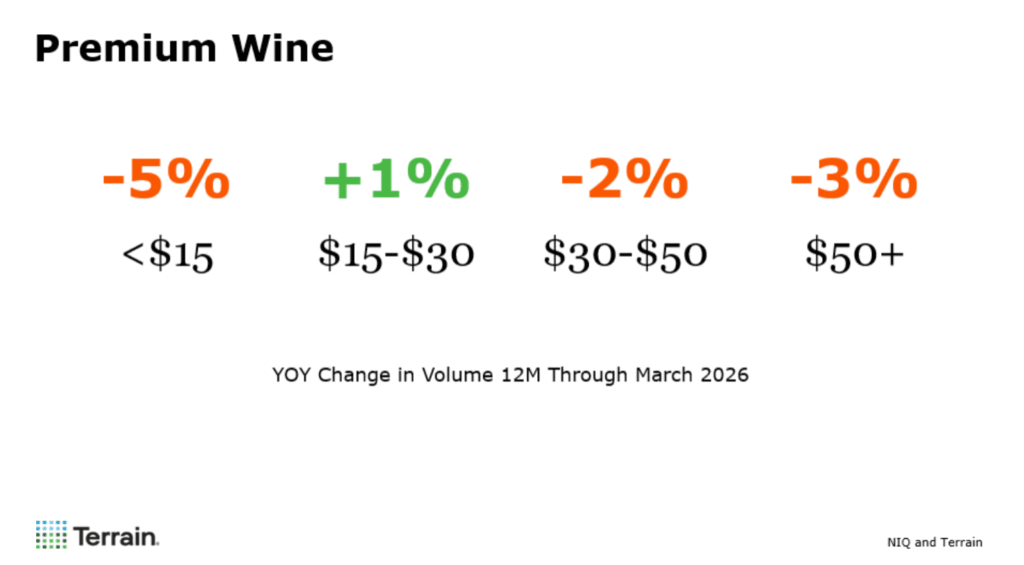
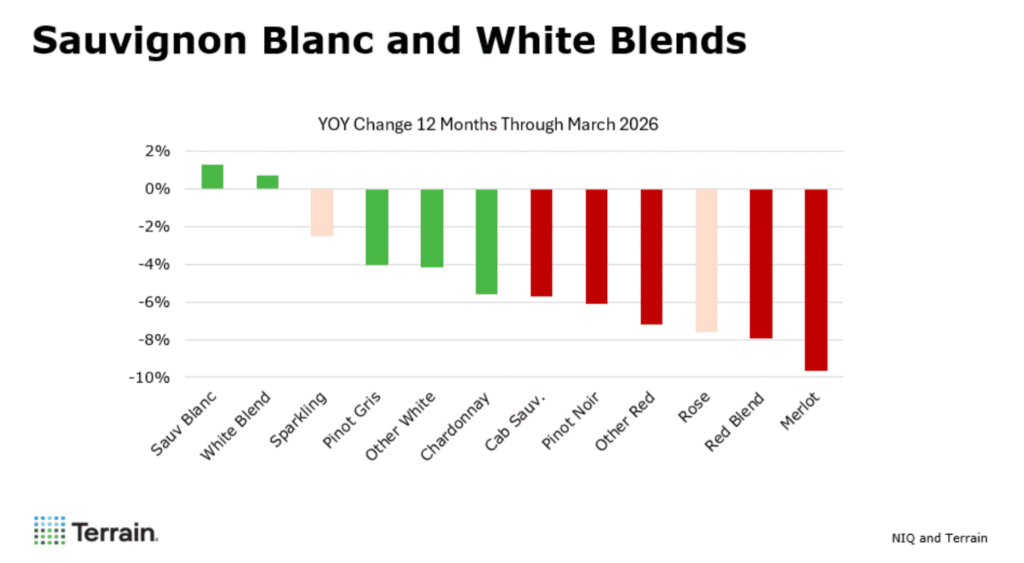
Premium and luxury wines continue to show resilience. White wines and sparkling wines are performing well. Small format packaging is growing, reflecting changing consumption habits and a desire for moderation. Wine-based cocktails and non-alcoholic products are also seeing significant growth.
The symposium emphasized three DTC priorities: enhance the consumer experience, maximize every visitor and club member relationship, and “take the show on the road.” In other words, wineries cannot simply wait for consumers to come to them. They need to create meaningful connections, tell compelling stories, and engage customers where they are. After all, if consumers are drinking less overall, each interaction matters more.
This new reality also forces wineries to better define who they are. One of the strongest takeaways from the symposium centered around three strategic imperatives: define your competitive advantage, focus on winning within your niche, and sharpen your value proposition. For many wineries, success may no longer come from trying to appeal to everyone. Instead, it may come from building deeper loyalty with the right audience.
As someone who has built a career around wine storytelling, events, and helping consumers discover wines they may never have encountered otherwise, that message resonated deeply with me. Wine has always been emotional, experiential, and personal. The wineries that continue to succeed will likely be the ones that understand this more clearly.
The data shared at the symposium may have reflected an industry in transition, but the energy in the room told another story entirely.
I was surrounded by people who still care deeply about wine. They care about the land, the farming, the history, the hospitality, the conversations, and the moments shared around a bottle. Each attendee is focused on growing their own business, but they care enough to gather together, exchange ideas, and work collectively toward the future, even while navigating uncertainty.
The future of wine may be changing. But the community around it is not. And if you are reading this, and you enjoy drinking wine, you are part of this community. Support your favorite wineries. Explore new wines. And then enjoy those wines with friends.
Discover more from Please The Palate
Subscribe to get the latest posts sent to your email.