

08 Sep Lodi: The Wine Region Hiding in Plain Sight
When you think about California wine, where do you think most of the grapes are grown? Most people would say Napa. After all, Napa is California’s most famous wine region. But Napa accounts for only about 4 to 5 percent of California’s wine grapes. Lodi, by comparison, grows approximately 21 percent.
In other words, roughly one out of every five wine grapes grown in California comes from Lodi.
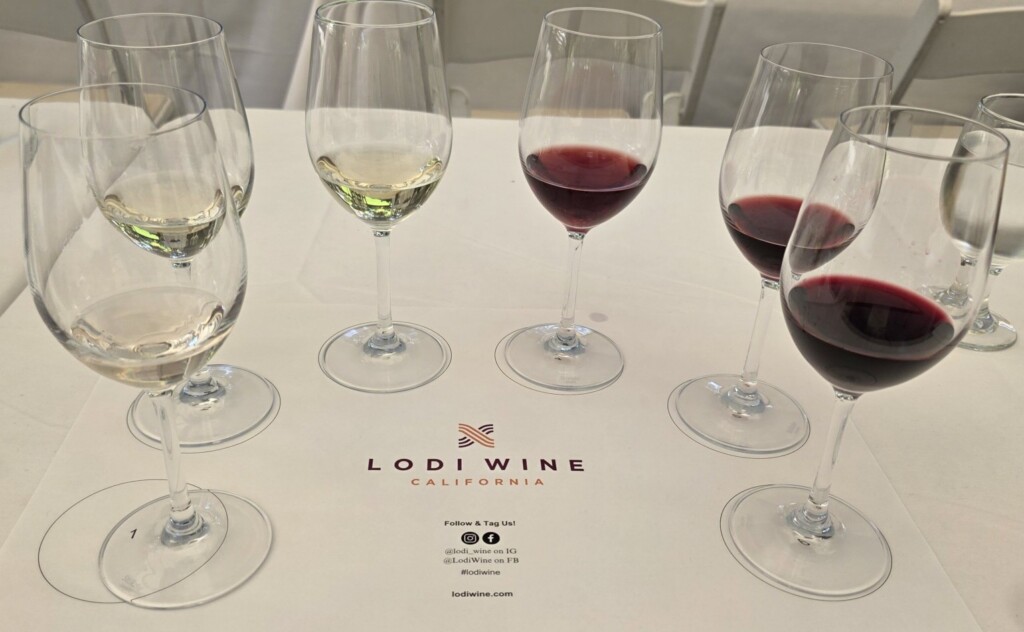
That number stopped me for a moment when I flew up to Lodi a few weeks ago for the region’s first annual wine showcase, featuring more than 30 wineries. I knew Lodi was an important farming region. I knew it was home to old-vine Zinfandel. And, thanks to my work with the Festival of Undiscovered Grapes, I knew it was a source for an extraordinary range of grape varieties. But one-fifth of California?
Perhaps that explains something about Lodi. It is simultaneously one of California’s most important wine regions and one that many wine drinkers know relatively little about. Lodi has been hiding in plain sight.
The Backbone of California Wine
Grapes have been grown around Lodi since the 1850s, long before the Lodi AVA was established in 1986. Today, there are approximately 82,000 acres of vineyards spread across seven AVAs, farmed by some 700 grape growers.
And what grows in Lodi? There is a lot more than Zinfandel; there are 136 different wine grape varieties planted across the region.
There are the grapes historically associated with the region, including Zinfandel, Carignan and Cinsault, with some vines more than a century old. But there is also Albariño, Vermentino, Picpoul Blanc, Grenache Blanc, Tempranillo and dozens upon dozens more.
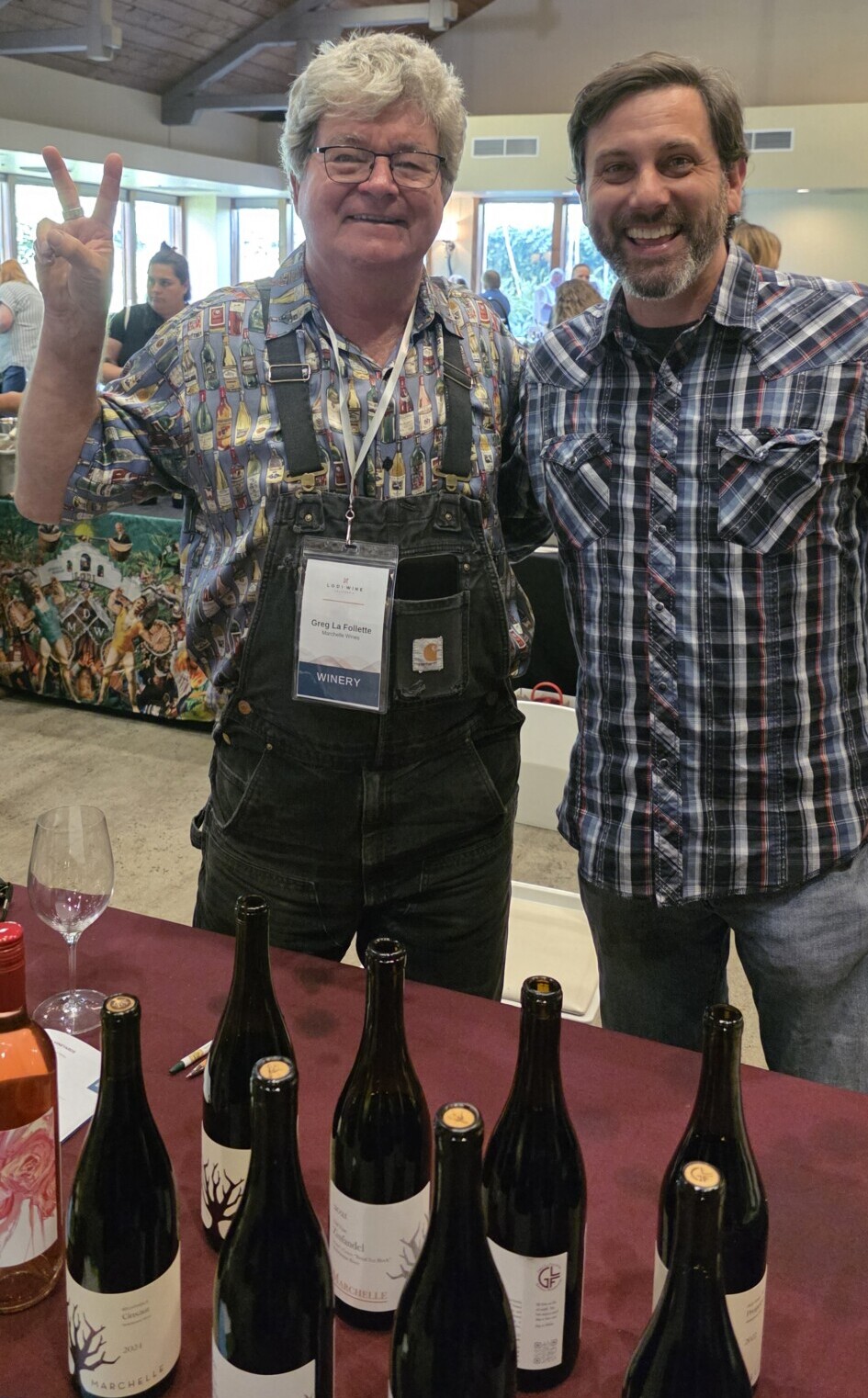
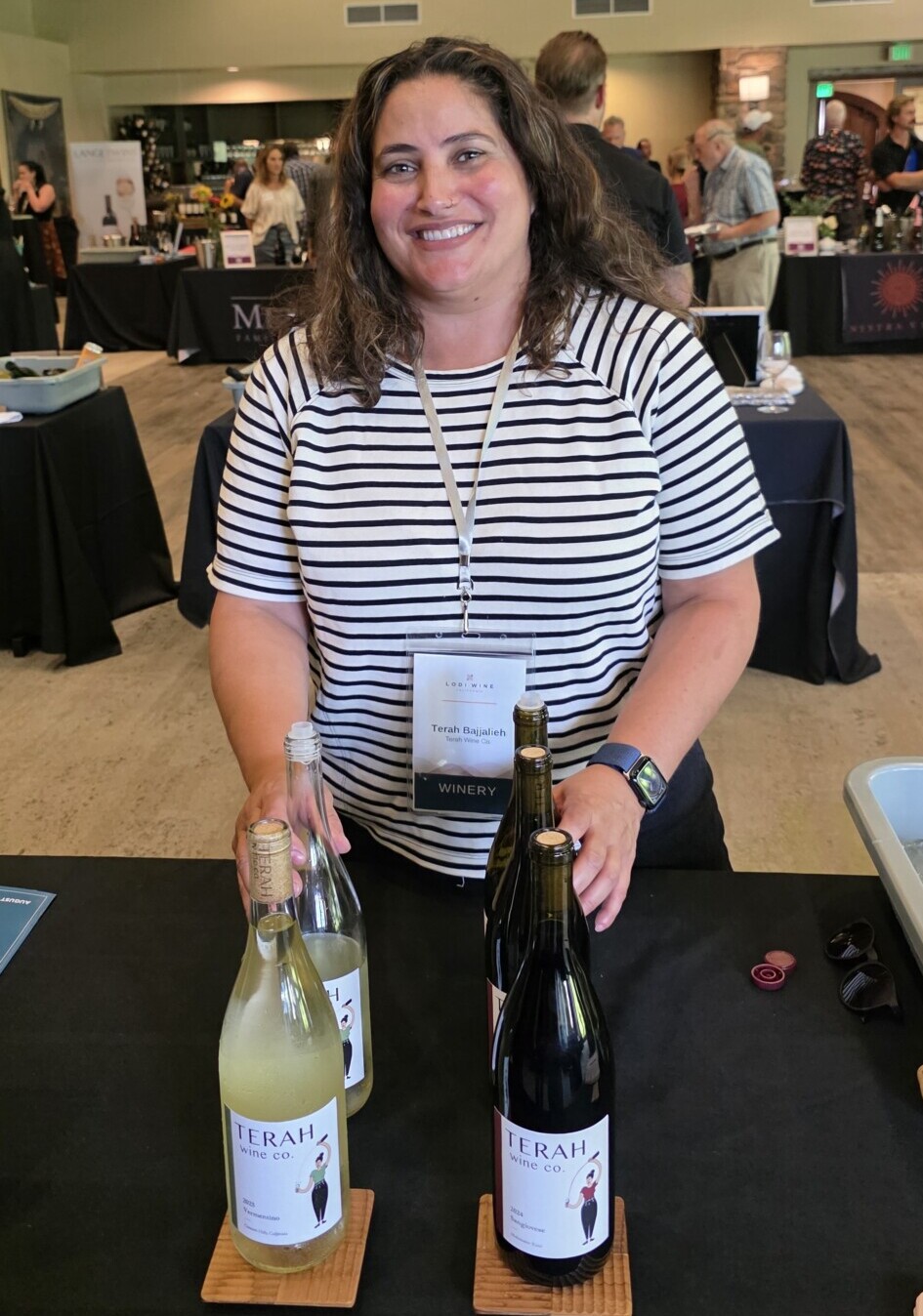
For generations, Lodi has been a farming community first. Independent growers farm the majority of Lodi’s vineyards, selling fruit to wineries both inside and outside the region. Winemakers from outside Lodi actively seek out that fruit. Marchelle Wines works with old-vine Carignan and Cinsault, including Cinsault from the historic Bechthold Vineyard. Terah Wine Co. sources organically grown Lodi fruit from grower Craig Ledbetter.
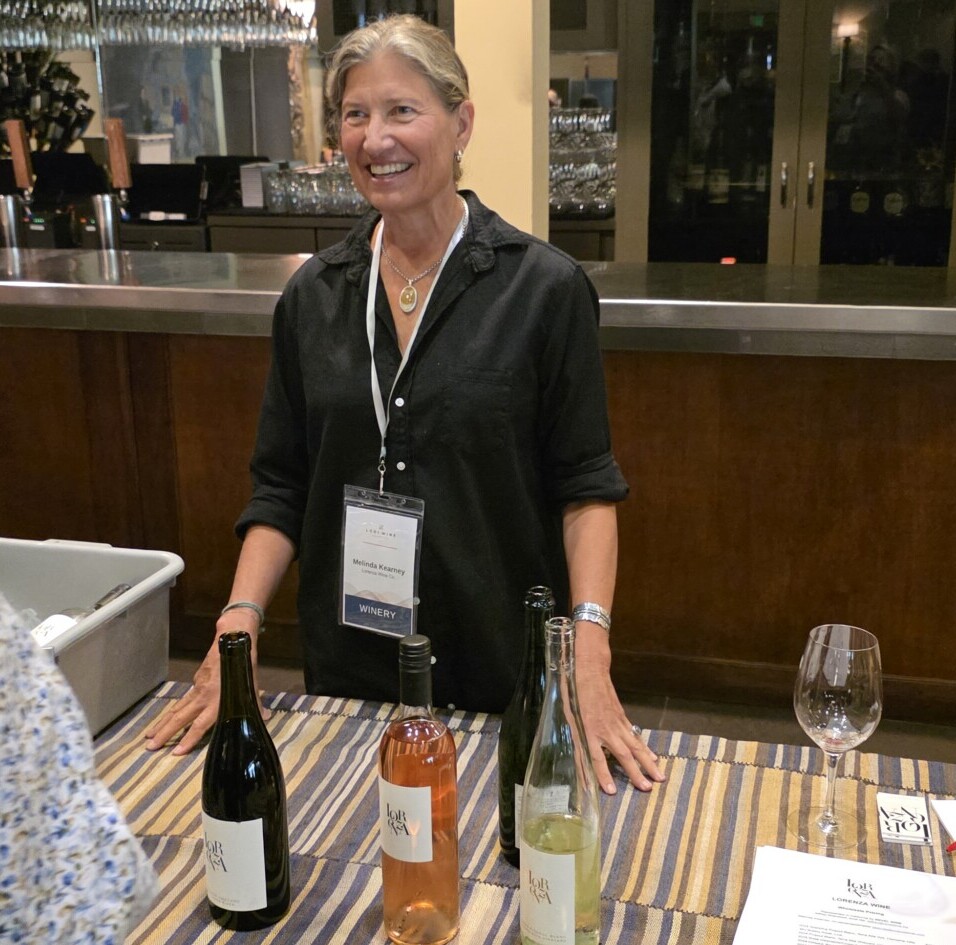
Lorenza sources Picpoul Blanc for both still and sparkling wines from Bokisch’s Terra Alta Vineyard, as well as old-vine Carignan from Rauser Vineyard and Cinsault from Bechthold Vineyard.
These producers may not be based in Lodi, but Lodi vineyards are an important part of the wines they make. Chances are that you may have tasted Lodi grapes without realizing it.
That role has earned Lodi a reputation as the “backbone” of the California wine industry. But perhaps being the backbone has also made it easier to overlook.
More Than Warm and Ripe
There is another assumption about Lodi that is worth challenging: that it is simply hot. Look at a map and things get more interesting.
Lodi sits east of San Francisco Bay and west of the vast Sacramento-San Joaquin River Delta. As temperatures rise during the day, cool Pacific air is pulled inland through a gap in the Coast Ranges and across the Delta’s network of waterways, creating a natural air conditioner for the region.
That cooling influence helps explain why, alongside the ripe reds people might expect from Lodi, I was tasting fresh, bright, fruit-driven white wines as well as lighter, lower-alcohol reds.
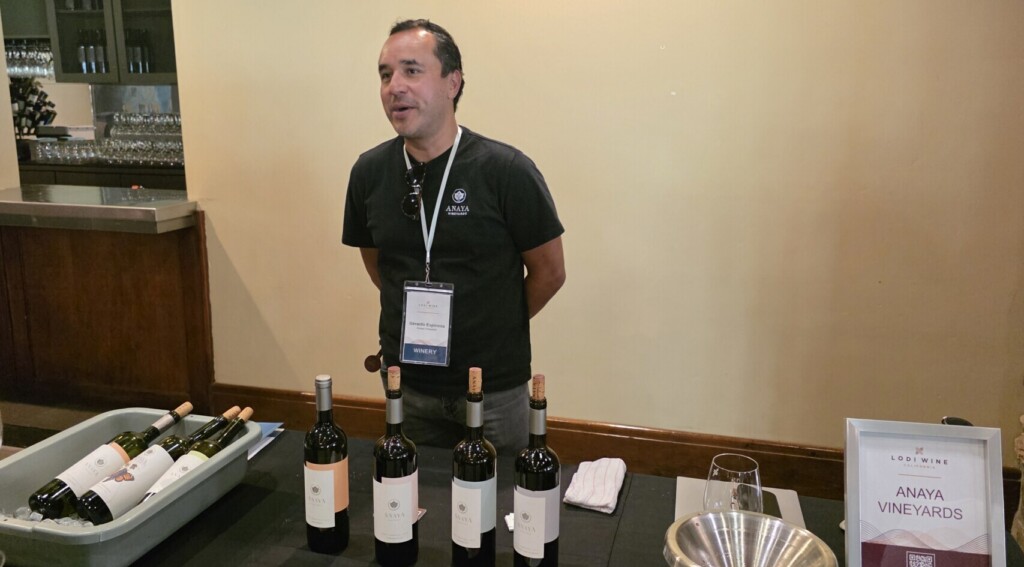
At Anaya Vineyards, there was Albariño as well as a skin-contact Pinot Gris. The reds included Nebbiolo at 13.9 percent alcohol and a carbonic Tempranillo at 13.2 percent.
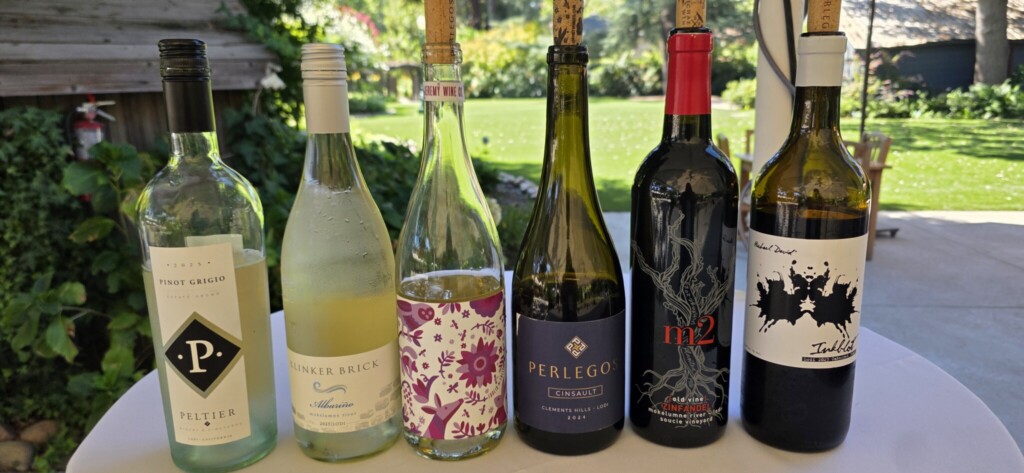
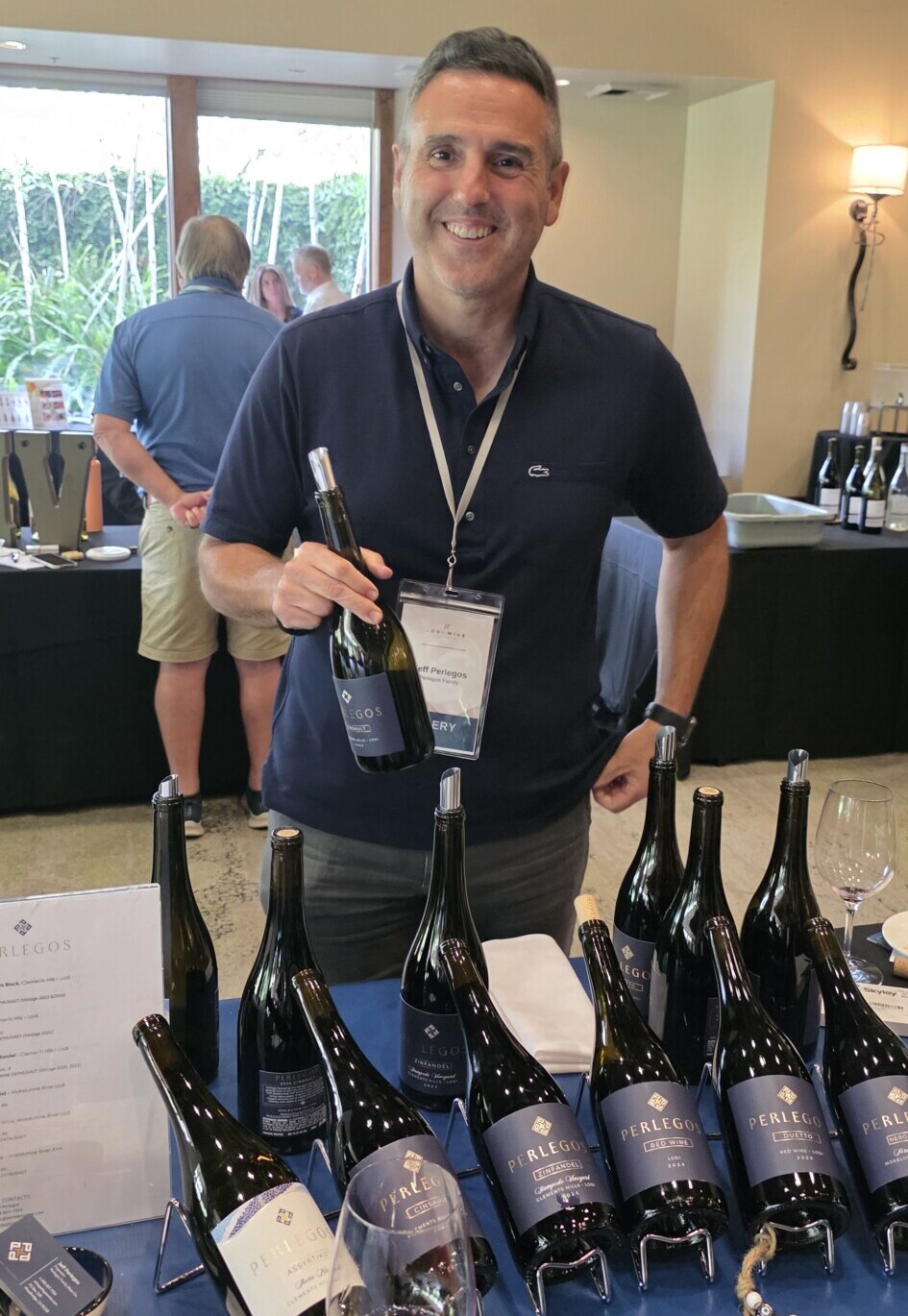
And Anaya was just the beginning. Intercoastal Vineyards poured a Pinotage Bianco. Jeremy Wine Co. offered Grüner Veltliner, while Maley Vineyard showcased Arneis. Perlegos Family Wine presented Assyrtiko alongside a Cinsault at 13 percent alcohol and a Nero d’Avola at just 12.5 percent.

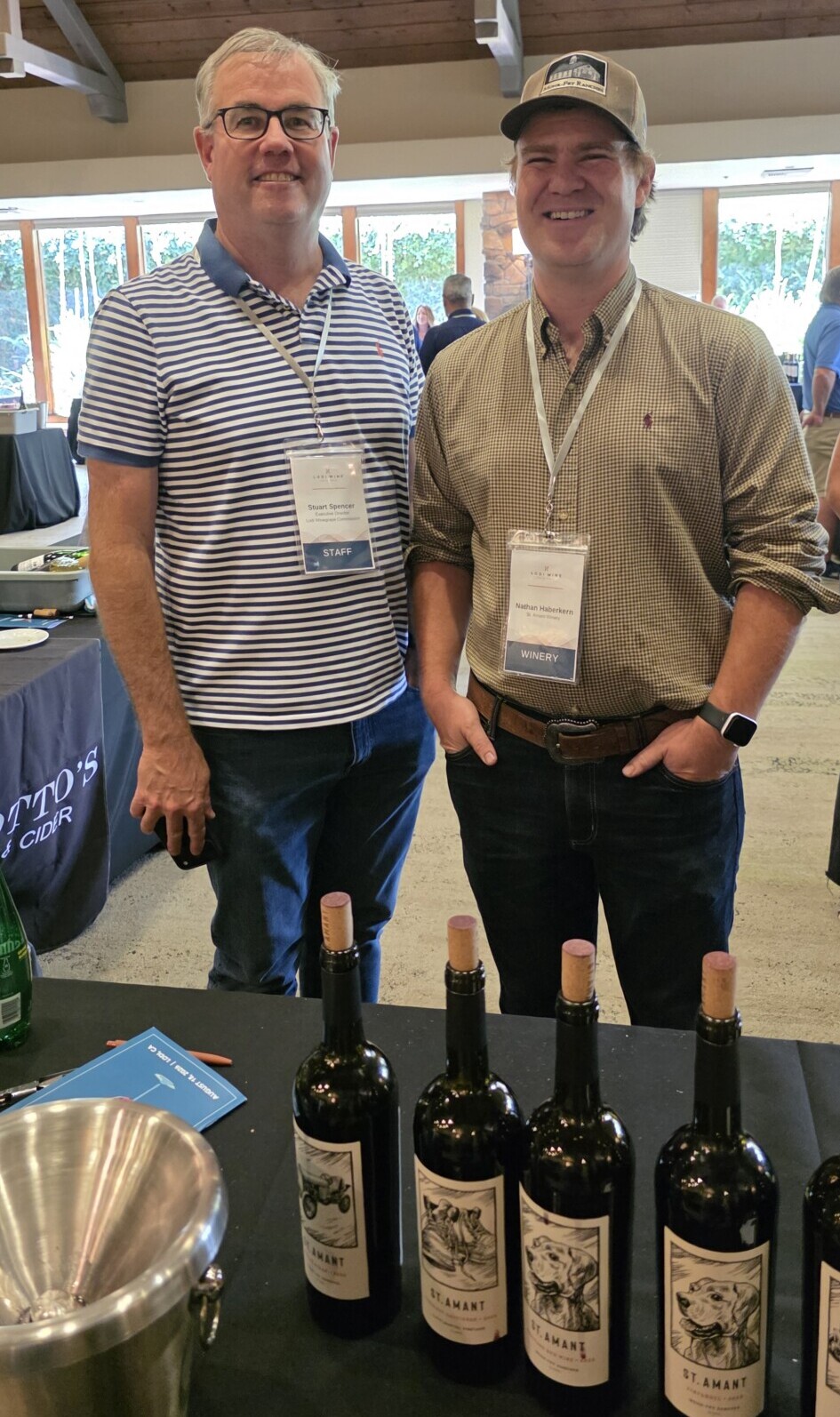
Even more familiar California varieties were being presented in a fresher style. St. Amant’s Heritage Red, a blend of Zinfandel, Petite Sirah and Alicante Bouschet, comes in at 13.8 percent alcohol.
These are not necessarily the wines people associate with Lodi, but they show another side of what the region can produce.
And those wines matter right now because consumer tastes are changing. People are looking for freshness, lower alcohol, different varieties and wines that offer value. Lodi, a region long known for supplying grapes to the rest of California, already has many of those pieces in place.
Old Vines, New Ideas
The soils tell another part of the story. Fine sandy loam is one of Lodi’s signatures, particularly around the Mokelumne River. Those deep sandy soils helped protect vineyards from phylloxera, which is why you can still find old, own-rooted vines here.
But Lodi isn’t one uniform landscape. Soils range from heavier clay in the south to lower-vigor sites and well-drained, stony soils as you move through the region. That diversity has given growers room to experiment.
Bokisch Vineyards is one example. Markus and Liz Bokisch have helped establish Spanish varieties in Lodi, growing grapes such as Albariño, Garnacha Blanca, Tempranillo and Graciano. These varieties have become another part of Lodi’s increasingly diverse identity.

New ideas in Lodi are not limited to what is planted. They also extend to how vineyards are farmed. Third-generation winegrower Craig Ledbetter grows the grapes for Avivo Wines using regenerative farming practices focused on soil health, biodiversity and climate resilience. Avivo’s Vermentino and Sangiovese offer another expression of what Lodi can be.
And yet Lodi’s history is unquestionably important. There are old vines and families who have farmed here for generations. Cinsault from the Bechthold Vineyard, planted in 1886, and old-vine Carignan from vineyards such as Rauser connect today’s wines directly to that history.
But this isn’t simply a story about preserving the past. It is also about what comes next. With 136 grape varieties, 700 growers, old vines, relatively affordable land and generations of farming knowledge, Lodi has all the pieces in place to evolve with today’s wine drinker.

A Region Worth Exploring
Lodi is a place where you can discover a grape you have never tasted, drink wine from vines planted more than 100 years ago, talk to the families farming them, and then taste something completely unexpected being made by the next generation.
For generations, Lodi has helped supply California wine. Perhaps that is part of why it has been so easy to overlook. But with old vines, 136 grape varieties and a new generation exploring what the region can be, Lodi deserves more than a supporting role.
It is time to pay attention to the wine region that has been hiding in plain sight.
Discover more from Please The Palate
Subscribe to get the latest posts sent to your email.