

11 Aug “Farm Like The World Depends on It” – Why Paso Robles Growers Are Choosing Regenerative Organic Farming
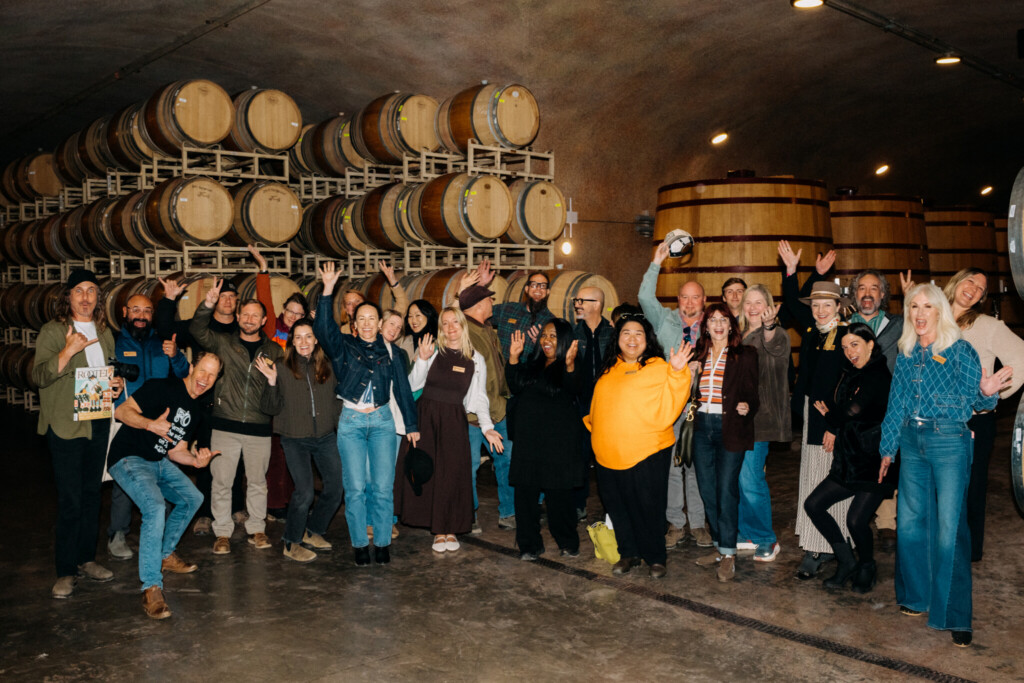
A few months ago, I spent a week visiting the six Regenerative Organic Certified® wineries in Paso Robles. When I checked into my room upon arrival, there was a bag sitting on the bed with the message, “Farm Like The World Depends On It.” Since that visit, that simple phrase has stuck with me.
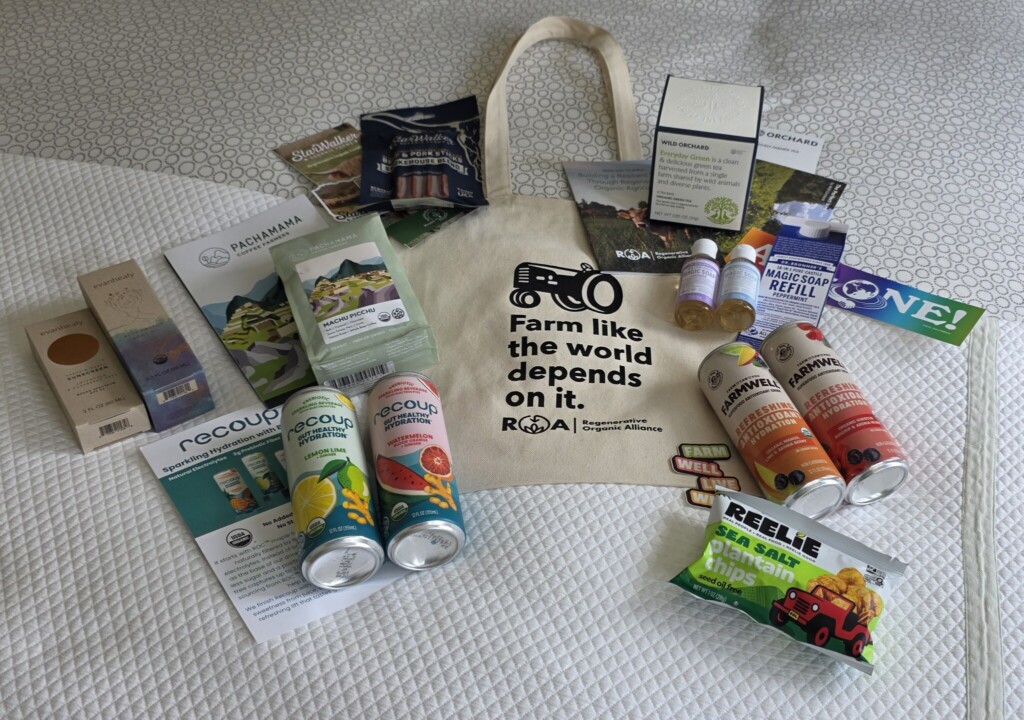
It is a catchy slogan. But after walking vineyards, talking with growers and winemakers, and seeing regenerative farming in practice, I was reminded that it was much more than that. It reflected a philosophy shared by every winery I visited – a belief that farming isn’t just about producing great grapes today, but about leaving healthier soils, stronger vineyards, and a more resilient ecosystem for future generations.
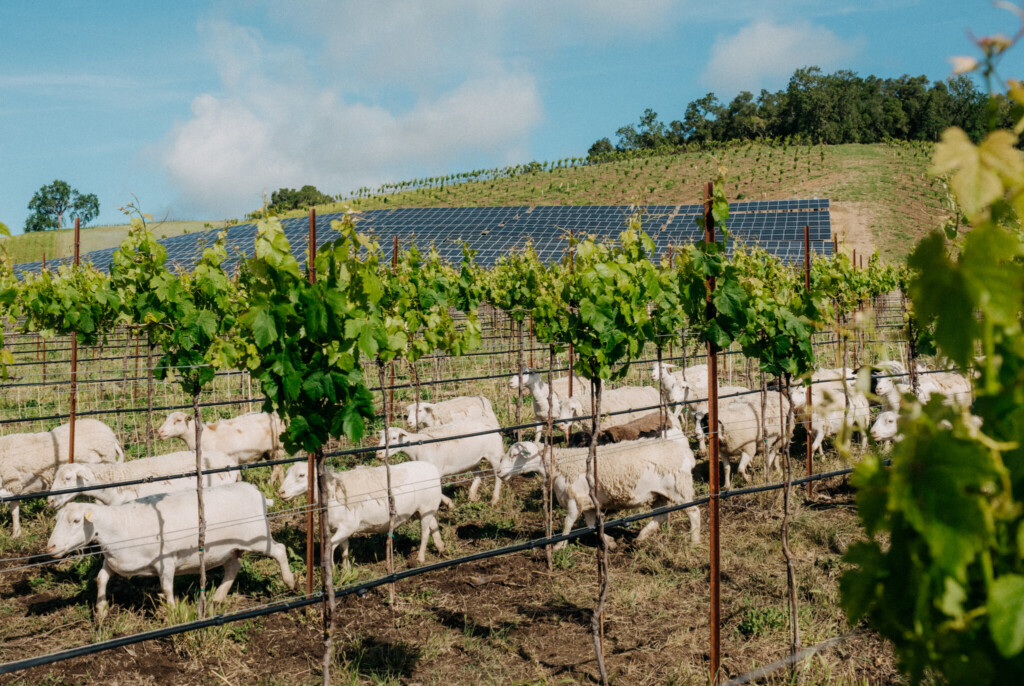
Each winery had its own path to Regenerative Organic Certification. Some were motivated by the goal of improving soil health and water retention. Others were driven by long-term stewardship, experimentation, or a desire to build on existing organic and biodynamic practices. What united them was the understanding that simply sustaining the land is no longer enough; they want to restore it.
I had the opportunity to tell that story in The Vintner Project, exploring the personal and philosophical decisions behind regenerative farming in Paso Robles. Below are a few highlights from the story:
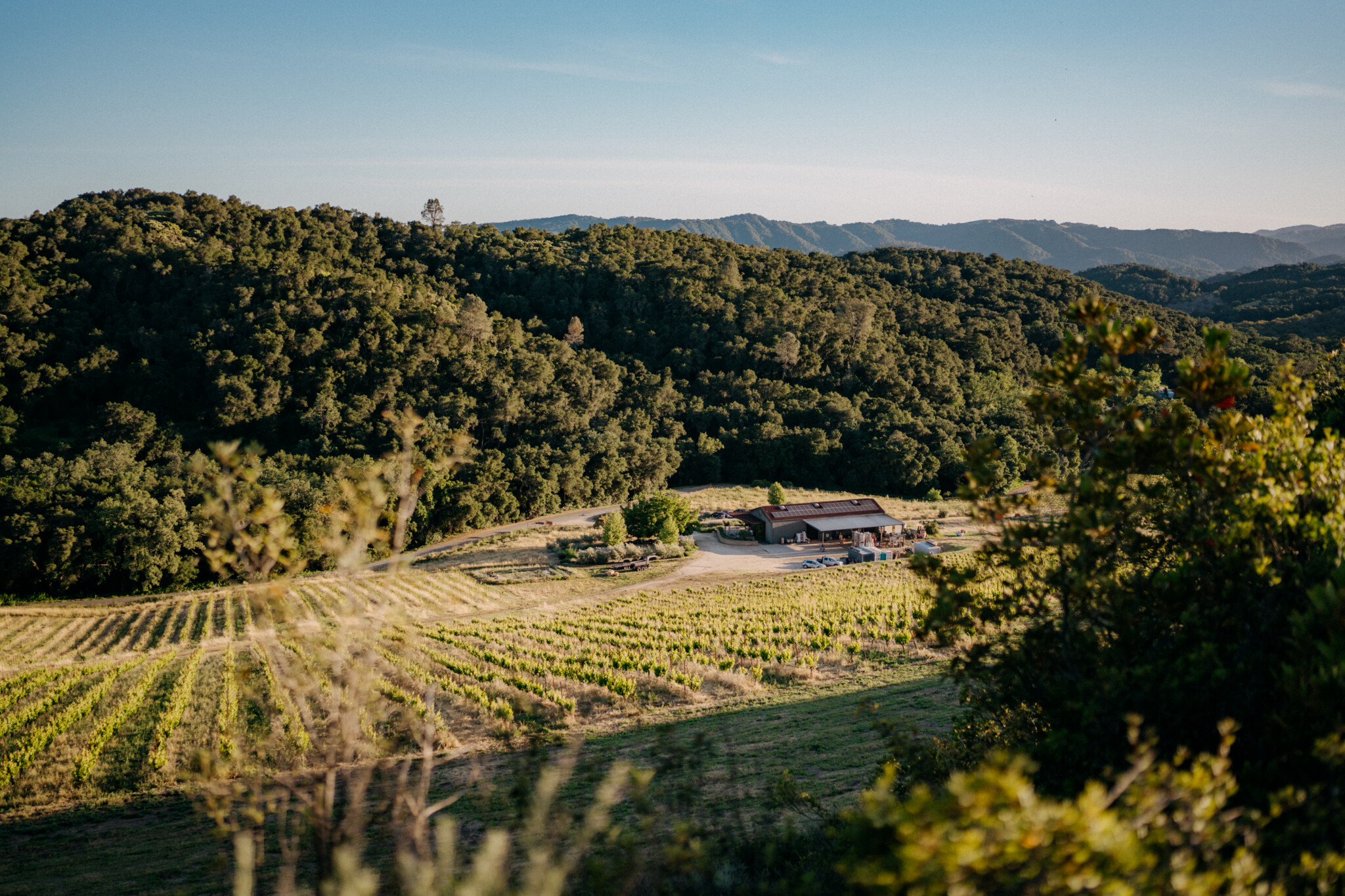
Of the 22 wineries worldwide that are Regenerative Organic Certified® (ROC), 6 are based in Paso Robles: Tablas Creek Vineyard, Booker Vineyard, Halter Ranch Vineyard, MAHA Estate, Robert Hall Winery, and Le Cuvier Winery. Some were early adopters; others joined more recently.
Over the past decade, a small but growing group of wineries has moved beyond organic and biodynamic farming toward a system that prioritizes soil health, animal welfare, and social responsibility. Paso Robles has emerged as one of the leading regions in this movement. The urgency is real. According to the Regenerative Organic Alliance, topsoil is being lost globally at a rate of roughly 30 soccer fields every minute. This threatens the long-term viability of agriculture and the communities that depend on it.
These six Paso Robles producers share a common belief: farming decisions made today must serve the next generation.
Why Move Beyond Organic?
For many growers, the decision to adopt regenerative farming did not begin with certification. It began with practical observations, long-held philosophies, and a desire to build more resilient vineyards.
Though their motivations differed, the growers ultimately arrived at the same conclusion: simply sustaining the land is no longer enough. The goal is to leave the land healthier than they found it.
The Risks Behind the Decision
Choosing regenerative organic farming requires more than a belief. It also requires financial investment, operational changes, and a willingness to play the long game.
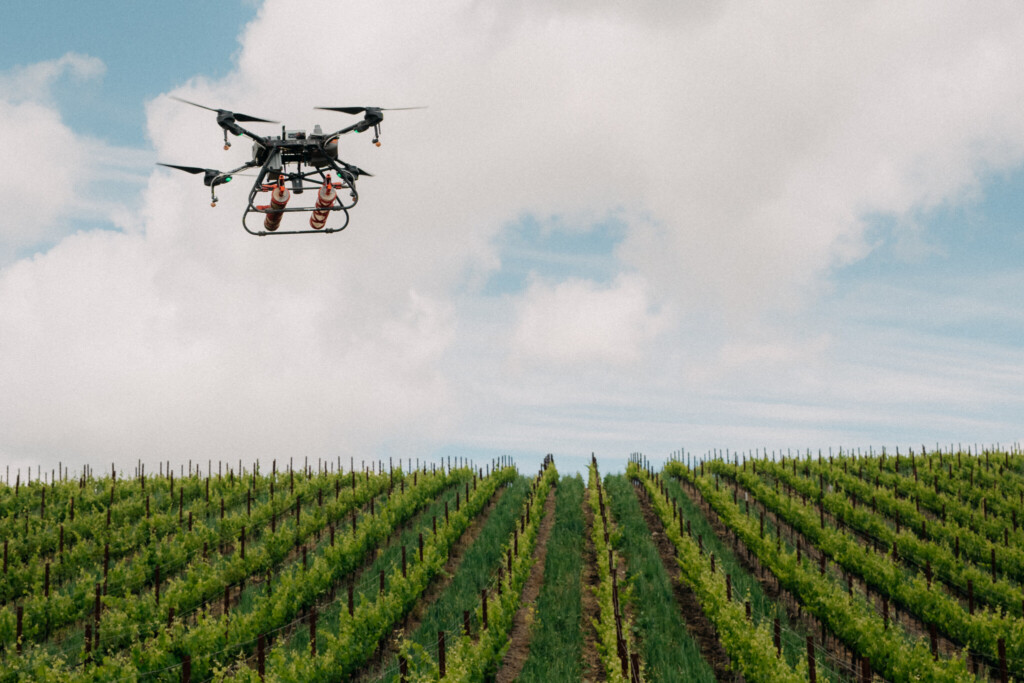
How Regenerative Farming Changes the Vineyard
The most profound shift described by these wineries is not financial or operational. It is philosophical. Regenerative organic farming changes how growers define success.
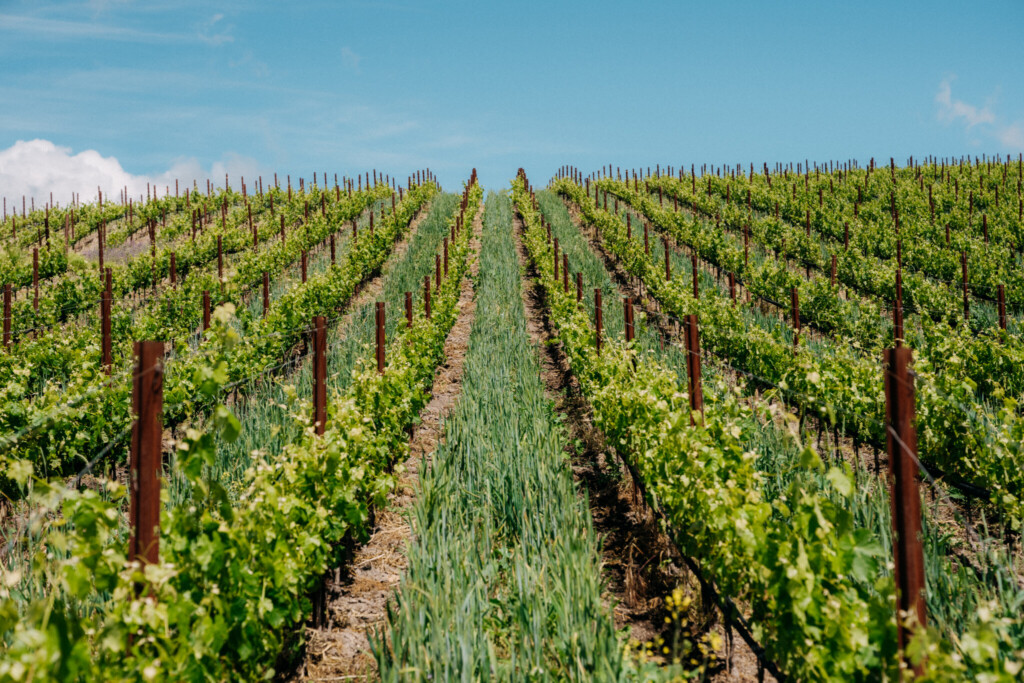
Farming for the Future
Regardless of size, history, or farming style, each of the six wineries describes ROC farming as an act of stewardship and an acknowledgement that success is measured not only by yields but by the long-term health and resilience of the land.
The goal extends far beyond the next vintage. For these growers, regenerative organic farming represents a shift in responsibility, from maintaining the land to rebuilding it, and from short-term efficiency to long-term stewardship. They are farming like the world depends on it.
To read the details of each winery, read the full article in The Vintner Project.
Discover more from Please The Palate
Subscribe to get the latest posts sent to your email.