

04 Aug Do You Really Need a Different Wine Glass for Every Wine? One Gabriel-Glas Does It All.
If you Google the question, “Does the wine glass really matter?” you’ll quickly find that the answer is yes.
Most experts agree that the shape of a wine glass affects how a wine tastes and smells. The bowl, the opening, and even the thickness of the rim influence how aromas are released, how the wine hits your palate, and ultimately how you experience it.
You’ll also find recommendations like these:
• Red wines belong in large, wide bowls to encourage aeration and soften tannins.
• White wines are best in smaller bowls that preserve delicate aromas and keep the wine cooler.
• Sparkling wines should be served in flutes or tulip-shaped glasses that preserve bubbles while directing aromas toward your nose.
The advice makes sense. But it also creates another question: Do you really need a different glass for every style of wine?
For someone just beginning their wine journey, the recommendation is usually to buy a good all-purpose glass. That advice avoids overcomplicating things and keeps costs down.
But I’ve always wondered why that recommendation should change as your wine knowledge grows. As someone who tastes wine professionally, I have accumulated far more wine glasses than I care to admit. My cabinets are overflowing with varietal-specific glasses collected from wineries, tastings, and manufacturers over the years. Burgundy glasses. Bordeaux glasses. Champagne glasses. White wine glasses. Universal glasses. You name it.
Ironically, despite having all of those options, I find myself reaching for the same couple of glasses every time – one for Pinot Noir and another for almost everything else.
Then I discovered Gabriel-Glas.
Their philosophy is refreshingly simple: one wine glass for all wines.
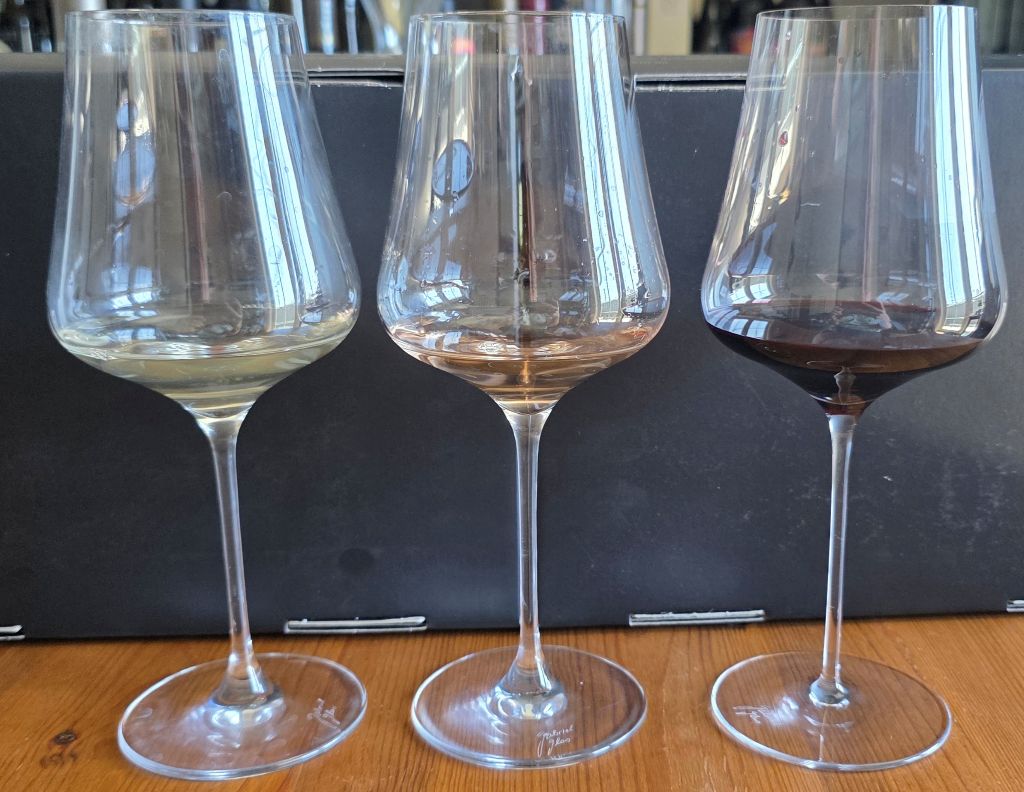
Not an all-purpose glass that’s simply “good enough,” but a glass intentionally designed to showcase red, white, rosé, sparkling wine, and even sweet wines equally well.
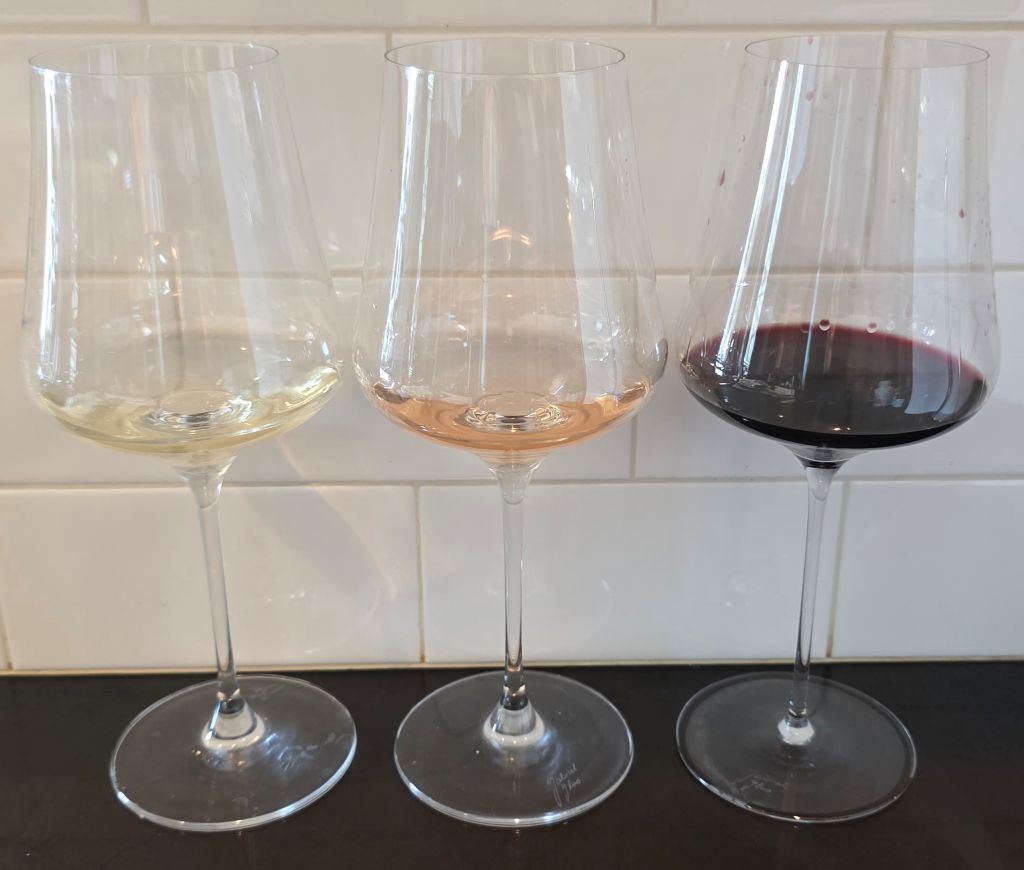
After using it for months with everything from Champagne, Albariño, Chardonnay, and rosé to Pinot Noir, Cinsault, Carignane, and Syrah, it has become the glass I reach for every single time. The design explains why. The bowl begins with a broad diameter before narrowing into a gentle conical shape that encourages aromas to develop while directing the bouquet toward your nose. Instead of emphasizing one particular style of wine, the proportions were carefully developed to complement virtually every style.
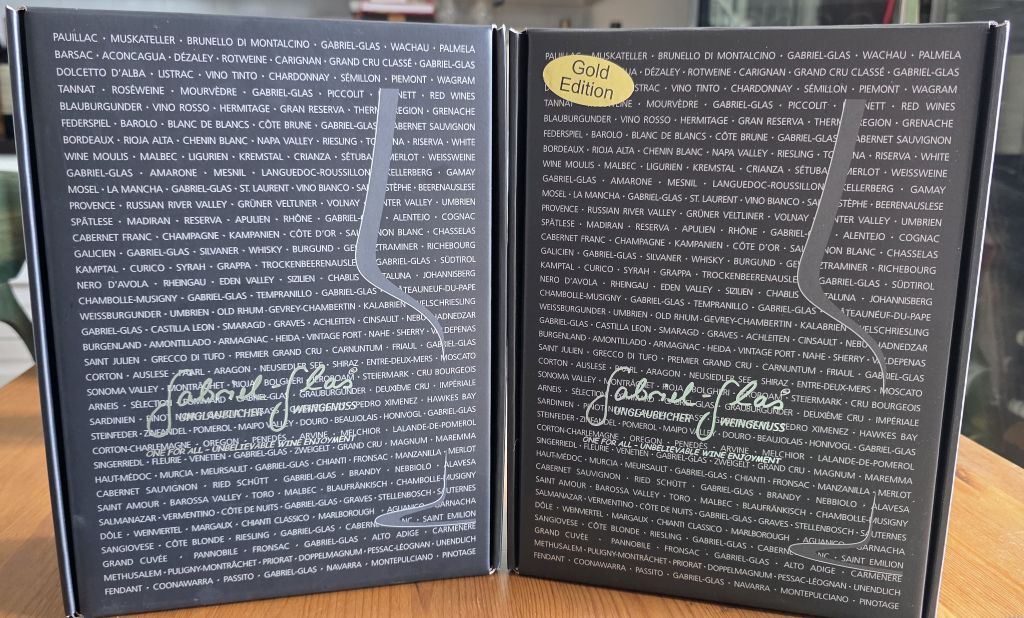
Gabriel-Glas is available in two versions that share the same iconic shape and proportions. The StandArt, a machine-blown crystal glass, retails for approximately $36 and offers the same universal design for everyday use. The Gold Edition, a handmade, mouth-blown crystal glass, retails for approximately $99. While both glasses look virtually identical and perform the same in terms of shape and aroma delivery, the Gold Edition is lighter and more delicate in the hand, offering an elevated tactile experience for those who appreciate fine stemware.
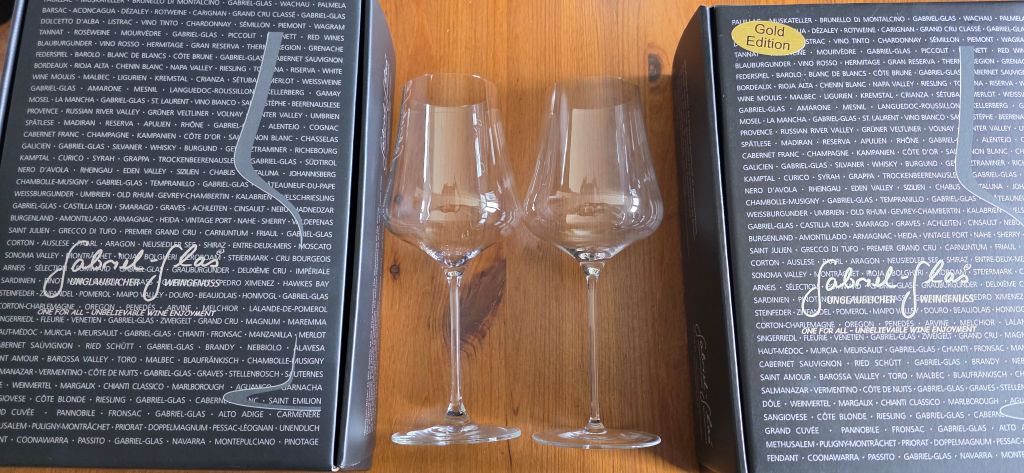
The rim of the glass is laser-cut and diamond polished, making it exceptionally thin while remaining resistant to chipping. Each glass is crafted from a single piece of molten crystal, with the bowl, stem, and foot formed without seams, joints, or glue. The crystal itself is produced from carefully sourced low-iron sand blended with proprietary metals and purifiers that increase both clarity and strength. And perhaps one of the best features: they are dishwasher-safe. Gabriel-Glas states that the glasses have been tested through more than 1,000 dishwasher cycles while maintaining their brilliance and clarity.
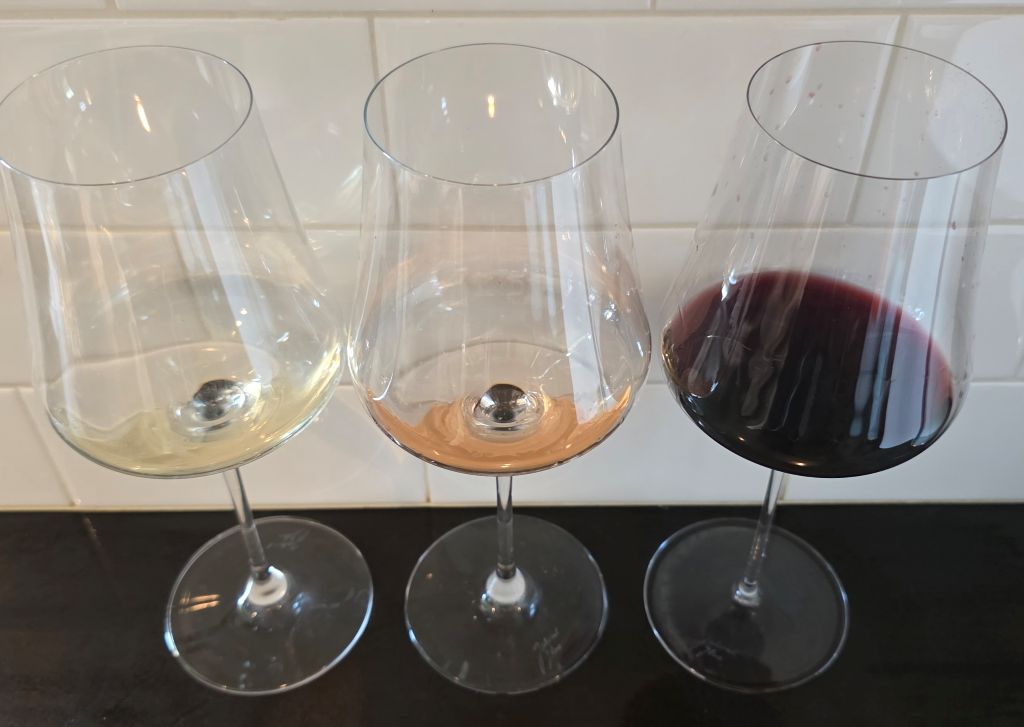
Gabriel-Glas is an Austrian company founded in 2010 by Swiss wine critic René Gabriel, author of the influential Weinbibel. After decades of evaluating wines, Gabriel became frustrated by the endless collection of grape-specific glasses that promised a better tasting experience for one variety while requiring another glass for the next. He believed a single glass could be designed to flatter every wine. The iconic silhouette, a gently curved, slightly conical bowl inspired by the unfurling shape of a rose, was the result. Every proportion, from the opening to the widest point of the bowl, was researched to maximize aroma expression and overall wine enjoyment.
My cabinets are still full of specialty stemware, but I no longer have to think about which glass to use. Instead, I simply reach for the Gabriel-Glas because it truly lives up to its promise of being “the one wine glass for all.”
Discover more from Please The Palate
Subscribe to get the latest posts sent to your email.