


23 Dec When Nebbiolo Speaks: What Blind Tasting Revealed About Place
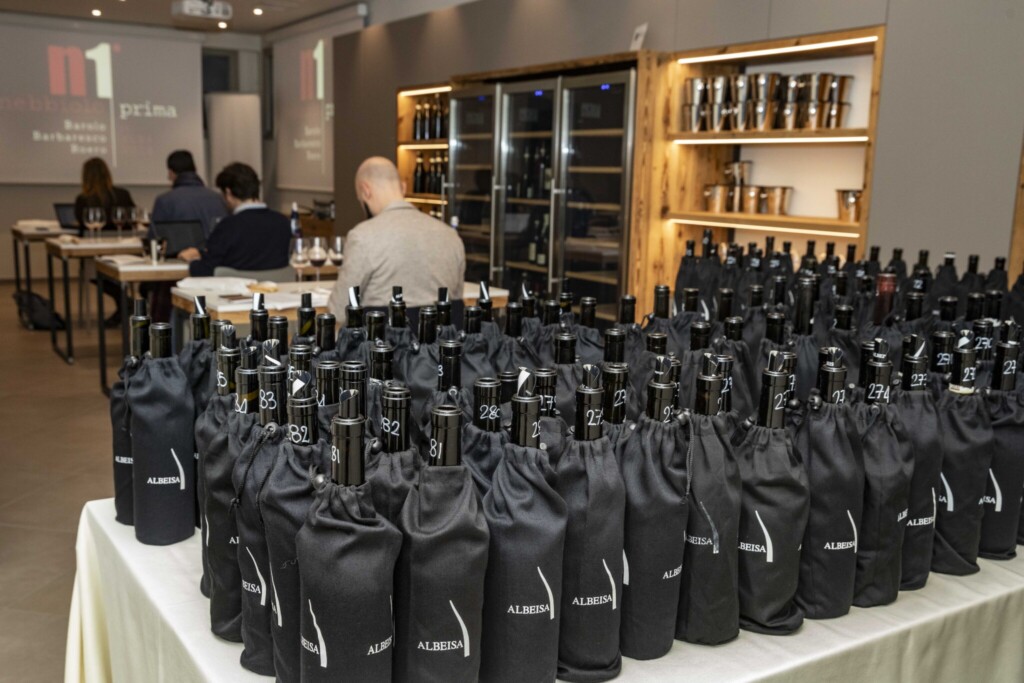
By the second day of blind tasting, I had found a rhythm to tasting the wines. Five wines were poured at a time. We knew the vintage and the region. I tried not to pay attention to anything other than what was in the glass. I swirled the wine. I smelled the wine and wrote down what I smelled. I tasted the wine. I swirled it around my mouth and spat. I lingered for a moment, feeling the wine. I then wrote down how it tasted, noting the level of tannin, acidity, and alcohol.
Slowly, I began to see patterns. But I did not pay any attention until I was finished on day 3. After tasting all of the wines blind, I was able to analyze my notes and draw the following conclusions:
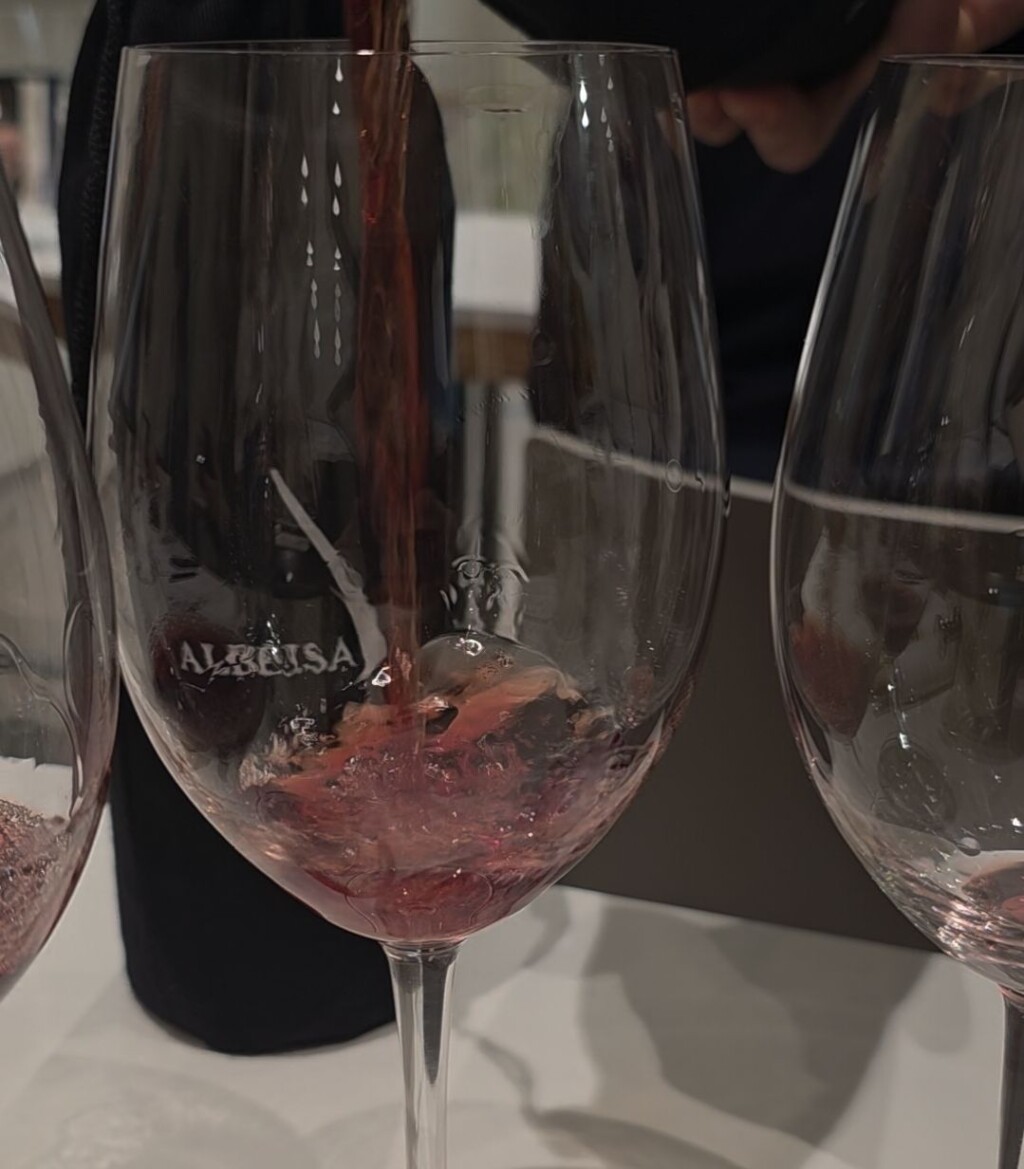
Roero: Aromatic Lift and Early Expression
Roero often announced itself before the palate even caught up. These wines led with aromatics, florals first, then red fruit, followed by a lighter, more agile structure. Tannins were present, but finer, often described as sandy rather than gripping. Recurring impressions included aromas of violets and roses, red cherry and kirsch, and light spice and herbal lift with finer, more approachable tannins.
Roero wines were often among the most immediately expressive in the room. They invited engagement. In blind context, Roero repeatedly delivered clarity and pleasure without sacrificing Nebbiolo’s identity.
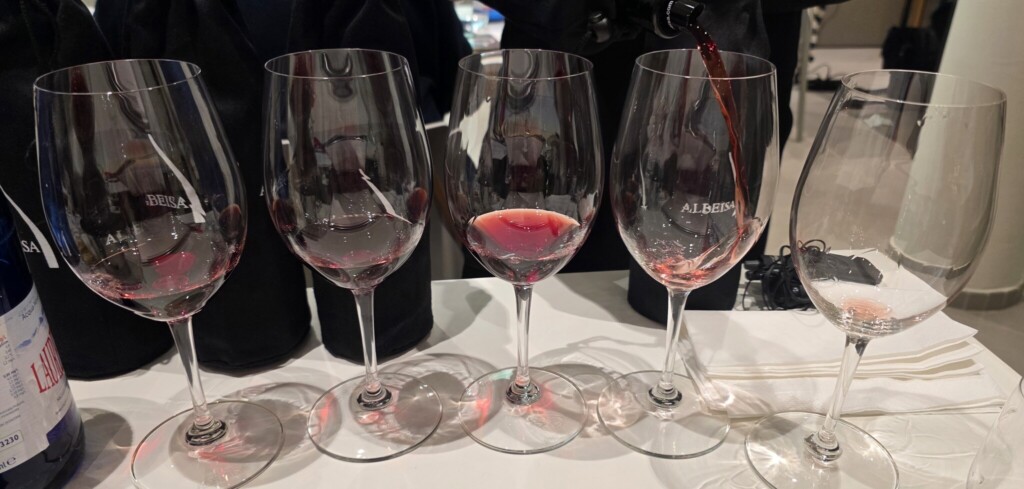
Barbaresco: Balance, Precision, and Transparency
Barbaresco revealed itself through balance. These wines consistently showed high acidity paired with refined tannins, offering structure without severity. Aromatics were precise rather than exuberant with notes of dried roses, red fruit, black tea and often with a savory undertone.
As the tasting progressed, some wines showed firmer structure and darker profiles; others leaned softer, more accessible, and gently expressive. Yet across the category, a sense of harmony persisted. Barbaresco didn’t try to dominate the palate. It explained itself quietly and confidently.
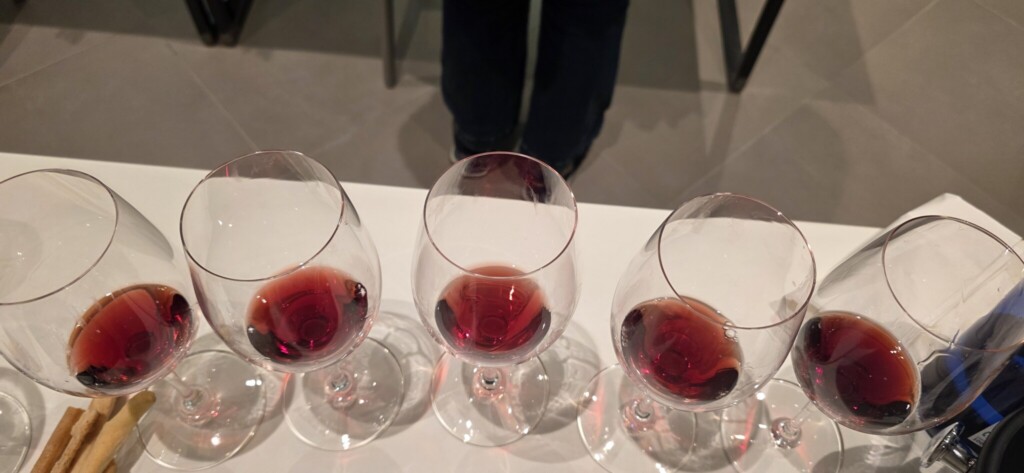
Barolo: Structure First, Story Later
Barolo made itself known through structure. These wines entered the palate with authority. Tannins were firm, often grippy. Acidity provided length and tension. Aromatics, when they emerged, often followed rather than led. Recurring impressions were aromas of tar, dried herbs, and sour and dark cherry with mouth-coating tannins and long, linear finishes.
Some wines felt severe in youth, built more for time than immediate charm. Others offered brief moments of aromatic lift before returning to structure. But, Barolo is not a single expression of Nebbiolo. Commune differences surfaced through texture rather than aroma with some wines broader and more powerful, others darker and more reserved, others lifted and quietly expressive.
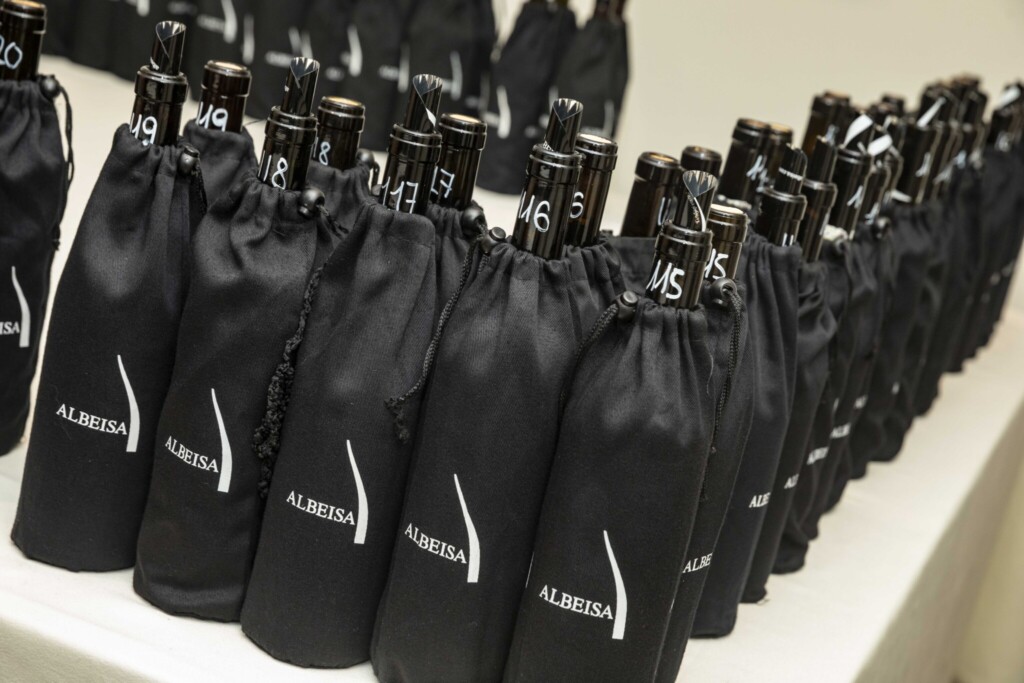
Barolo (Comune): Power with Definition
Wines from the commune of Barolo consistently showed density and authority. Acidity sat high and firm, and tannins often reached the upper end of the spectrum – structured, persistent, and mouth-coating. These wines felt built around a strong core, with less immediate softness than some neighboring communes. Aromatics often arrived later, after structure had already established control.
Blind impression: Structured, serious, and unapologetic
Castiglione Falletto: Structure in Focus
Castiglione Falletto showed some of the most assertive tannins in the tasting. These wines often felt compact and concentrated, with firmness that framed everything else. Acidity was present but secondary to tannin, giving these wines a slightly more muscular profile. Even blind, there was a sense of precision and density that distinguished them from broader or more aromatic expressions.
Blind impression: Intensity and grip, with a feeling of compression rather than openness.
Monforte d’Alba: Darker, More Grounded
Monforte d’Alba wines tended toward a darker, more grounded expression. Structure was undeniable, but it arrived with less aromatic flourish and more linear force. These wines often felt serious and reserved. The palate experience leaned toward depth and persistence rather than lift.
Blind impression: Quietly powerful wines that don’t reveal themselves quickly, but linger long after.
Serralunga d’Alba: Severity with Purpose
Serralunga d’Alba often came across as austere in youth. Tannins were firm and sometimes angular, acidity present but tightly wound. These wines rarely offered immediate generosity. Instead, they conveyed tension and a sense of structure still knitting together. These wines felt uncompromising, built for longevity rather than charm.
Blind impression: Not immediately friendly, but unmistakably serious. These wines need time.
La Morra: Lift and Approachability
La Morra consistently offered more aromatic relief within the Barolo context. While structure was still present, tannins often felt slightly less severe, allowing floral and red-fruited notes to emerge earlier. These wines tended to feel broader and more accessible on the palate, without losing Nebbiolo’s essential backbone.
Blind impression: Structure with generosity, these wines need time but can be enjoyed sooner.
Verduno: The Quiet Outlier
Verduno stood apart subtly. These wines often showed lighter tannic pressure and a greater sense of lift. Acidity remained present, but the overall impression was one of elegance rather than force. Verduno wines felt less about power and more about finesse.
Blind impression: Graceful and restrained, offering nuance over dominance.
What Emerged Across Three Days of Blind Tasting
Structure followed a clear hierarchy: Roero leaned lighter and more open; Barbaresco balanced tension and accessibility; Barolo delivered power and longevity. Barolo is architecture; Barbaresco is choreography; Roero is poetry.
Soils spoke: Sandy sites drained quickly and softened tannins. Clay and silt held water, building density and grip. Microclimates, subtle shifts in elevation, exposure, and airflow, shaped nuance within each appellation.
Vintages spoke: 2020 emphasizes balance and composure; 2021 delivers classic structure and clarity; 2022 leans into power and density; and 2023 offers freshness and elegance.
Blind tasting stripped away distraction and left behind what mattered most: how Nebbiolo reflects the soil, climate, place, and time.
Discover more from Please The Palate
Subscribe to get the latest posts sent to your email.