


25 Nov Moscato d’Asti: Think You Know It? Think Again.
What do you think of when you hear the words Moscato d’Asti? Do you think: Sweet? Simple? Low alcohol? Not Your Thing? Well, you may think you already know it or may not think you like it, but after spending a week in Piemonte with the Consorzio Asti DOCG, I was reminded that most stereotypes barely scratch the surface of what this wine actually is. Moscato d’Asti may be lightly sweet and gently sparkling, but it is also historic, terroir-driven, age worthy, and far more gastronomic and versatile than its reputation suggests.

Understanding Asti DOCG
Moscato d’Asti and Asti Spumante are made from Moscato Bianco, one of Piemonte’s oldest and most aromatic grape varieties, grown in Langhe, Roero, and Monferrato. It is strictly regulated to ensure quality and protect identity. The alcohol level is around 5% for Moscato d’Asti and 11% for Asti Spumante.
Asti became a DOCG in 1993. The Consorzio of Asti (founded in 1932) takes care of protecting and promoting the following: Asti DOCG, Strevi DOC and Canelli DOCG, which became a DOCG in 2023. Under Asti DOCG, the regulation allows Vendemmia Tardiva for Moscato d’Asti and Metodo Classico for the Asti Spumante. Under Canelli DOCG, originally a subzone of Asti DOCG, the grapes must be hand harvested and must come from vineyards with an elevation of at least 500 meters.
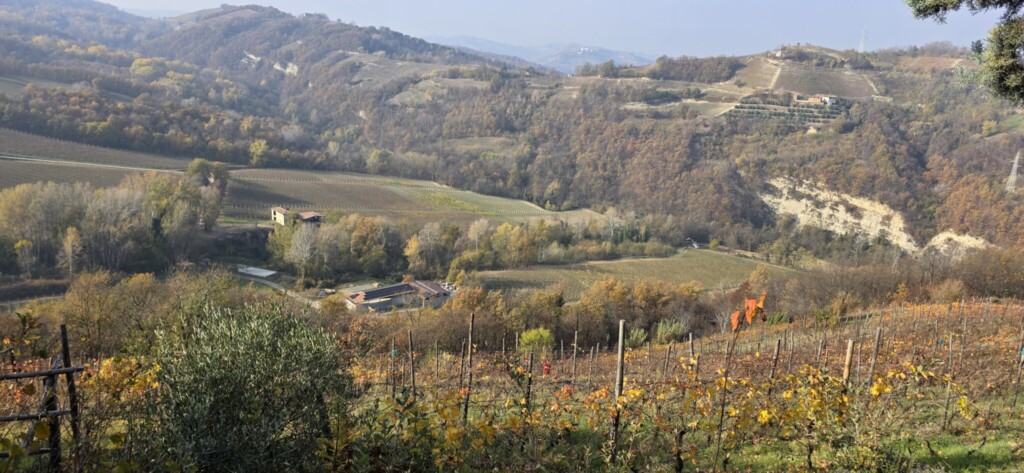
A Long Sparkling Tradition
The very first sparkling wine in Italy was produced in Piemonte in 1865. Carlo Gancia returned to Canelli after studying in Champagne, and applied the Metodo Classico (secondary fermentation in bottle) to Moscato Bianco. The result was the ancestor of today’s Asti Spumante.
In 1898, Federico Martinotti, an oenologist from Villanova Monferrato, invented a new technique using pressurized tanks. The Martinotti method (or Charmat method) made Moscato-based sparkling wines easier and more affordable to produce, opening the door for broader production and the development of Moscato d’Asti.
Producers Who Preserve Tradition
Today, most Asti Spumante is made via the Charmat method, but a handful of producers continue to make Metodo Classico Asti Spumante, a rare and fascinating expression of the grape.
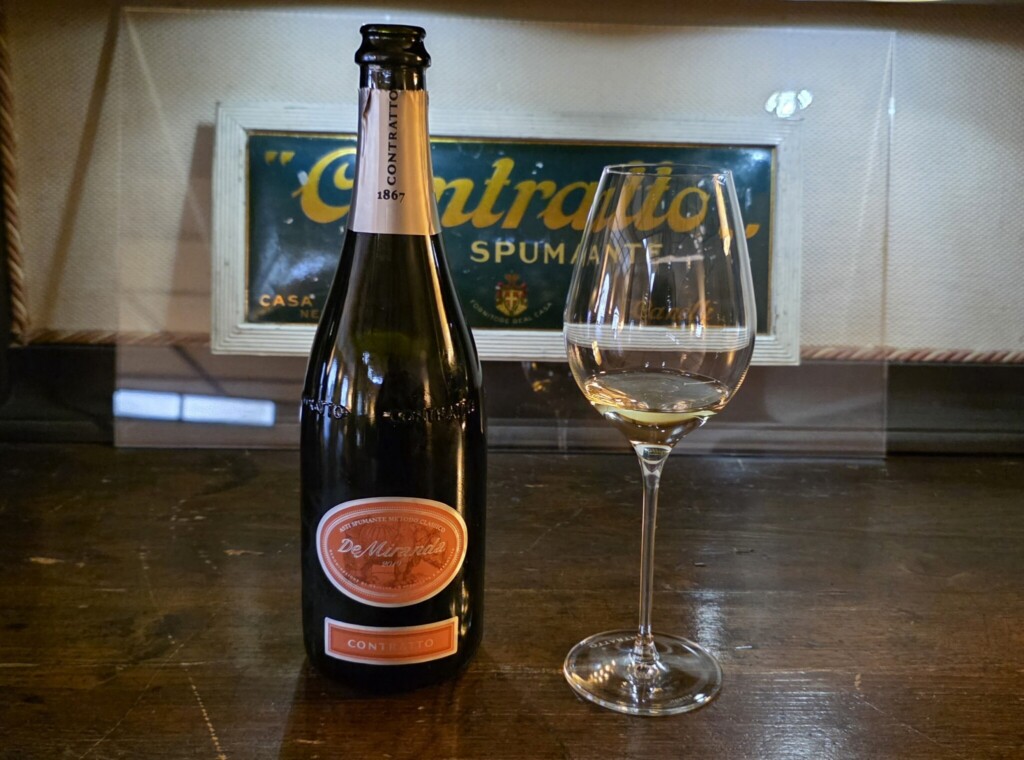
Contratto (La Spinetta)
The Rivetti family, known for La Spinetta, took over the historic Contratto winery in 2011. Founded in 1867 by Giuseppe Contratto, the cellar is one of the oldest dedicated to sparkling wine in Italy. While Alta Langa DOCG is their primary focus today, they maintain Moscato’s heritage with both Charmat and Metodo Classico wines. Their Metodo Classico Asti Spumante, aged 30 months on lees, no dosage, and showing 105–125 g/L residual sugar, offers notes of dried sage, geranium, dried citrus, and blood orange, carried by surprising acidity and richness.
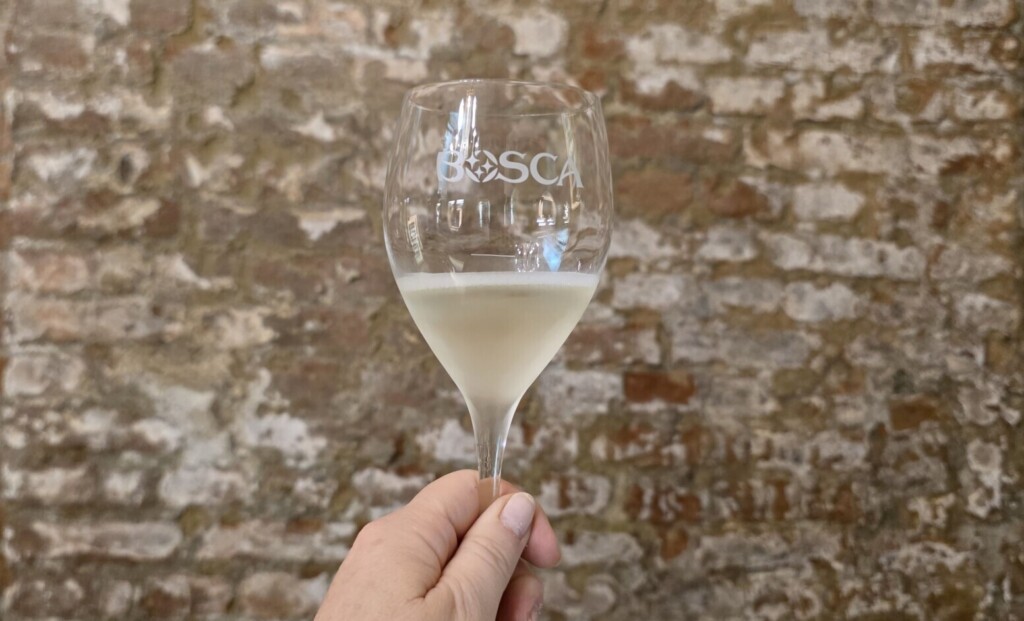
Bosca
Owned by the same family since 1909, Bosca is part of the region’s UNESCO World Heritage designation. Carlo Bosca was once known as “Mr. Moscato,” and today his family continues to embody that legacy. Inside their historic cellars, Franco, their riddler for 40 years, still turns the sparkling wine bottles by hand, 5,000 bottles per hour, with 35,000 bottles resting at any given time.
Moscato d’Asti Can Age – Yes, Really!

While visiting Forteto della Luja, the only winery in Piemonte that is within a protected World Wildlife Foundation area, we tasted the 2025 Moscato d’Asti. This new bottling was from the current harvest, just picked two months prior and showed honeysuckle, dried apricot, fig, and a sweet–bitter tension that added depth.

But at one of our lunches, we enjoyed the Ca’ d’Gal 2022 “S. Ilario” made from 70-year-old vines in Cassinasco. Produced with a single Charmat fermentation and bottled after spring, this wine was deep yellow, complex, and elegant. Peach, apricot, florals, and sage layered over vibrant acidity. It was both sweet and light, gastronomic and textured, and capable of aging another 10–15 years.
Not All Asti DOCG Are Sweet
Moscato d’Asti will have approximately 80 g/l of residual sugar, whereas Asti Spumante can range from zero dosage to sweet.
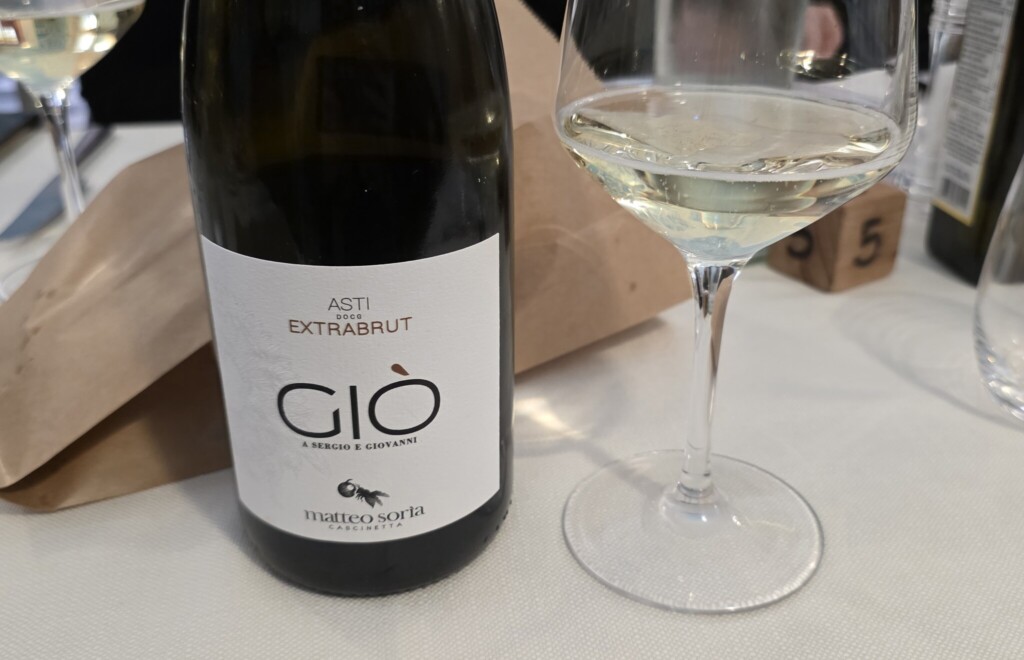
The Matteo Soria Giò Asti DOCG Extra Brut offers notes of pear, pineapple, and white flowers. It is fresh and crisp with a bone dry finish.
Not Just for Dessert: Pairing Possibilities
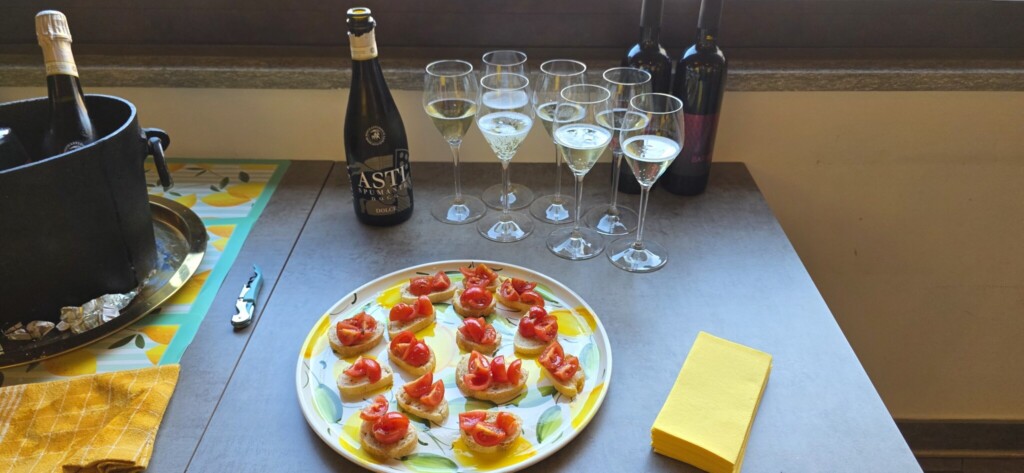
Another misconception is that Moscato d’Asti and Asti Spumante are only for dessert. Of course, it is a great pairing with pastries and fruit tarts, but Moscato d’Asti and Asti Spumante can be enjoyed with oysters, raw fish, spicy dishes, salty snacks, brunch classics, and aged cheeses. The acidity, aromatics, and low alcohol make Moscato d’Asti and Asti Spumante unexpectedly versatile.
Moscato in Cocktails

Moscato’s aromatics and low alcohol make it an ideal mixer in cocktails. It adds freshness, floral notes, and liveliness.

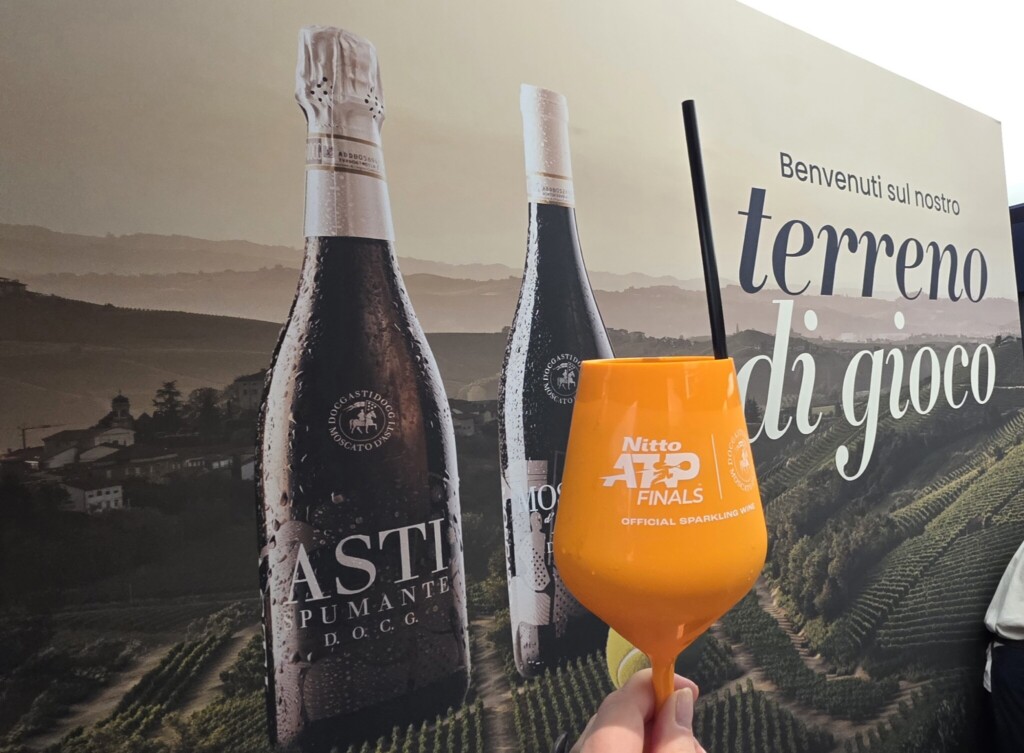
Attending the inauguration of the Enoteca Regionale Colline Moscato in Mango, we sampled several Moscato-based cocktails, and then even more in Torino at the Nitto ATP Finals where Asti DOCG was a sponsor.
Moscato Zen – a Moscato twist on a Moscow Mule with gin, elderflower, and lime

Asti Gold – Asti Spumante DOCG Dry, Vermouth bianco, bitters
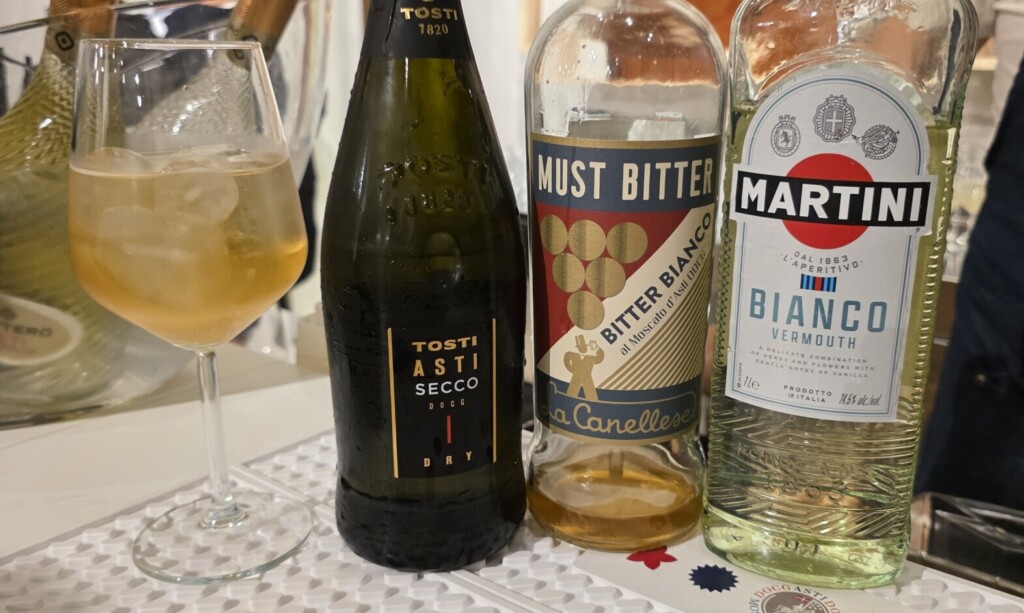
Asti Signature – Asti Spumante DOCG, fresh basil, red grapefruit, and Sichuan pepper
Moschijto – Moscato d’Asti DOCG, rum, lime, and mint
A Wine With History, Versatility, and Personality
Spending a week in the heart of Moscato country added depth to my understanding of this wine. It is historic yet modern, sweet yet structured, approachable yet complex. It is tied deeply to its landscape, its methods, and its people. It can be refreshing, contemplative, or playful. It can be sipped with dessert, enjoyed with seafood, mixed in a cocktail, or savored courtside at a tennis match.

Most importantly, it is a wine that deserves to be enjoyed by all! So, the next time you hear Moscato d’Asti or Asti Spumante, think beyond the words “sweet” or “simple”. Think hills, altitude, heritage, age-ability, food, craft, and culture. Take a sip and enjoy this wine that is far more than meets the eye.
Discover more from Please The Palate
Subscribe to get the latest posts sent to your email.