

16 Sep Legends and Icons: The Families and Pioneers Who Shaped Sonoma Wine
The wine regions in California were not born from convenience, privilege, or accident. They were carved out by people with hard work, grit, and the hope that their dreams might take root in the soil. Many were farmers first, planting what they knew (apples, hops, prunes, or dairy pastures) before discovering that grapes could also thrive here. Others came from overseas, carrying traditions and resilience from generations before them. Few would have called themselves visionaries at the time, but their determination, their willingness to experiment, and their faith in the land built the foundation for what we now recognize as some of the world’s great wine regions.
In Sonoma County, this heritage lives on through two enduring forces: the families who have farmed its soils for more than a century, and the innovators whose restless curiosity transformed local grapes into globally celebrated wines.

The Century Club
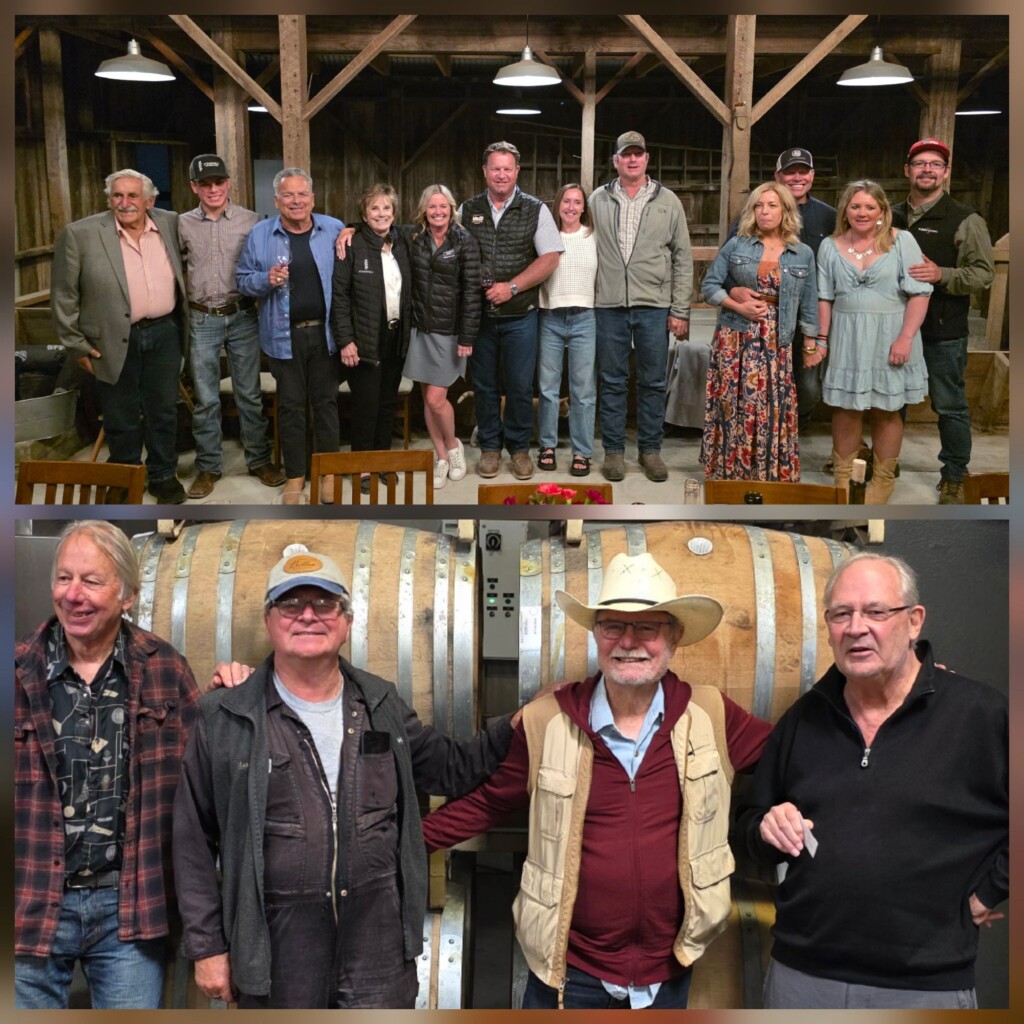
The Century Club is a group of local families who have been farming in Sonoma County for at least 100 years. These multi-generational families reflect the stewardship that shaped Sonoma’s vineyards and culture. Among them is Dutton Ranch, a family operation tracing back five generations. From a modest 35-acre ranch purchased in 1964, the Duttons have expanded to over 1,200 acres, with 300 planted to vines alongside thriving apple orchards. Their journey mirrors Sonoma’s broader transformation from diversified agriculture to world-class viticulture.
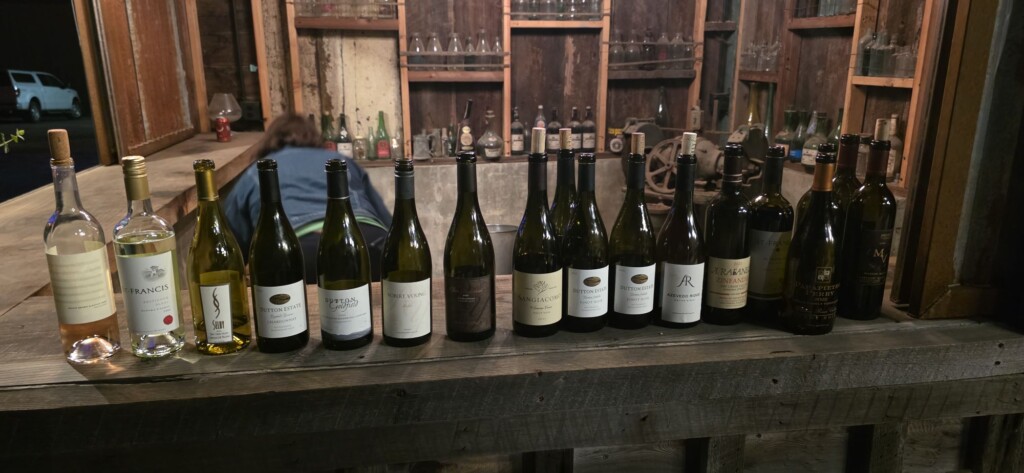
In Alexander Valley, the Munselle family followed a similar path. Once tending hops, prunes, stone fruits, and dairy, they shifted toward grapes by the early 1970s, gradually converting their land into 800 acres, half of which are now vineyards. To the southeast, the Serres family expresses heritage in a personal way, naming every wine after a family member, a reminder that for them, viticulture is inseparable from identity. The Azevedos, with 121 years of agricultural roots in Sonoma, bottle history in the form of their Azevedo Ridge Petite Sirah. With only 100 cases produced, it is as much a family heirloom as it is a wine.
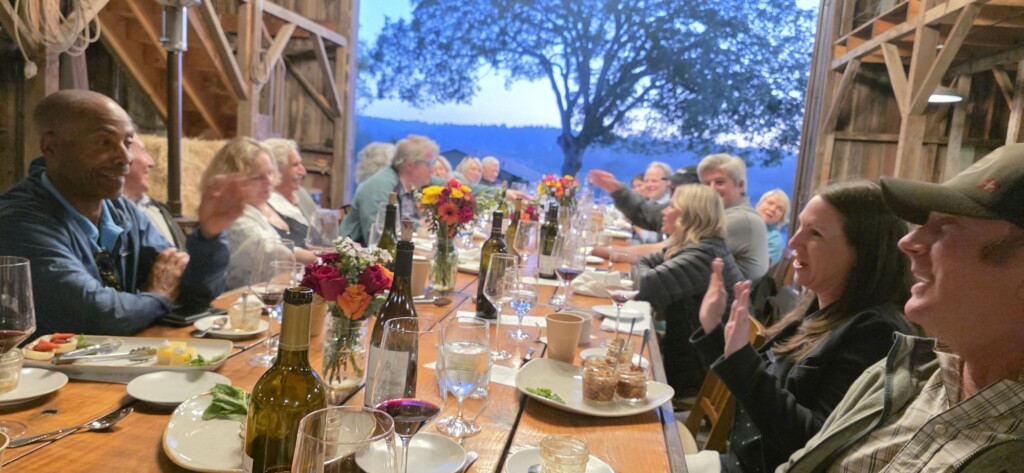
Other names echo through Sonoma’s history: the Rothlisbergers, whose Swiss ancestors began dairy farming 167 years ago; the Rafanellis, whose Tuscan grandmother founded the winery now guided by her fourth-generation granddaughter; and Nik Leras, the son of Greek immigrants, whose sprawling family tree with nine children, 36 grandchildren, 26 great-grandchildren illustrates how deeply immigrant stories shaped Sonoma’s farming culture. Through droughts, market shifts, and even Prohibition, these families endured, adapting practices while preserving the essence of Sonoma’s diverse terroirs.
The Legends
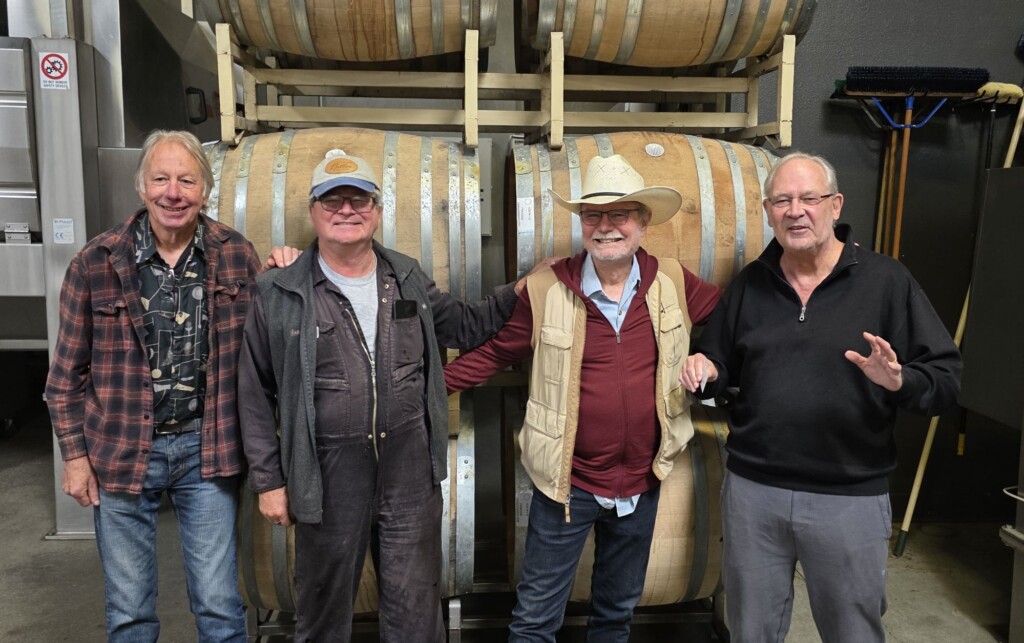
Running parallel to these deep roots are Sonoma’s winemaking legends, the people who reimagined what California wine could be.
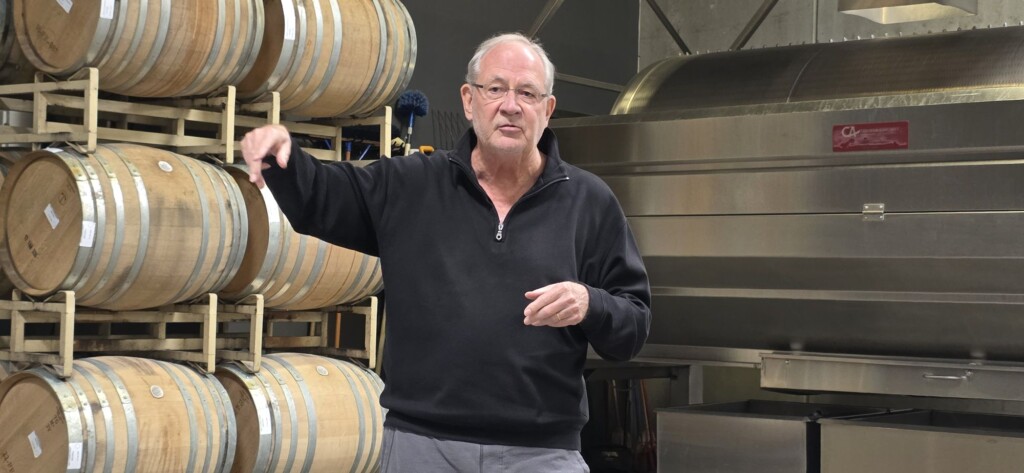
David Ramey, the founder and winemaker at Ramey Wine Cellars, began making wine in 1978. A pioneering vintner, he revolutionized modern-day winemaking, elevating California to the forefront of the international wine community. Hailed as “Professor Chardonnay” by Wine Spectator, his contributions are vast. He was a pioneer in whole-cluster pressing of white grapes, the use of oxidized juice in white winemaking, sur lies aging of white wines in barrel, malolactic fermentation of Chardonnay, native yeast fermentations, and bottling without filtration. He produces age-worthy wines that have texture and balance.
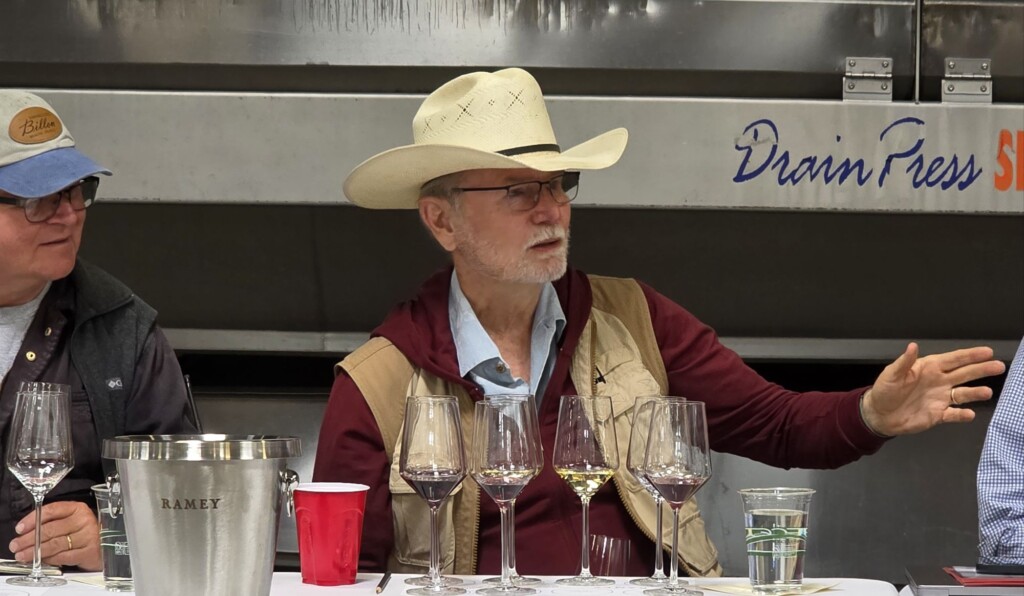
Joel Peterson, once a nuclear physicist, brought the same intensity of curiosity to Zinfandel. Known as the Godfather of Zin, he revived neglected vineyards, crafting Ravenswood wines that remain vibrant decades later. Over his 50 year career, he has saved a number of historic vineyards, many over 100 years old. His approach not only preserved heritage vines but inspired others to value what might have been lost.
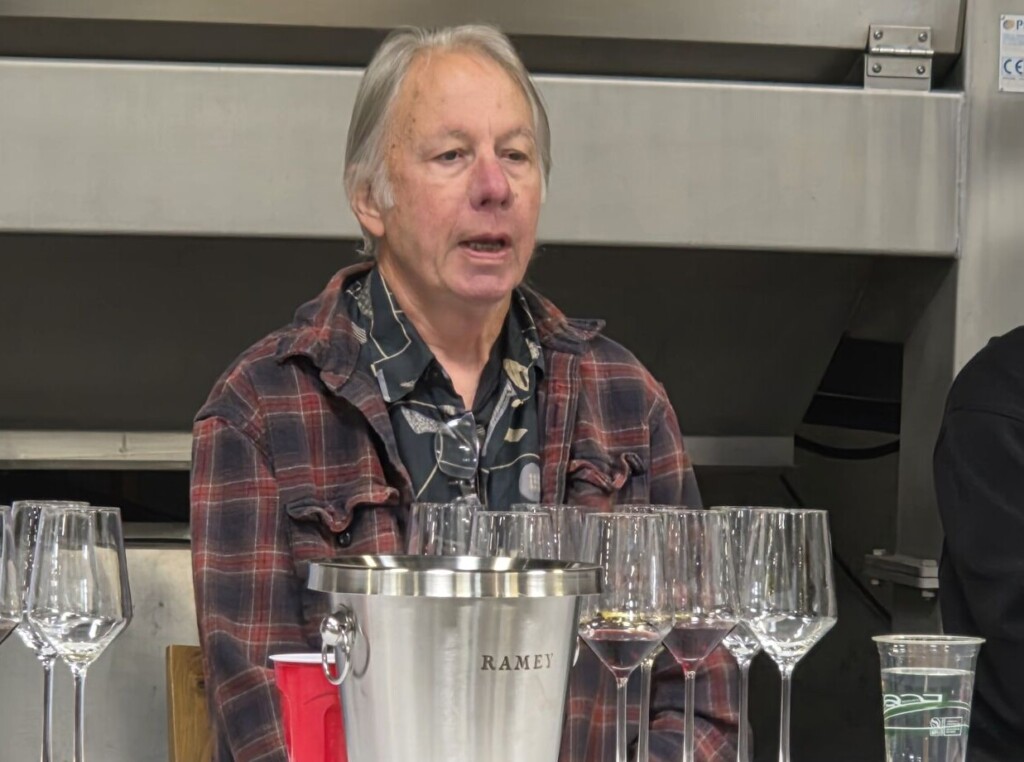
Ron Berglund , mentored by Joseph Swan, carried forward a Pinot Noir legacy that reshaped Sonoma’s reputation, proving its wines could age with elegance and poise.

Greg La Follette, known as the “vine whisperer” and “cellar magician”, always knew he wanted to make wine. A former seminarian and AIDS researcher, he worked under the mentorship of Andre Tchelistcheff. Greg drew on his background in plant biology and chemistry to blend science and passion. He introducing techniques like sur lie aging that deepened wines with freshness and texture. Most importantly, he has built decades-long partnerships with growers across California, exemplifying how important community and collaboration are.
Taken together, these growers and winemakers tell a singular story: Sonoma is not just a region of vines and wines, but a living chronicle of perseverance and imagination. To taste their bottles is to encounter that story firsthand, from the intensity of Azevedo Ridge Petite Sirah, the layered complexity of Ramey’s Zinfandel, the age-worthy beauty of Swan’s Pinot Noir, the balance and freshness of La Follette’s Chardonnay. Each glass is a reminder that Sonoma was built by hands that never gave up and minds that never stopped questioning.
As Greg La Follette reflected, these men and women are the reason Sonoma’s wine story continues to thrive. It is a blend of tradition, innovation, and heartfelt connection.
Discover more from Please The Palate
Subscribe to get the latest posts sent to your email.