

25 Sep Foraging and Cooking at Fattoria La Maliosa in Maremma, Tuscany
From the first time I visited Fattoria La Maliosa in Maremma, I was captivated. A natural winery in the truest sense, La Maliosa is a hub of biodiversity, a place where vineyards, olive groves, and wild nature live in harmony.
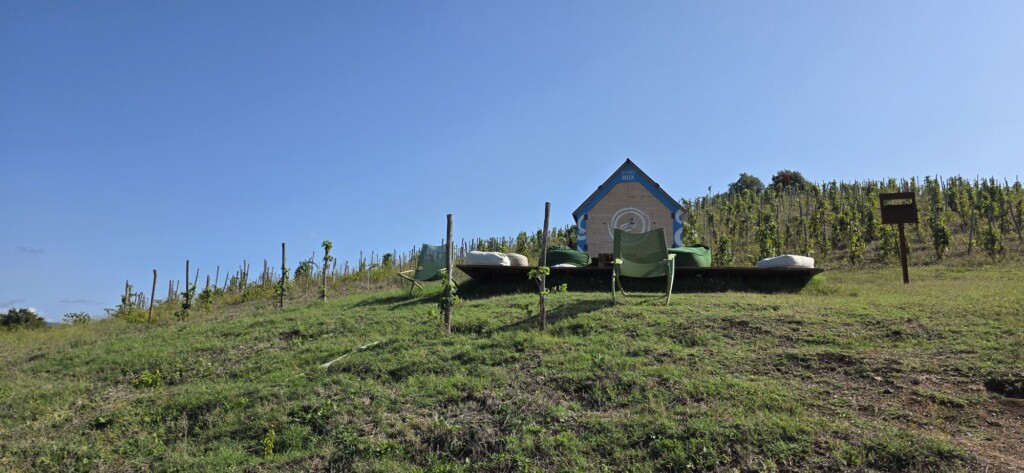
This was my third visit in two years, and each season has shown me something new. In May, when the vines were bare, wildflowers and herbs filled the rows. In November, post-harvest, I learned how biodiversity thrives below the soil. This time, I arrived during harvest, and energy buzzed through the property. Beyond the grapes and olives, La Maliosa offers experiences that connect you with the land, including picnics, horseback riding, e-bike tours, and the experience I did, foraging followed by a cooking class.
A Walk at Fattoria La Maliosa
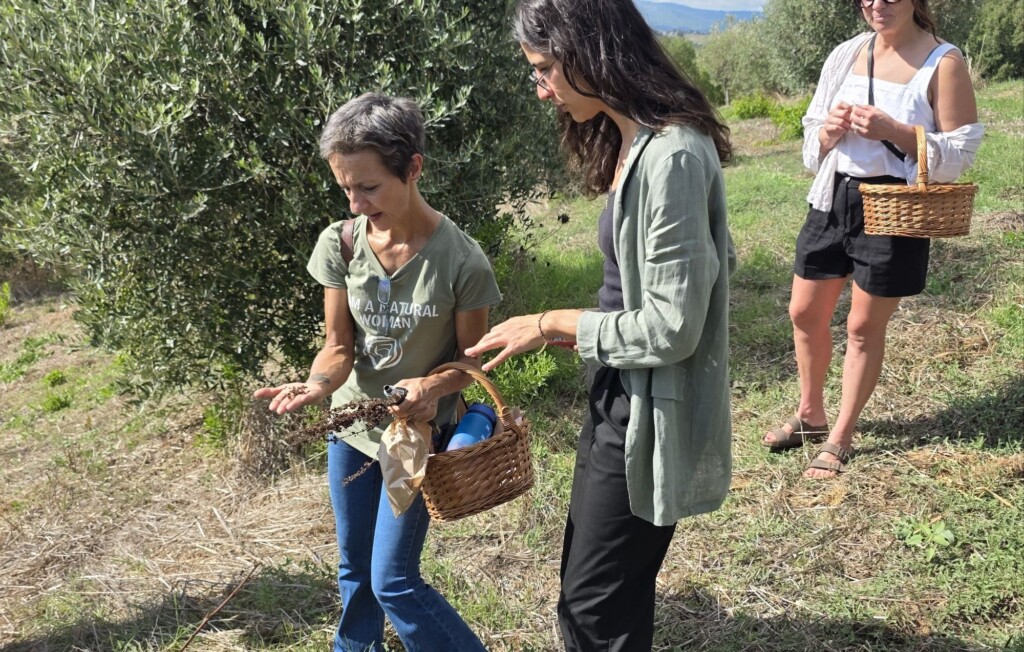
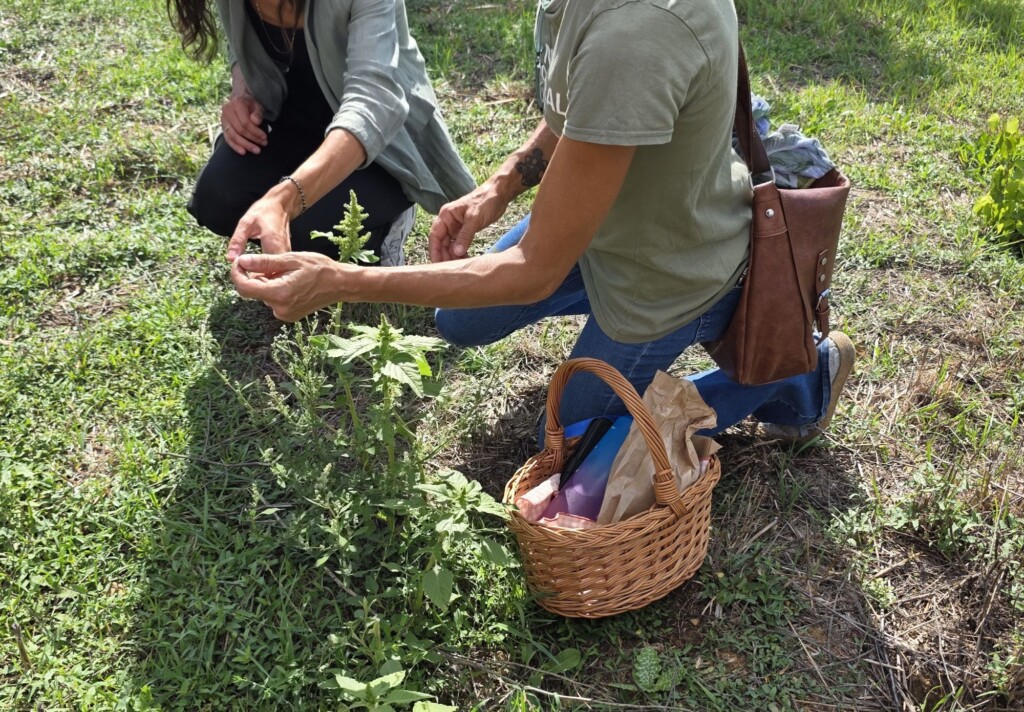
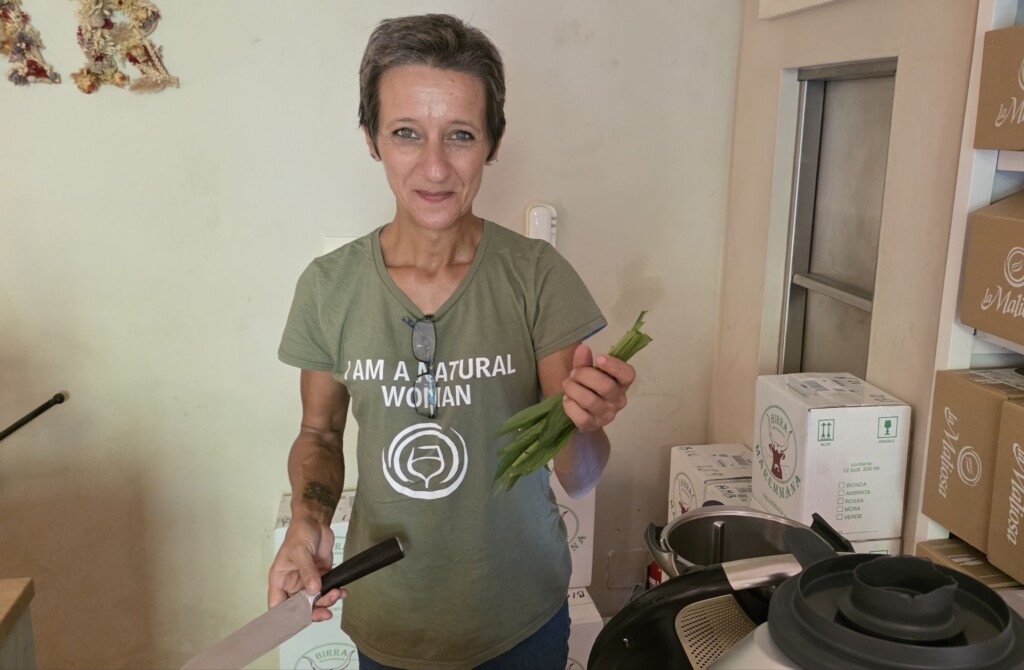
We began just outside the doors of the La Maliosa tasting room. Our guide was Francesca, La Maliosa’s Saturnalia resident cook, who has trained in the study of wild edible plants. As soon as we started walking, she was pointing out all of the edible herbs on the ground. This simple walk through the field became a lesson in the abundance of nature.
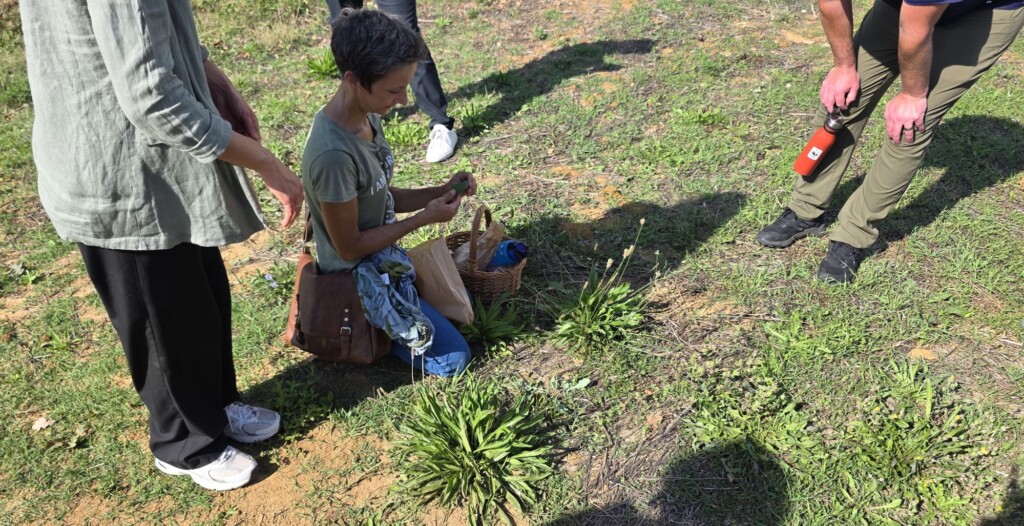
We found an incredible array of wild plants, each with beneficial properties.
Wild carrot – its delicate white flowers close like a bird’s nest when dry, protecting the seeds.
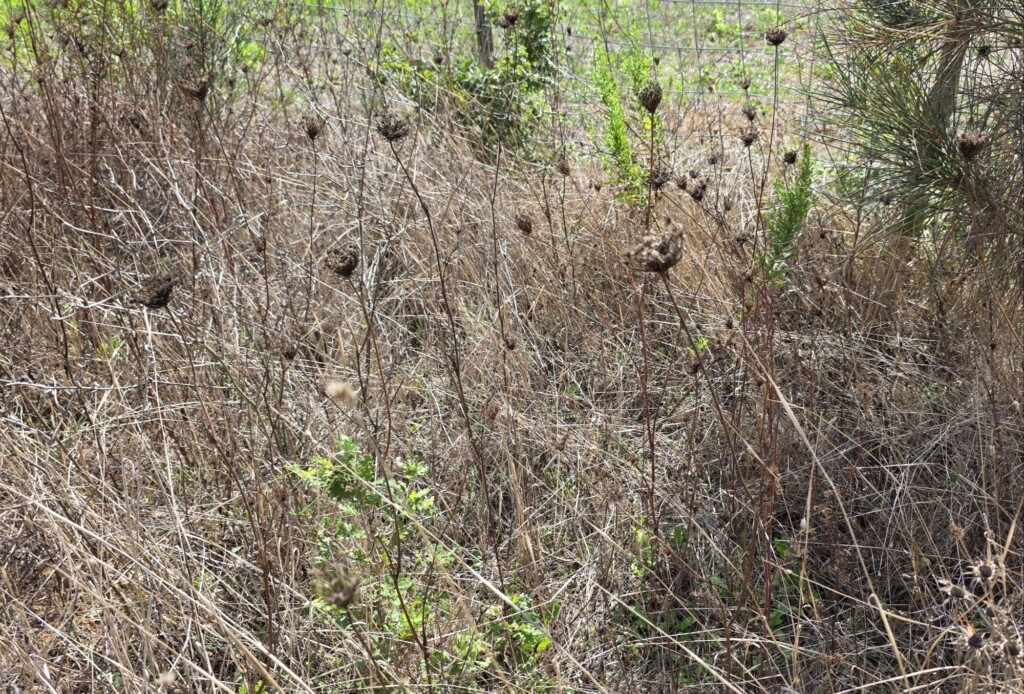
Inula viscosa – once smoked in place of tobacco, sticky to the touch when fresh.
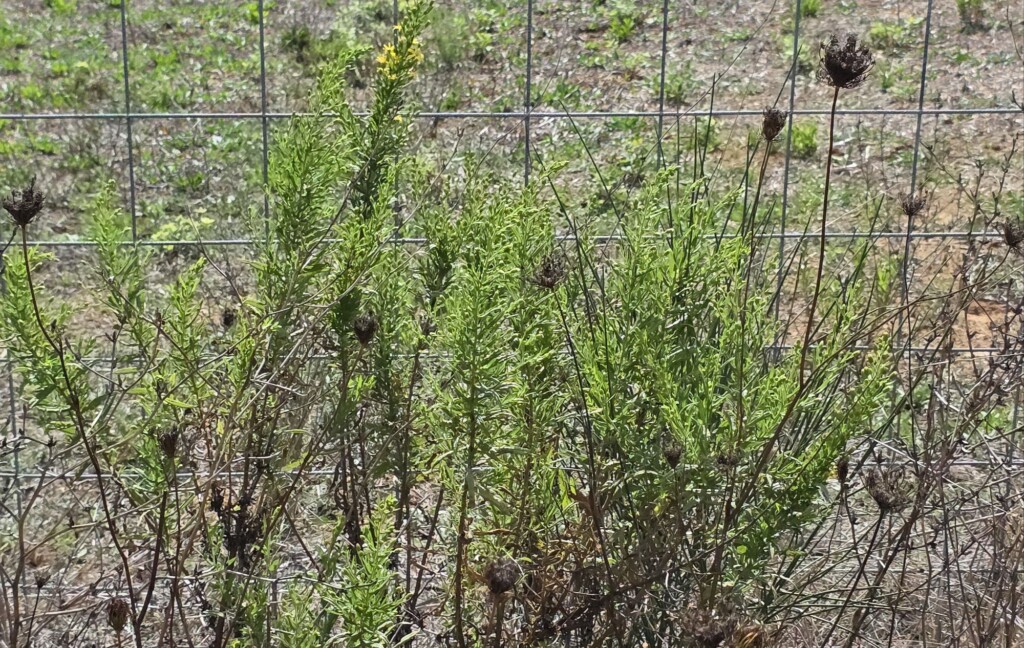
Radicchio leaves – for bitter greens.
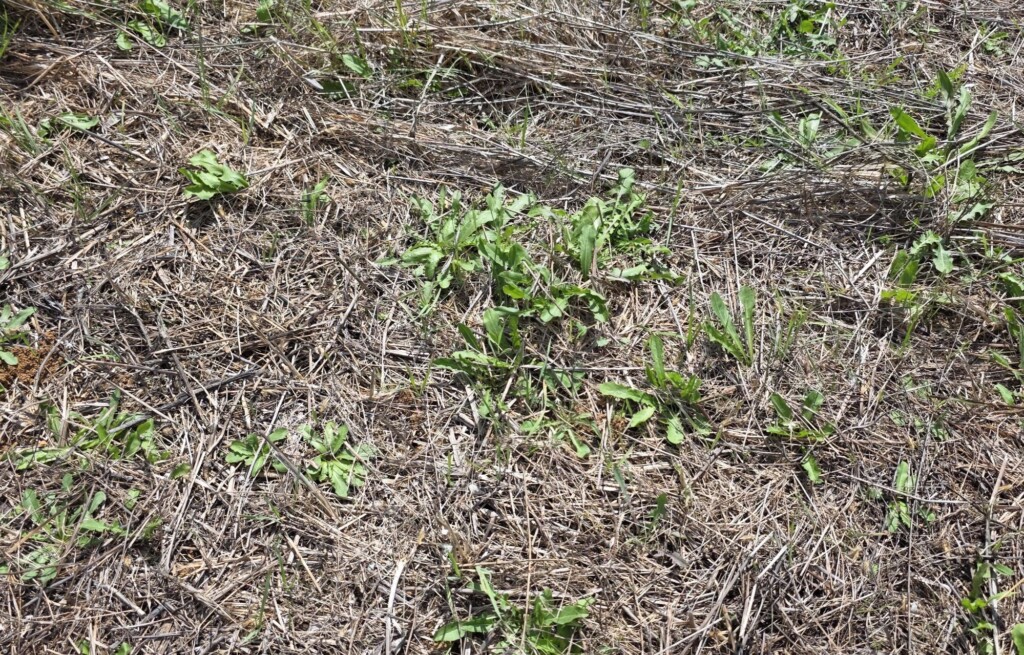
Amaranth – with edible seeds that can be toasted.
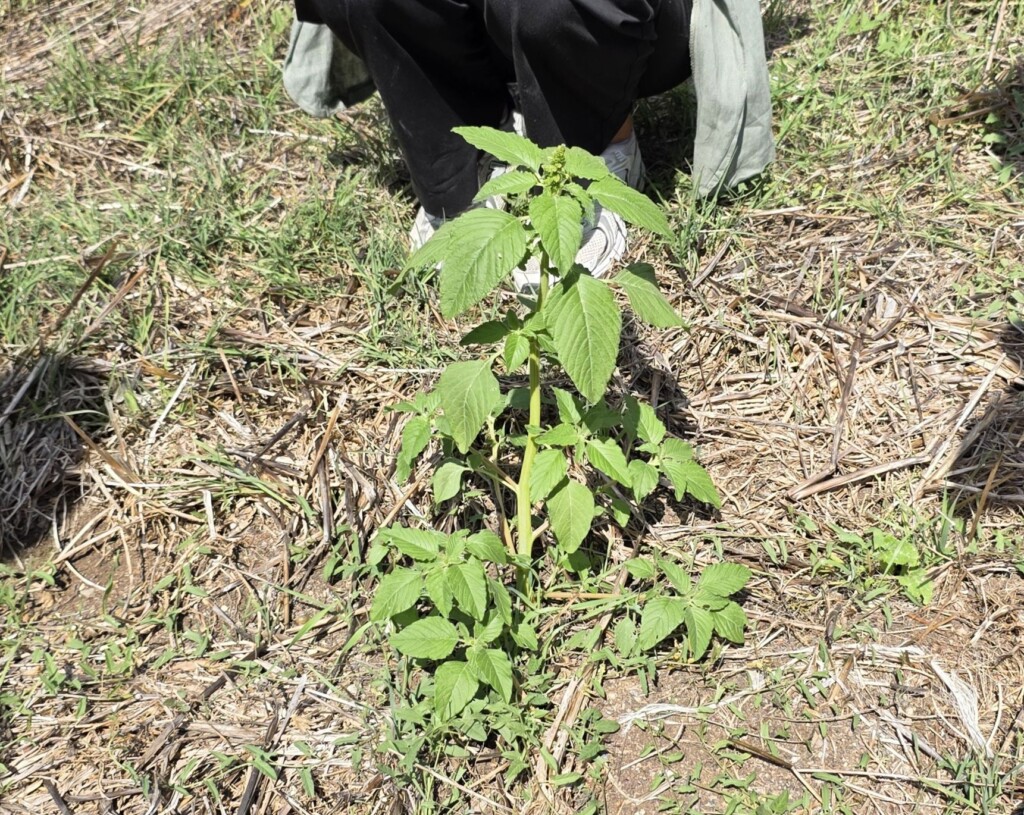
Farinello (lamb’s quarters) – used like quinoa.
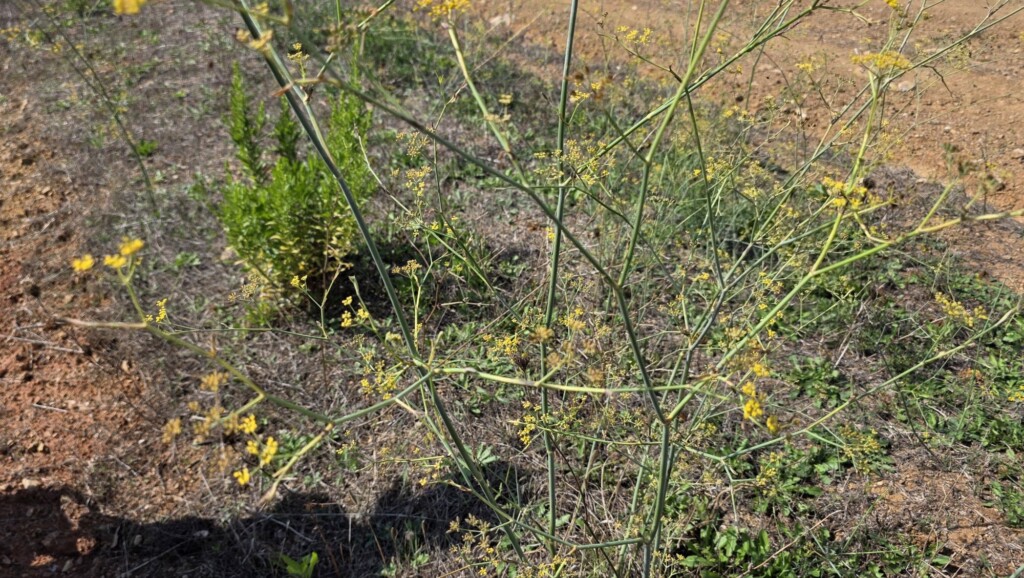
Wild fennel – with its yellow blossoms.
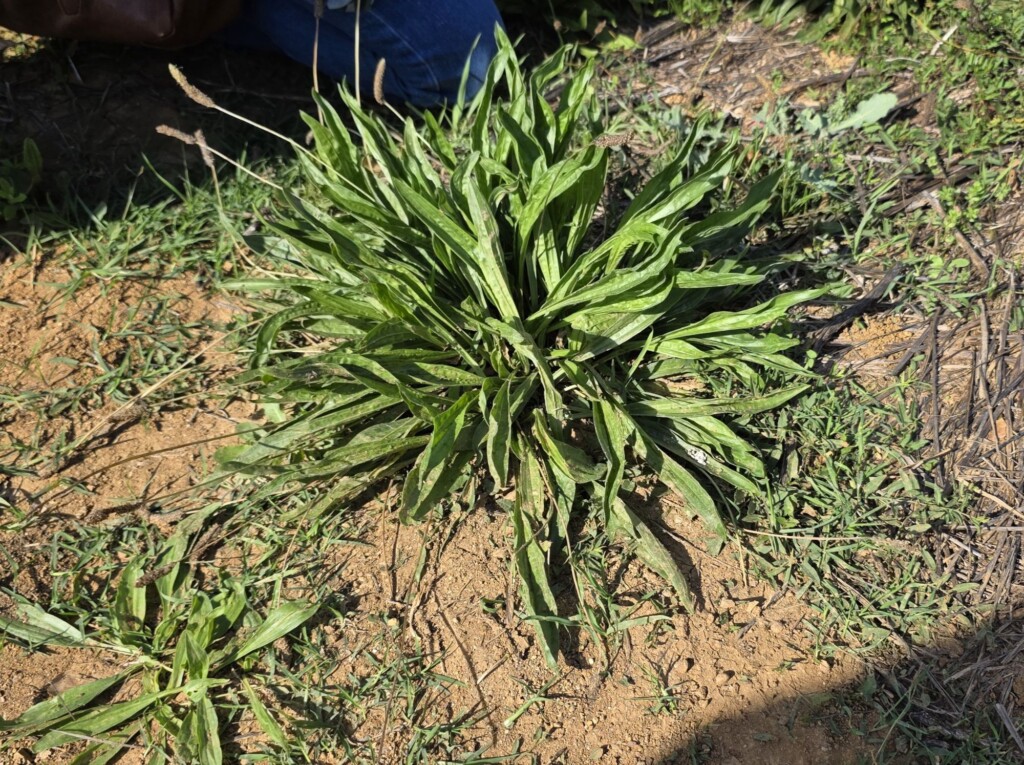
Plantain (piantaggio) – with an earthy flavor reminiscent of mushrooms.
Purslane (portulaca) – succulent leaves with a citrusy snap.
Sorrel (acetosella) – bright, lemony, and sour like vinegar.
Thistle and nettle seeds – nutrient-rich additions.
Olive leaves – richer in health benefits than the olives themselves; dried and brewed as tea, they aid circulation and heart health.
From Field to Table
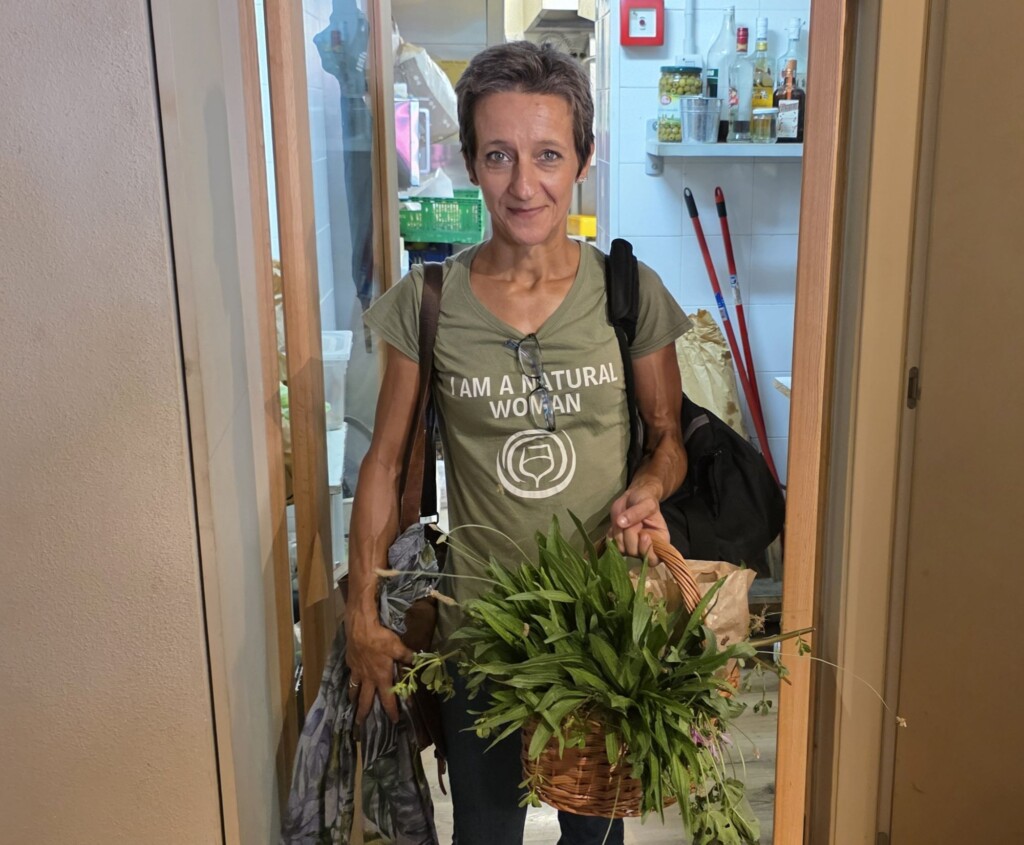
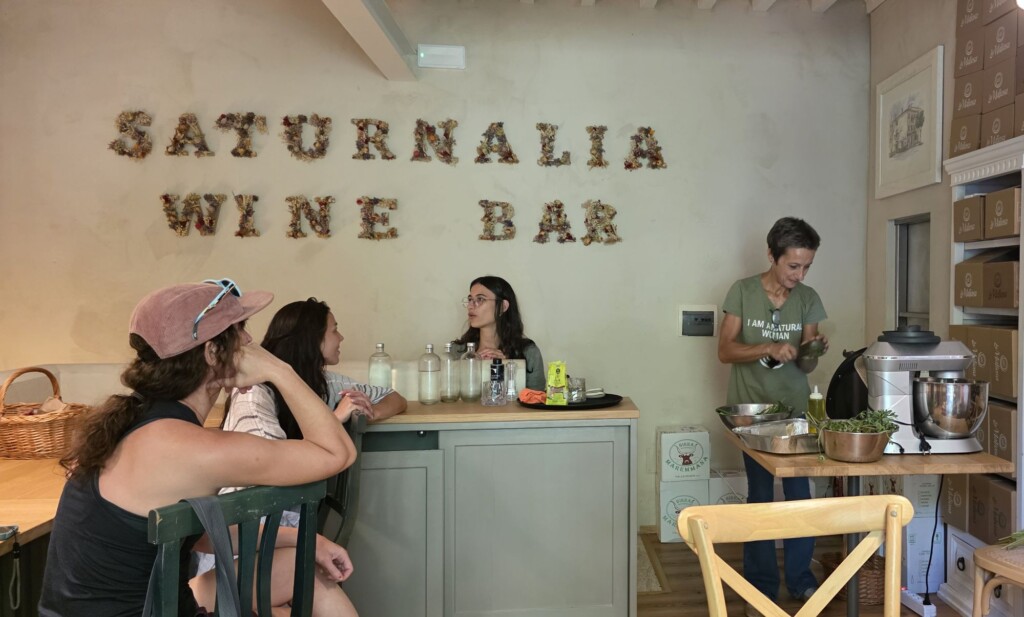
After gathering herbs, we returned to Saturnalia Wine Bar in Saturnia. Francesca showed us how to prepare fresh tagliatelle and two pestos from our foraged bounty.
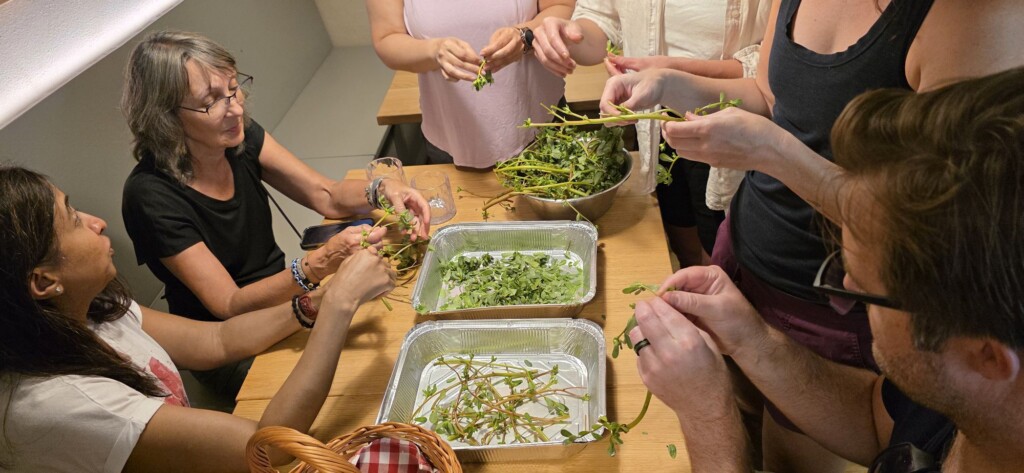
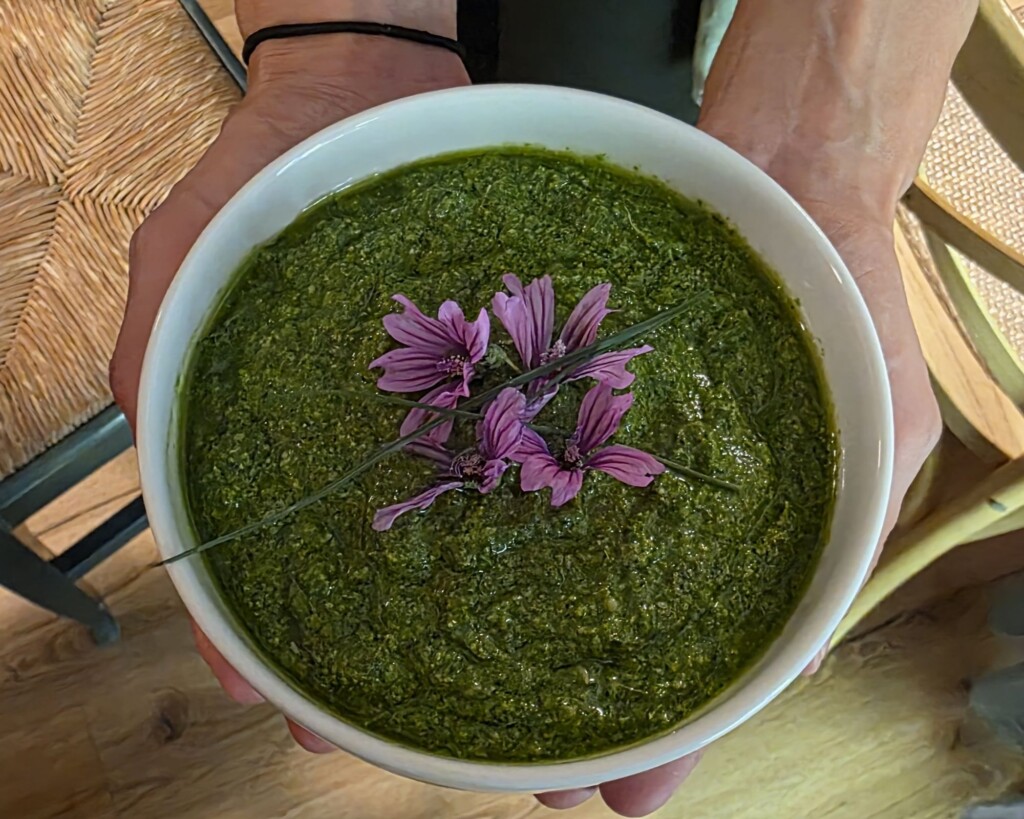
Plantain pesto blended with hemp seeds, pine nuts, garlic, salt, and La Maliosa’s organic olive oil.
Purslane pesto brightened with cashews, Parmesan, garlic, olive oil, and a touch of salt.
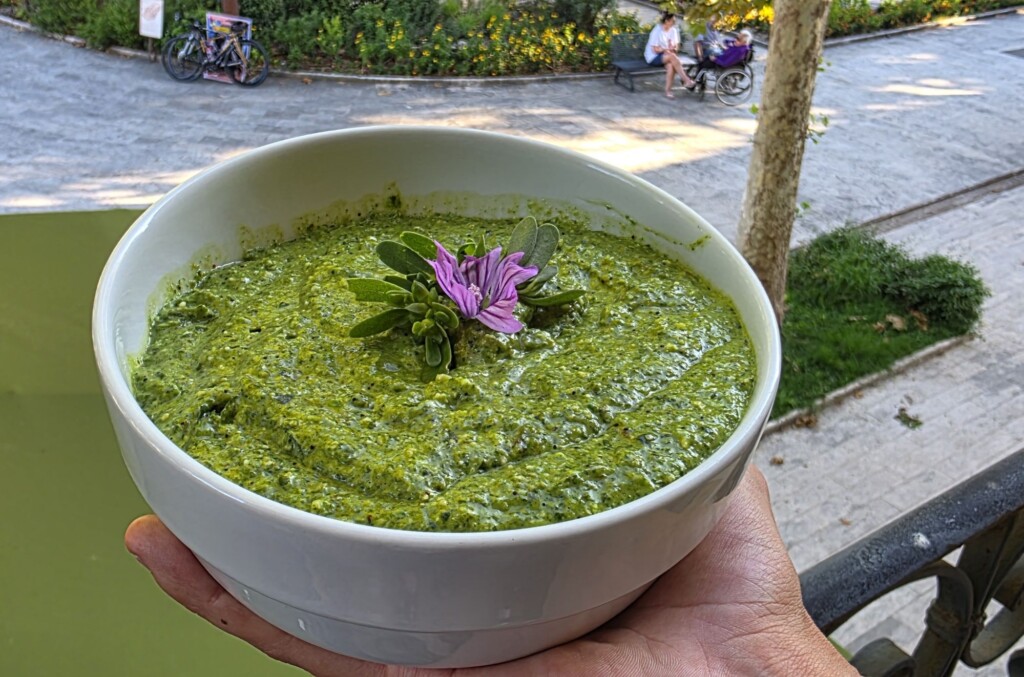
Both were earthy, vibrant, and alive with flavor, proof that wild herbs bring a complexity that can rival traditional pesto made with basil.
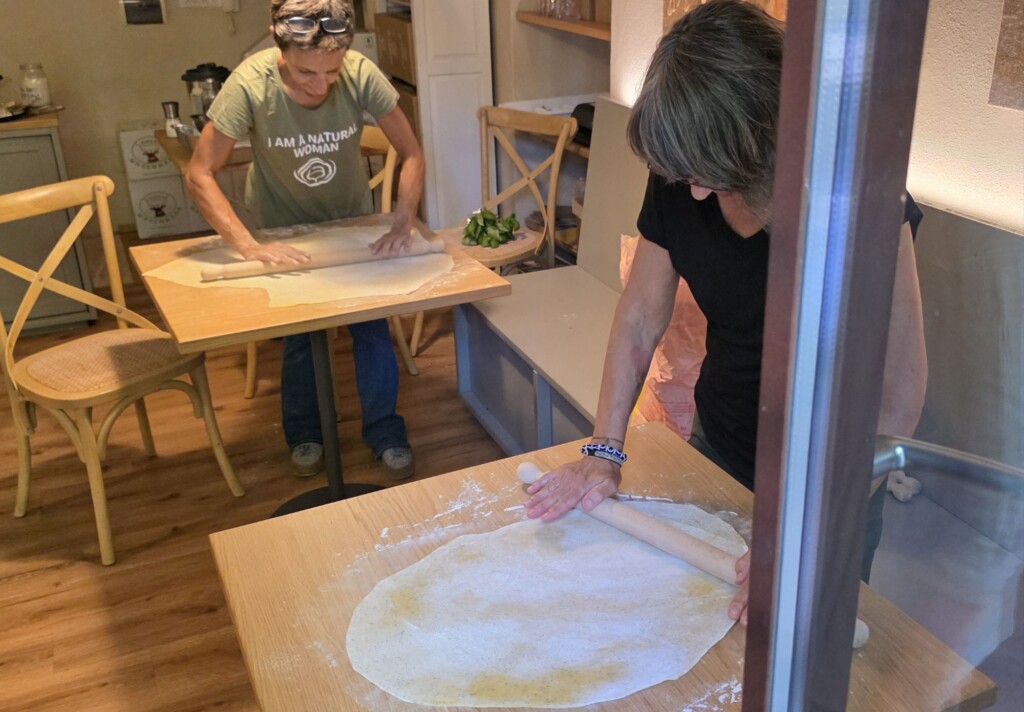
For the pasta, Francesca added nettles. We rolled out the pasta and cut it into long strips as we were making tagliatelle.
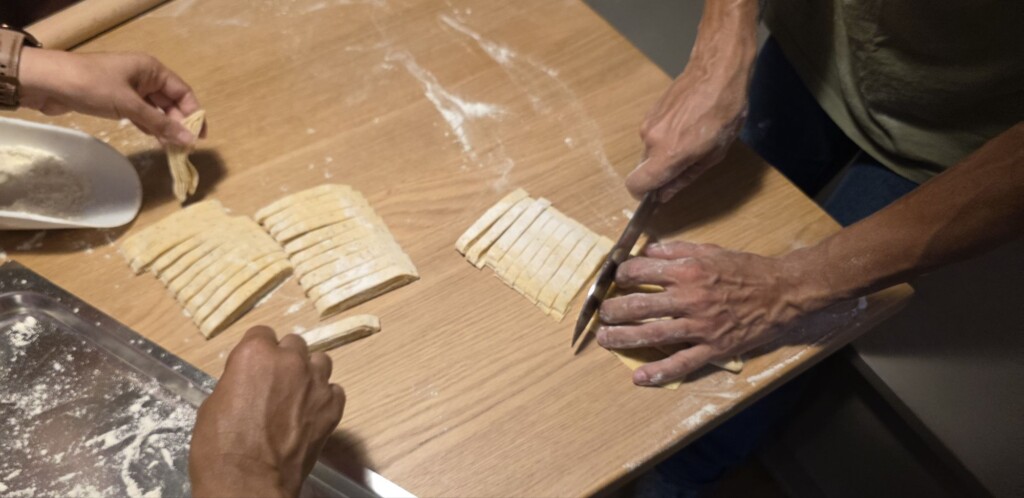
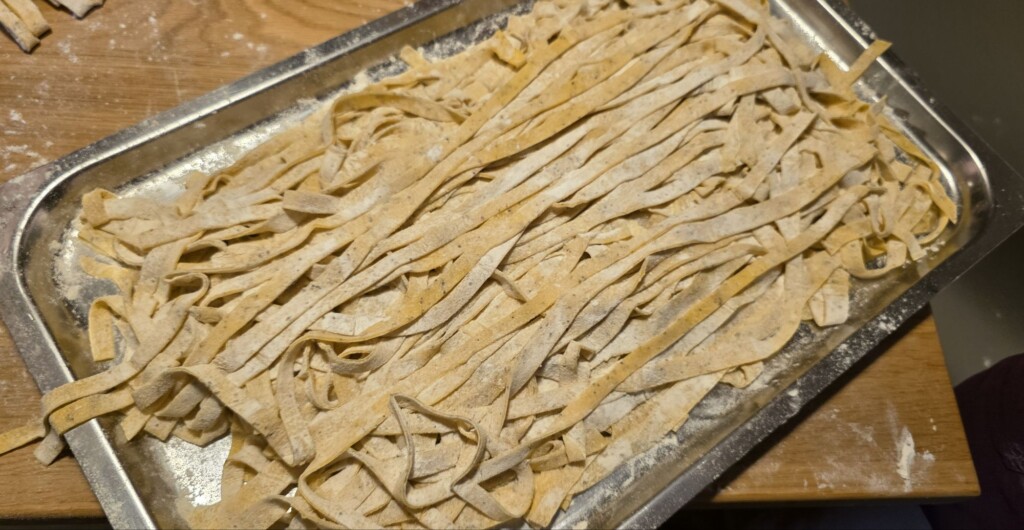
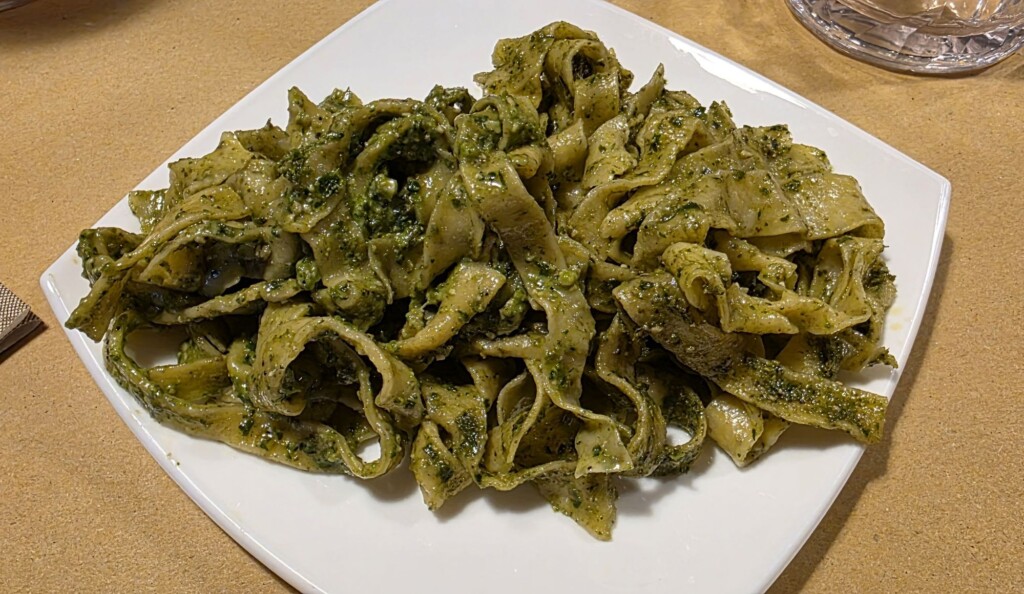
The pasta was cooked and we topped our handmade pasta with the fresh pestos and drizzled everything with more of La Maliosa’s golden extra virgin olive oil.
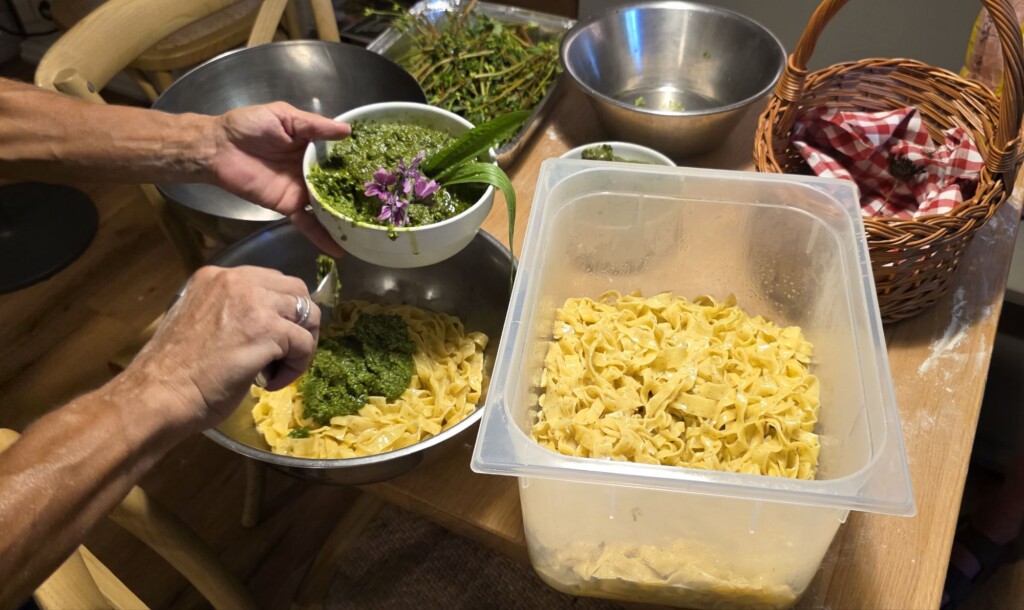
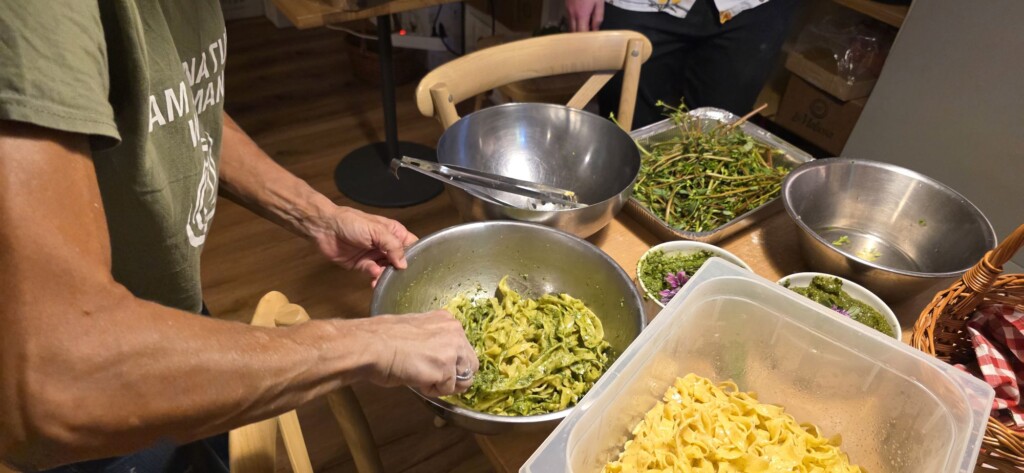
Both pestos were equally delicious with the wild herbs.
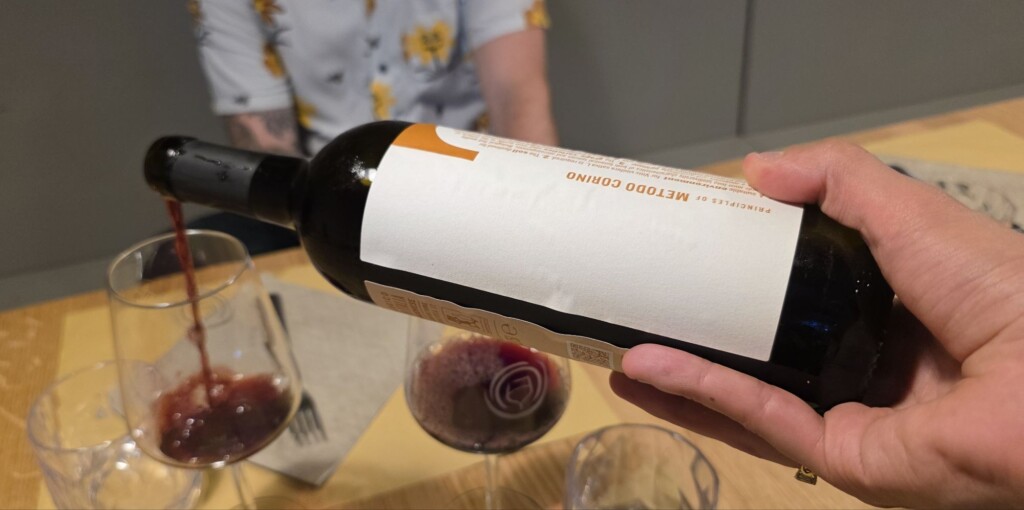
We paired the meal with Saturnalia Rosso, the estate’s natural red wine made from Sangiovese.
Sitting down to enjoy what we had gathered and cooked was more than a meal. It was a celebration of place, of biodiversity, and of the beauty that comes from living on the land.
Discover more from Please The Palate
Subscribe to get the latest posts sent to your email.