

22 Dec Listening to Nebbiolo: Learning to Taste Without the Label
I am not a wine critic. I don’t score wines.
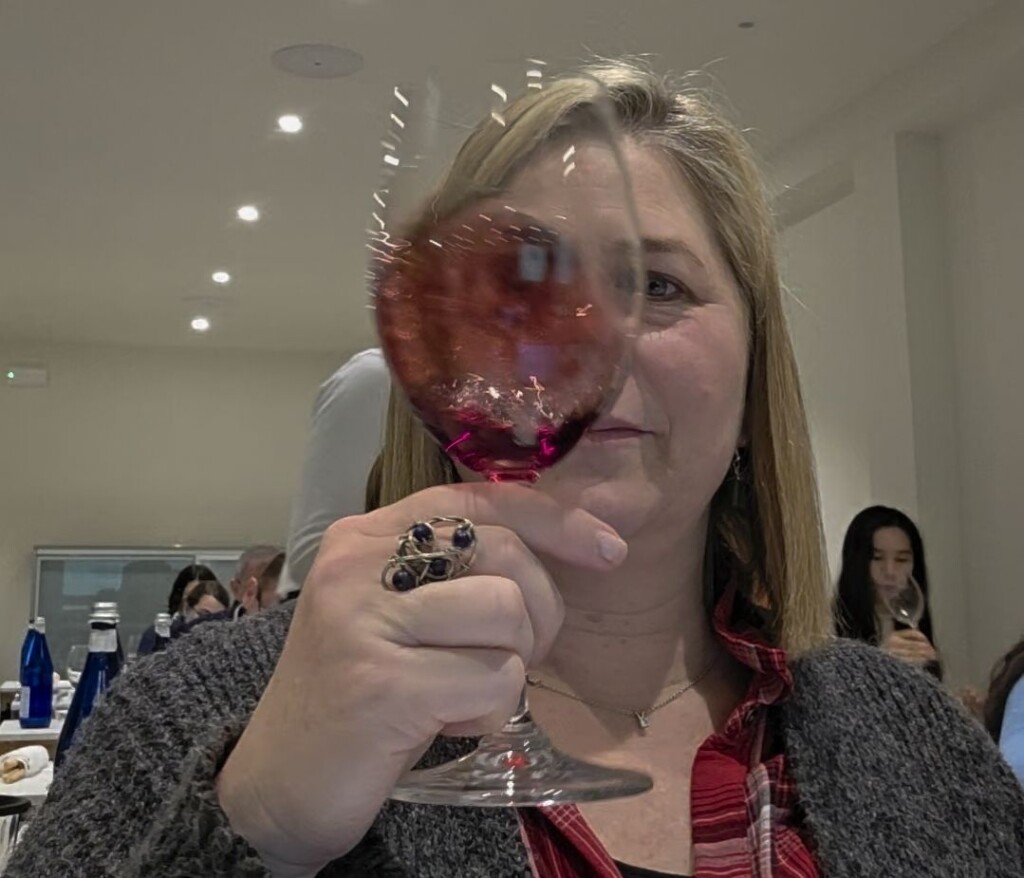
When I was invited to Nebbiolo Prima and told I would be blind tasting Nebbiolo from the 2022 and 2023 vintages, I knew exactly what I was getting into. Blind tasting is not unfamiliar to me as I participate in a small number of wine competitions each year, but it is not how I usually experience wine.
I write about wine to understand the people and place, to learn how geography, history, and human decisions shape what ends up in the glass. Each label tells a story, offering context, and anchoring wine to real landscapes and real lives.
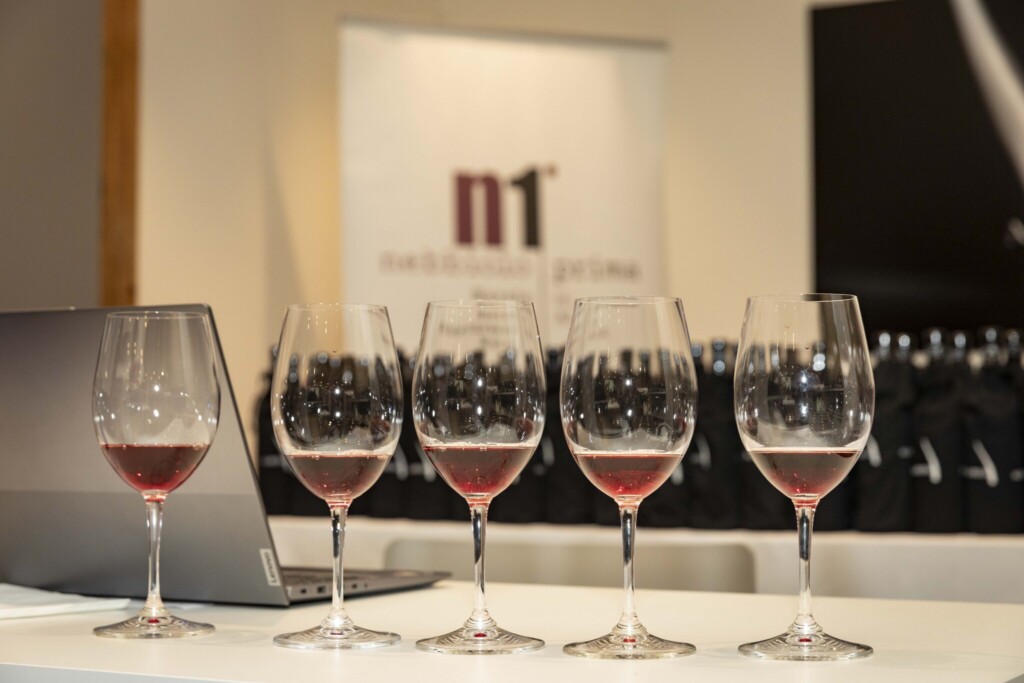
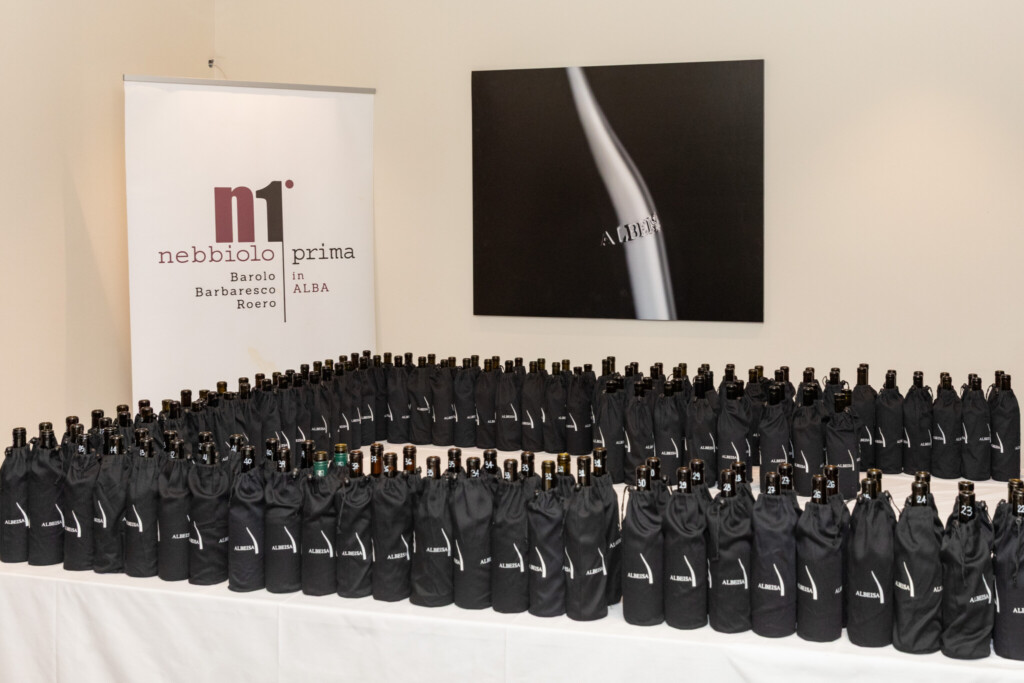
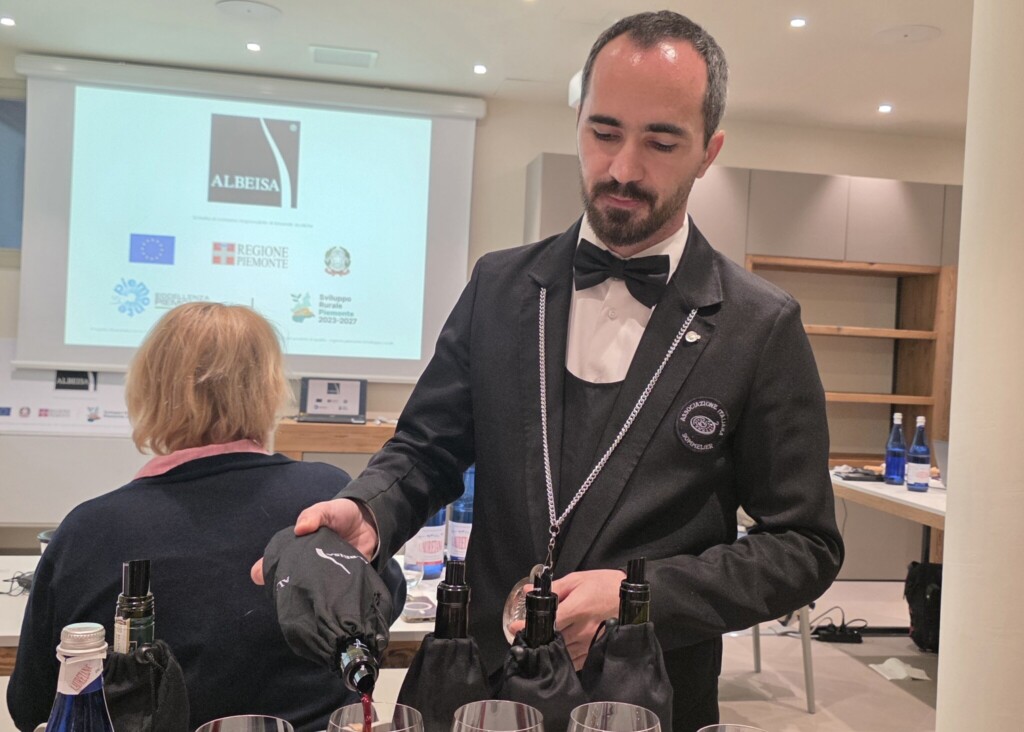
Blind tasting at Nebbiolo Prima was a different experience. It was not a single flight or a short judging session. Over several days, I would taste nearly 160 Nebbiolos blind, spanning nine appellations, four DOCGs and five DOCs, from a region that includes more than 500 producers, 10,000 hectares of vineyards, 54 municipalities, and produces roughly 66 million bottles each year.
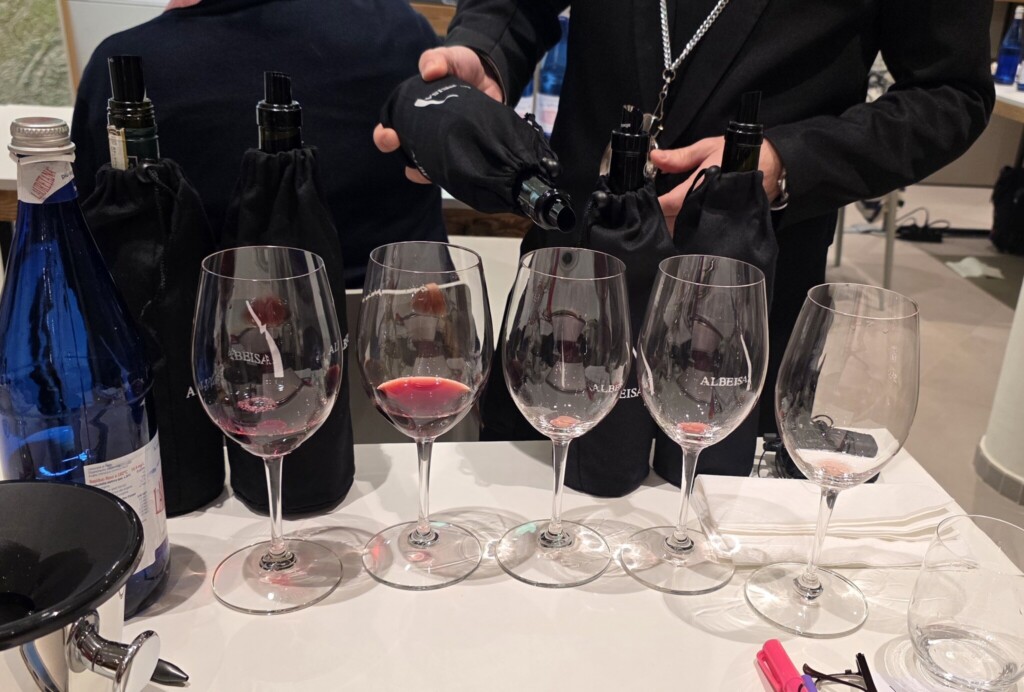
There would be no names, no reputations, and no shortcuts. Just Nebbiolo.
An Ancient Grape
Nebbiolo is an ancient variety, first mentioned in 1266, with references spreading across Piemonte by the 1300s. It buds early, ripens late, and displays remarkable genetic diversity. It exists through multiple sub-varieties, clones, and synonyms, and is deeply rooted in northwestern Italy. That diversity matters. It helps explain why Nebbiolo is so responsive to microclimate and soil, and why blind tasting it can feel like listening to many dialects of the same language.
The Geography Beneath the Glass
Alba sits at the center of Nebbiolo’s world, both geographically and culturally, surrounded by the rolling hills of Langhe and Roero, divided by the Tanaro River. That river is more than a line on a map. It is a geological divide with Roero on one side, shaped by sandy, highly draining soils and greater humidity, and Langhe on the other side, dominated by silt and clay, with higher water retention and denser structure.
The same grape, Nebbiolo, on different soils, resulting in very different expressions, was apparent in the glass.
Vintage Context Matters
The vintages tasted added another layer to the story:
2023 – 2023 was notably rainy, introducing disease pressure and demanding careful vineyard management. Ultimately, the season produced fruit that retained freshness and balance.
2022 – The 2022 vintage was shaped by extreme dryness. Water stress was a defining challenge, though when rain arrived, soils were able to absorb it. This was an important factor in preserving vine health and fruit quality.
2021 – A classic vintage, 2021 weather conditions were average, with well-balanced crop loads and a growing season that allowed for slow, even ripening.
2020 – The 2020 growing season was marked by variability, requiring careful attention in the vineyard. Nebbiolo was able to reach technological and phenolic maturity, resulting in wines that reflect balance rather than excess.
Why Taste Blind?
Blind tasting removes hierarchy. It strips away price, prestige, and expectation. What remains is structure, aroma, texture, and, ultimately, place.
Blind tasting forces discipline. Without a label to lean on, you have to trust your senses and accept how imperfect they can be.
This experience was not about ranking wines or deciding which were “better.” It was about learning how Nebbiolo speaks when no one tells you what it is supposed to say.

How I Approached the Tasting
Smelling wine is a skill. It takes work. It takes practice. And it takes humility. Blind tasting makes that clear very quickly.
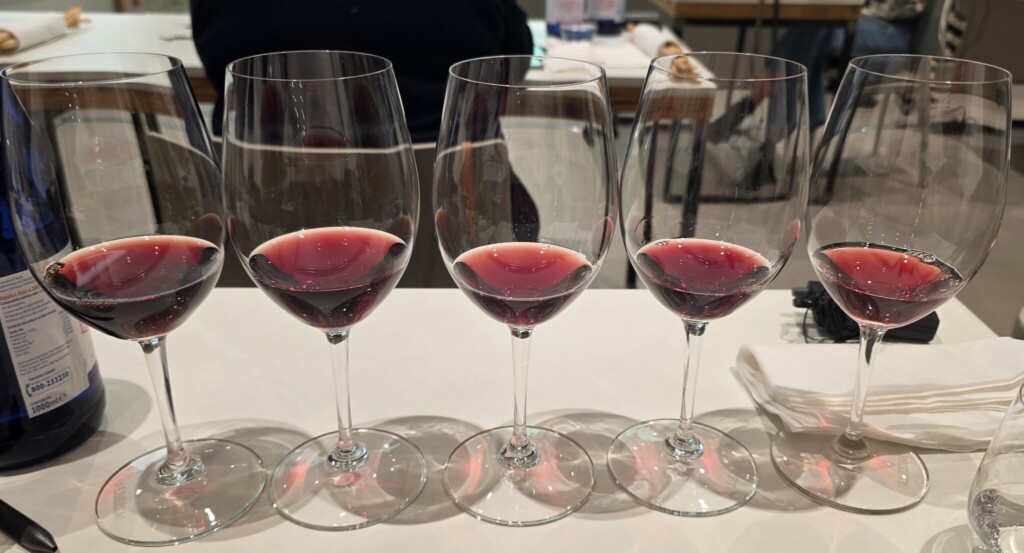
I took a deep breath. I stopped trying to identify anything. Instead, I focused first on what I smelled and then on the structure. Where did the acidity land on the palate? How did the tannins feel? How powerful were they? What was the length of the wine, the tension, the sensation?
I believed that if I tasted each wine, one at a time, writing down my notes, patterns might start to emerge. And I think they did.
What Blind Tasting Reinforced
As I tasted, patterns began to emerge across Roero, Barbaresco, and Barolo, as well as across vintages. Ultimately, blind tasting reminded me that:
- Structure speaks before aroma
- Soil, water, and exposure matter
- Place shows itself, even without a name
→ Coming Next….Part II: When Nebbiolo Speaks — What Blind Tasting Revealed About Place
Discover more from Please The Palate
Subscribe to get the latest posts sent to your email.