

22 Jul Celebrating a Century: Tasting the Legacy of Giovanni Manzone
We are midway through 2025. In the vineyards of Piemonte, the grapes are changing colors, and another harvest is on the horizon. For the Manzone family in Monforte d’Alba, this year holds deeper meaning; it marks 100 years since they first began making wine in the steep hills of Barolo.
With a century of experience comes a deep awareness of how much has changed, not only in the vineyards, but in Barolo itself. Giuseppe Manzone has witnessed it all: the hardships, the transformations, and the ongoing pursuit of balance and beauty in Nebbiolo. As the Manzone family celebrates this milestone, I had the chance to learn about their story, their land, and their wines through a virtual tasting.
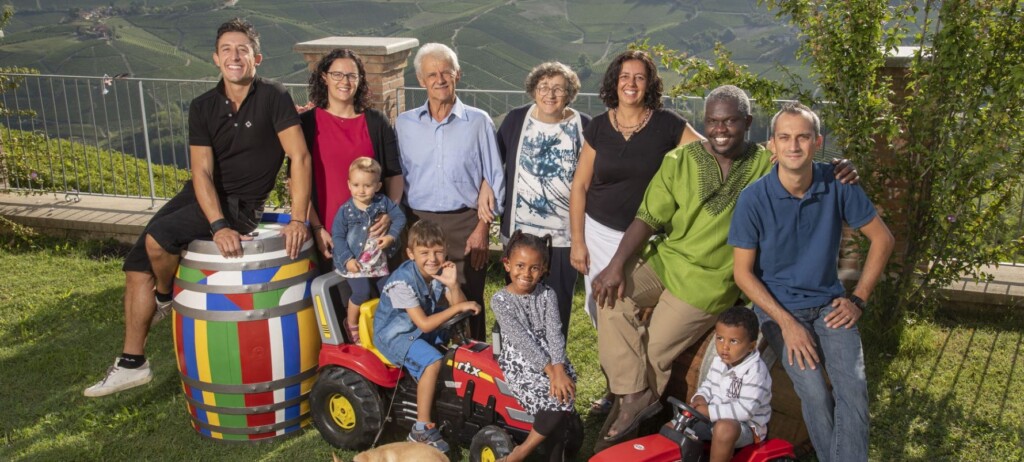
The story began in the aftermath of World War I, when the Langhe hills were a much quieter place and not yet the international wine destination they are today. The winery was founded by Stefano Manzone, born in 1860. He divided his property among his sons, and Giovanni, born in 1886, received the Ciabot del Preve, which was the former parish priest’s house and farm located in Castelletto.
Laying roots in Castelletto, the Manzone family officially began producing wine in 1925. A steep, rugged part of Monforte d’Alba, he saw potential in the land when few others did. In the years following, many families abandoned farming for life in the cities, but Giovanni chose to remain.
The property continued to expand over time. Giovanni’s grandson, also named Giovanni, took the reins. And, in the 1960s, despite resources being scarce, he purchased the first Lamborghini crawler tractor, an innovative and essential tool for working the steep slopes of Castelletto. By the early 1970s, the Manzone family acquired additional plots known as Gramolere, which translates to “weed and stones” in Piedmontese dialect.
Giovanni Manzone was part of the generation that helped shift the direction of Barolo in the 1980s and ’90s. As a member of the “Barolo Boys,” he embraced a new approach to Nebbiolo, one that brought out color and suppleness without sacrificing structure. The movement may have sparked controversy at the time, but today’s wines reflect a more nuanced evolution: longer macerations, larger barrels, and a return to balance.
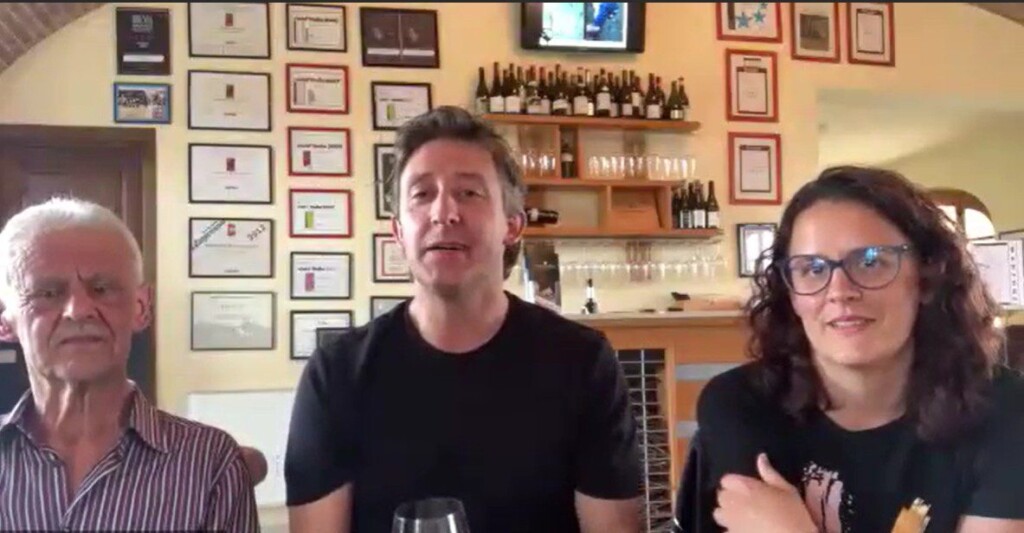
In the early 2000s, Giovanni’s son Mauro joined the estate, working side-by-side with his father in the vineyard and cellar. His sister Mirella came on board in 2012 after university. Together, they carry the family legacy forward – respecting tradition, championing sustainability, and embracing a style that allows Nebbiolo to shine with clarity, nuance, and a strong sense of place.
Their commitment shows in every detail, from the organic farming practices that preserve the biodiversity of the hills to their patient, non-interventionist winemaking philosophy. Nothing is filtered or fined. This is a family that lets the land speak. And it speaks most clearly through Nebbiolo, the grape that defines Barolo.
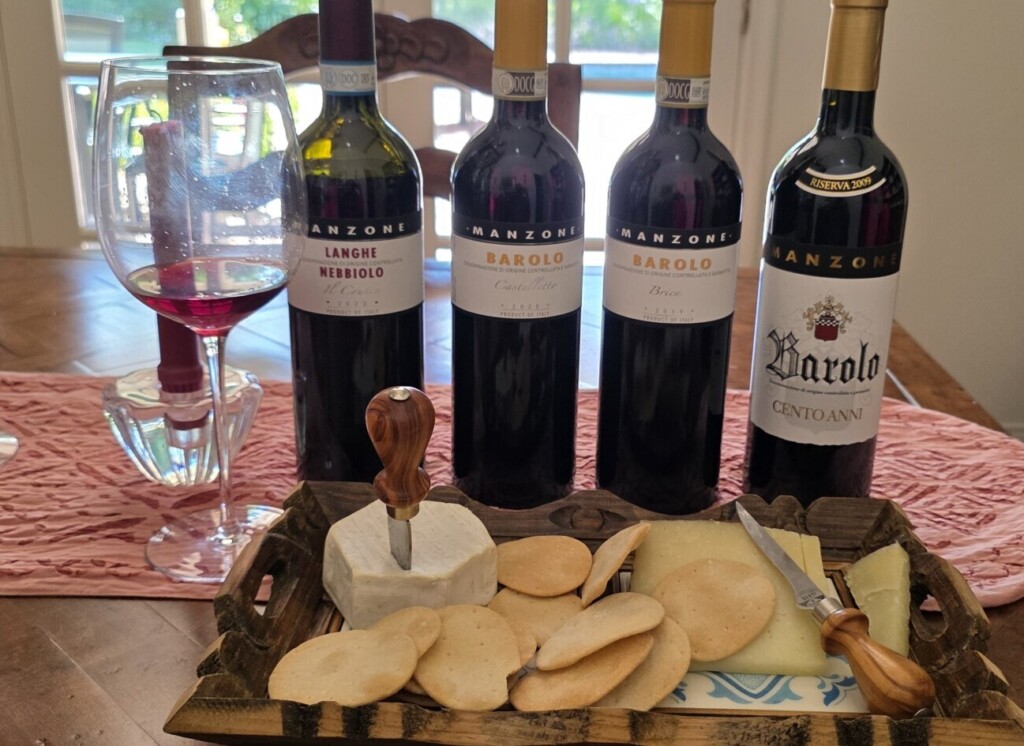
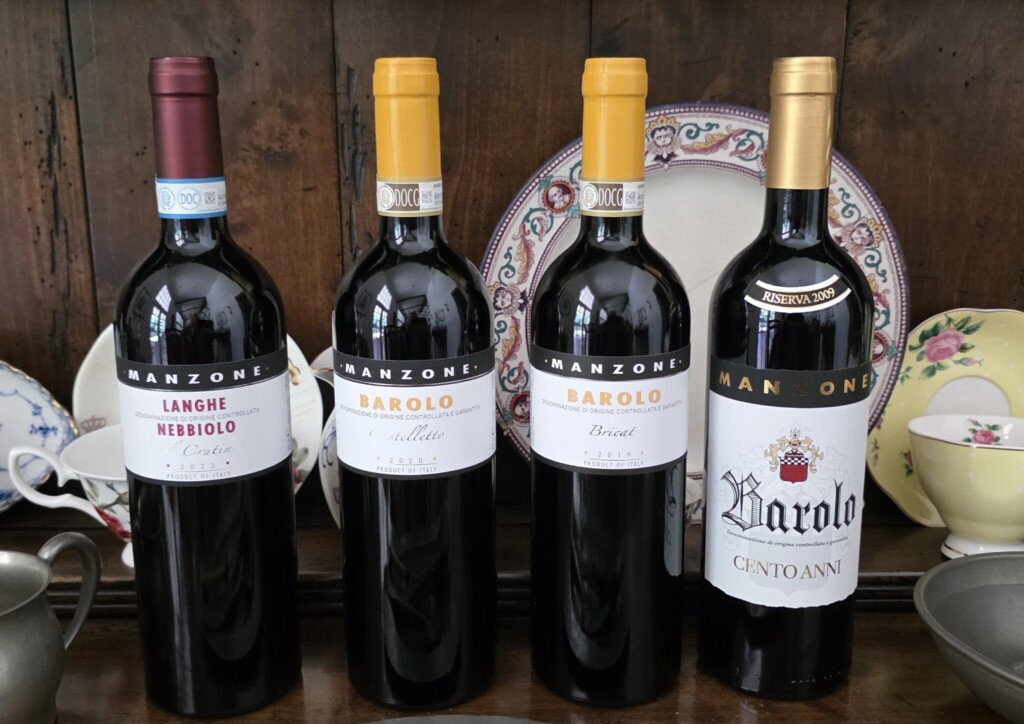
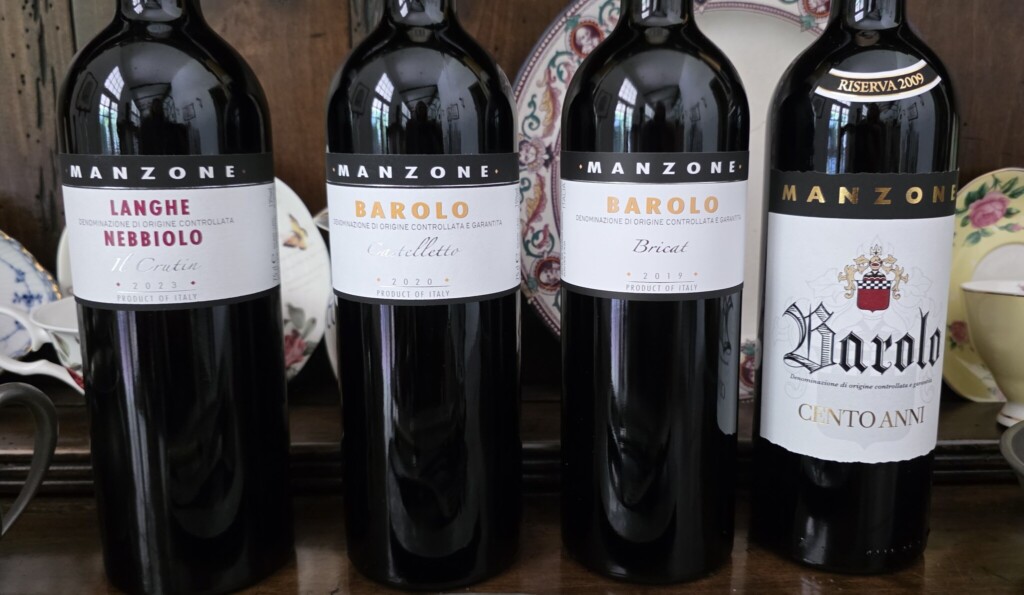
During the tasting, I had the chance to explore four wines that beautifully captured different expressions of this noble variety.
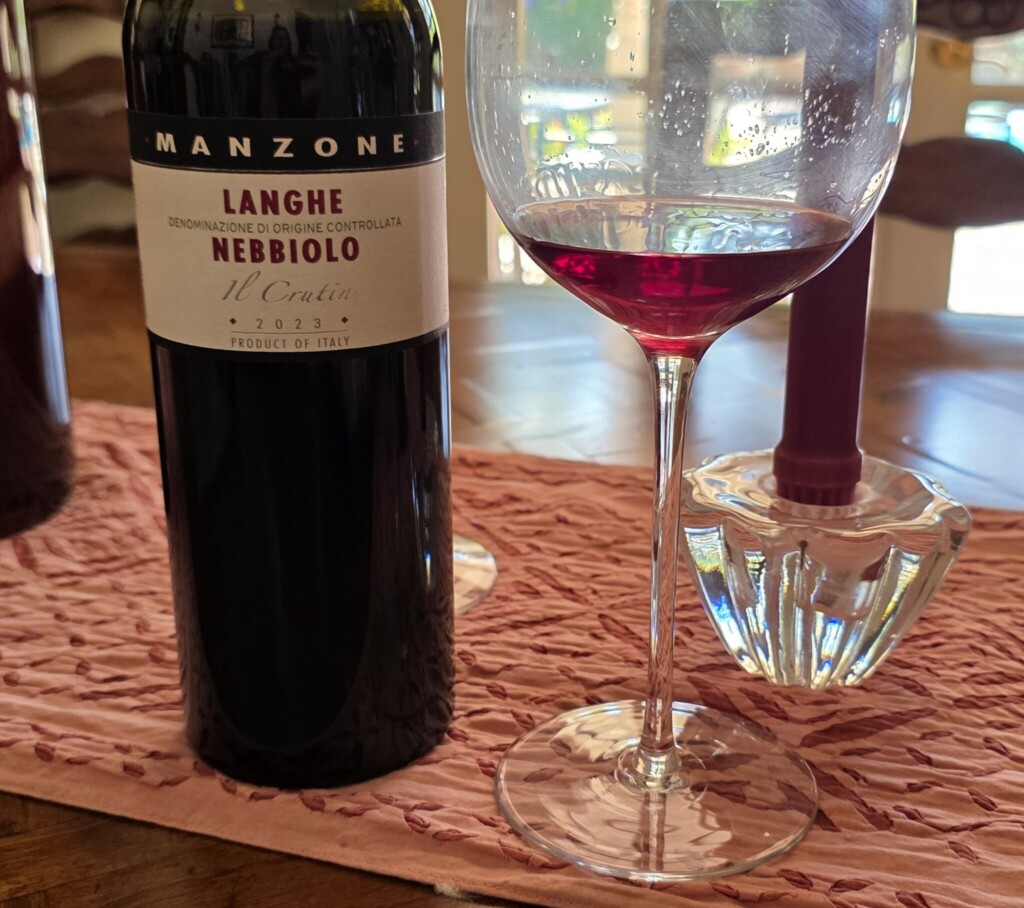
Langhe Nebbiolo “Il Crutin” 2023 ($27)
Fresh, floral, juicy, and aromatic, this wine is the gateway to Manzone’s Nebbiolo style. It comes from young vines planted around a historic house in the vineyard, and is made with shorter skin contact and aging to preserve its purity. The wine is youthful and very drinkable.
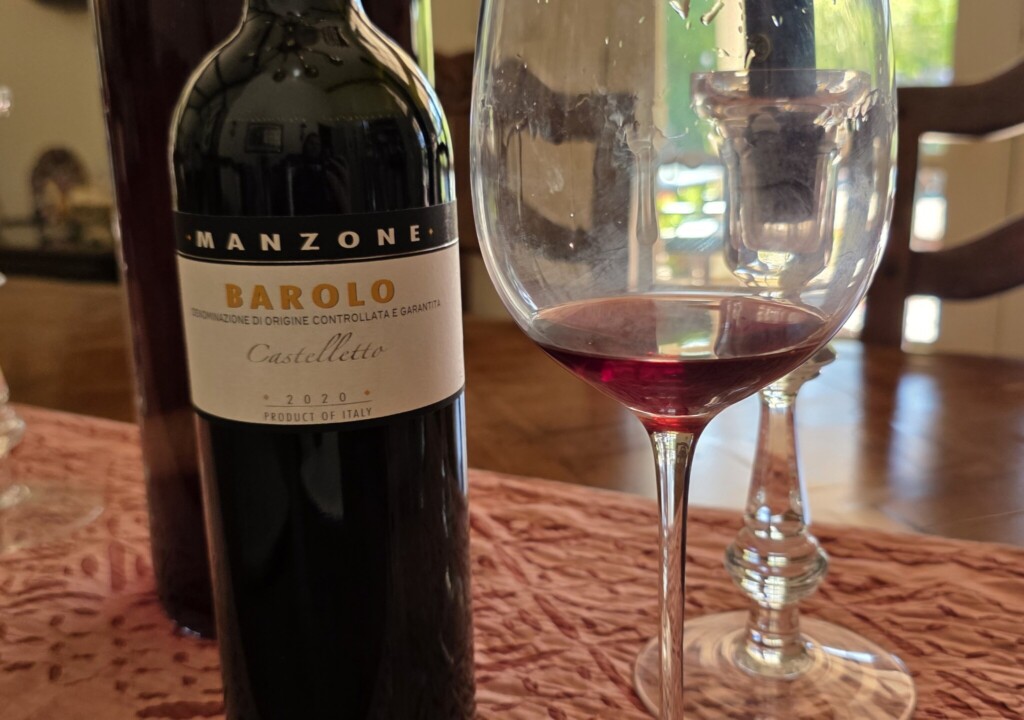
Barolo Castelletto 2020 ($75)
From a southeast-facing vineyard with older soils and high altitude, and surrounded by woods, this Barolo is graceful yet firm. The 2020 vintage lent the wine a natural elegance with sweet, polished tannins and an expressive core of wild red fruit and rose petals. Aged in large Slavonian casks and tonneaux with minimal new oak, it delivers structure without sacrificing character. The use of indigenous yeast and some whole berries helps further emphasize a sense of place.
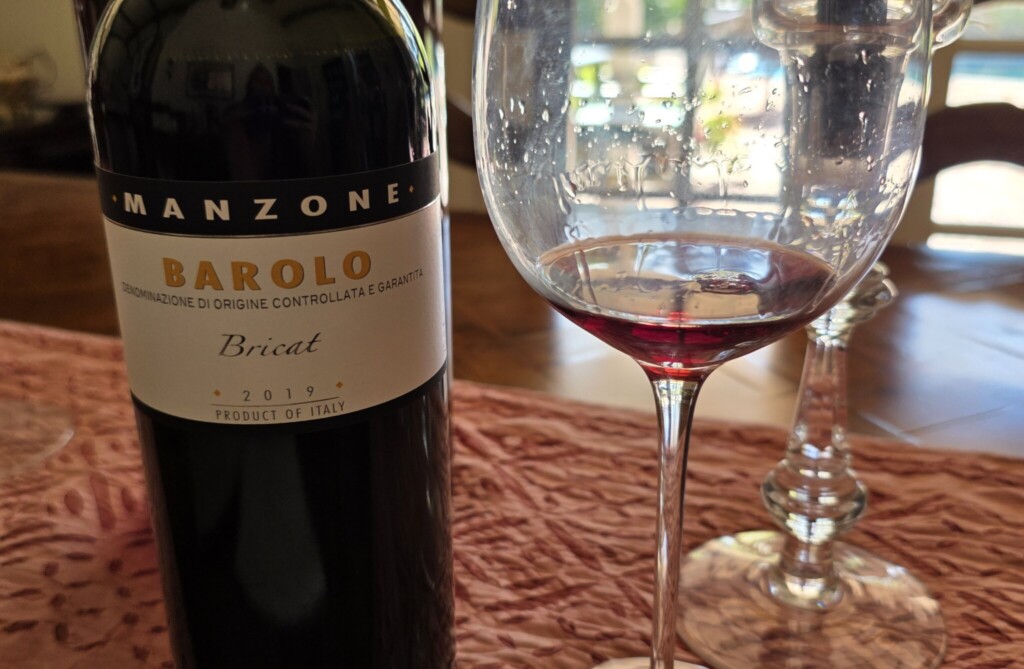
Barolo Riserva “Bricat” 2019 ($120)
“Bricat” refers to a special hillside parcel within the Gramolere vineyard, known for its steep slopes and rocky, mineral-rich soils. These old vines yield a wine of both finesse and power. The 2019 Bricat showed darker fruit, earth, and hints of walnut and balsamic herbs, all balanced by persistent acidity and well-knit tannins. There’s a quiet intensity here that rewards attention.
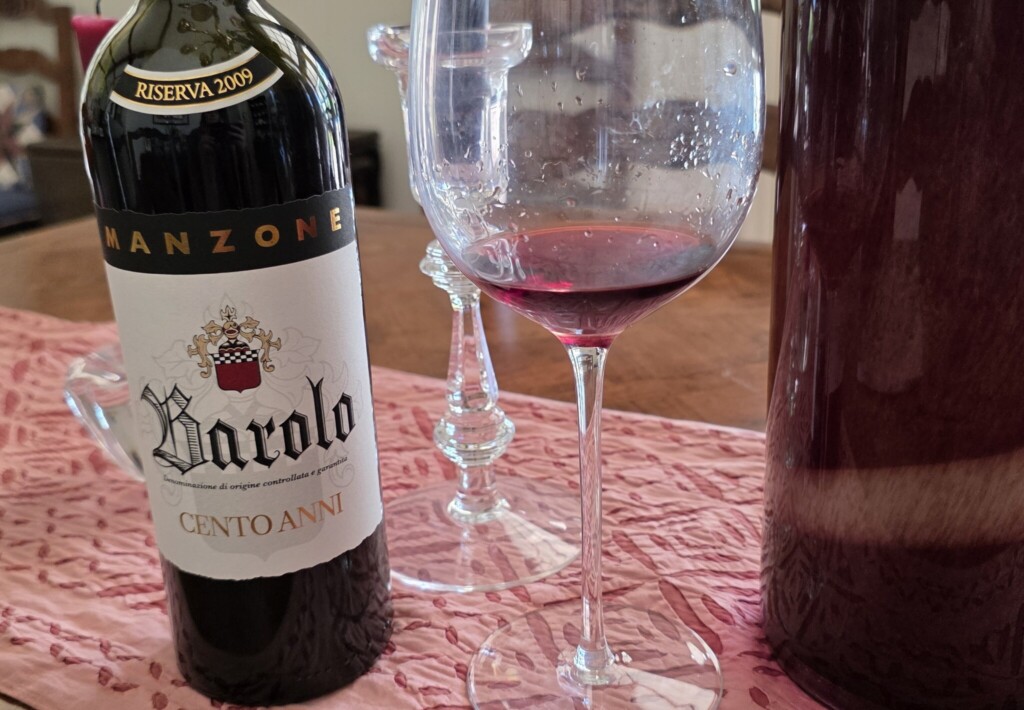
Barolo Riserva “Cento Anni” 2009 ($280)
A bottle sixteen years in the making, this was the ultimate wine of the tasting, released to commemorate the estate’s centennial. Aged first in large oak for seven years, then rested in concrete for another five, the 2009 Cento Anni was finally bottled three years ago and has only just been released. It is a wine of patience and restraint. Layered and elegant, with dark fruit and tar aromas, savory undertones, and a seamless texture.
In a region now revered across the globe, the Manzone family’s story is one of steadfast belief in their soil, their traditions, and their future. Honoring their heritage, their land, and their wines, happy 100th anniversary.
Discover more from Please The Palate
Subscribe to get the latest posts sent to your email.