

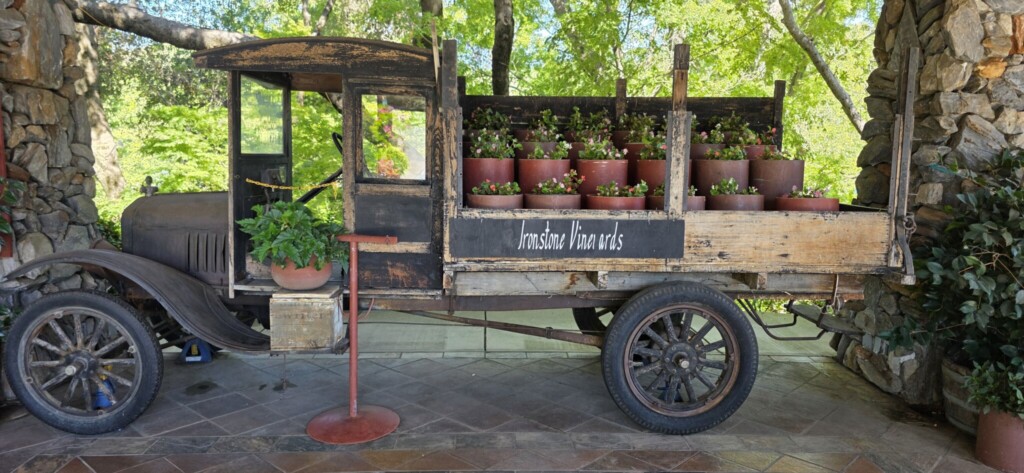
02 Sep The Story Behind the Label: Ironstone Vineyards in the Sierra Foothills
Stroll down the wine aisle, and the shelves stretch endlessly with a sea of labels competing for your attention. Sometimes it is the familiar logo you have seen a hundred times. Other times, a bold design or an irresistible price tag makes you reach out. For many value-driven domestic wines, that is all most of us know: the label, the name, the cost. But behind every bottle, even the most affordable, is a story.
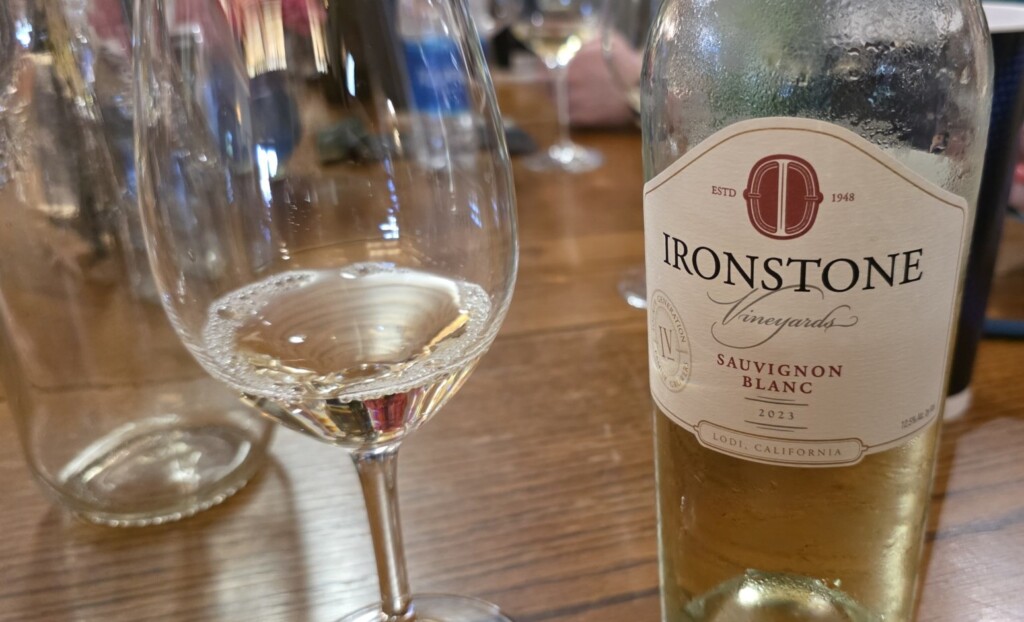
Ironstone Vineyards is one of those wines. With a recognizable label, you have likely seen bottles on shelves across the country. What you may not know is that it comes from a family that has been farming in California for three generations and is one of the ten largest grape growers in the country.
A Legacy Rooted in the Land
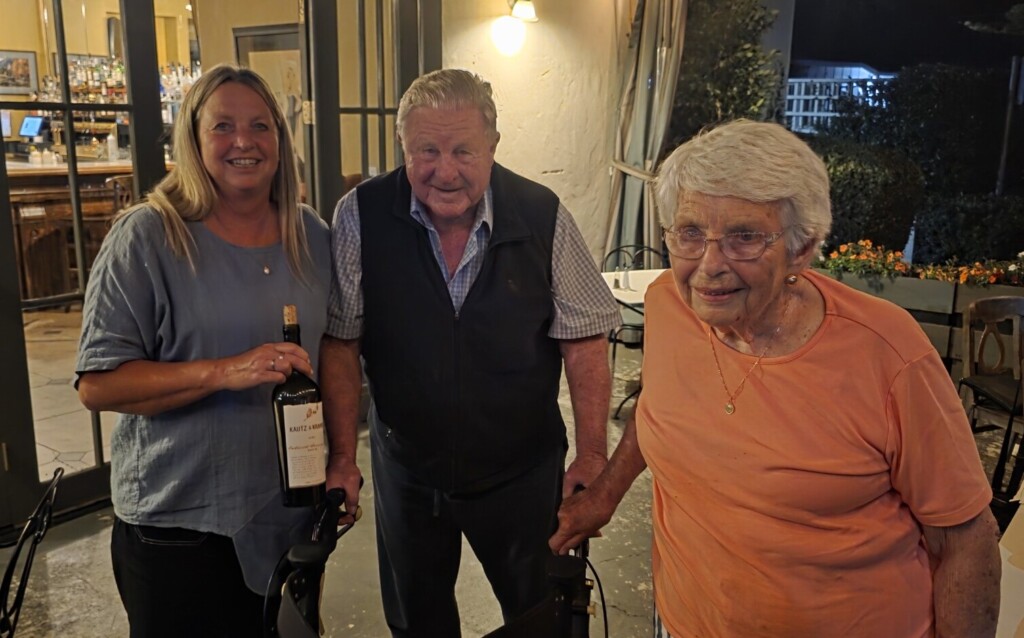
Siblings Joan, Stephen, Kurt, and Jack Kautz, the third generation behind Ironstone, were born into a grape growing family. Their family’s California story began with German immigrants who came west looking for opportunity and found it in farming. Over the decades, the family grew vegetables, ran cattle, and later became one of the early adopters of wine grapes in Lodi. In fact, their father John Kautz planted the first Chardonnay vines there in 1968, nearly ten years before anyone else.
That boldness helped transform the family business into one of the largest grape-growing operations in the country, with more than 7,000 acres of vineyards, mostly in Lodi, making them one of the top ten wine grape growers in the U.S. The winery is nestled in Calaveras County in the historic Sierra Foothills, in a gold rush town called Murphys, dubbed “The Queen of the Sierras.” Today, Joan handles Global Sales & Marketing, Stephen is President and manages Ironstone’s winery estate in Murphys, Kurt is the Chief Financial Officer, and Jack oversees production in Lodi.
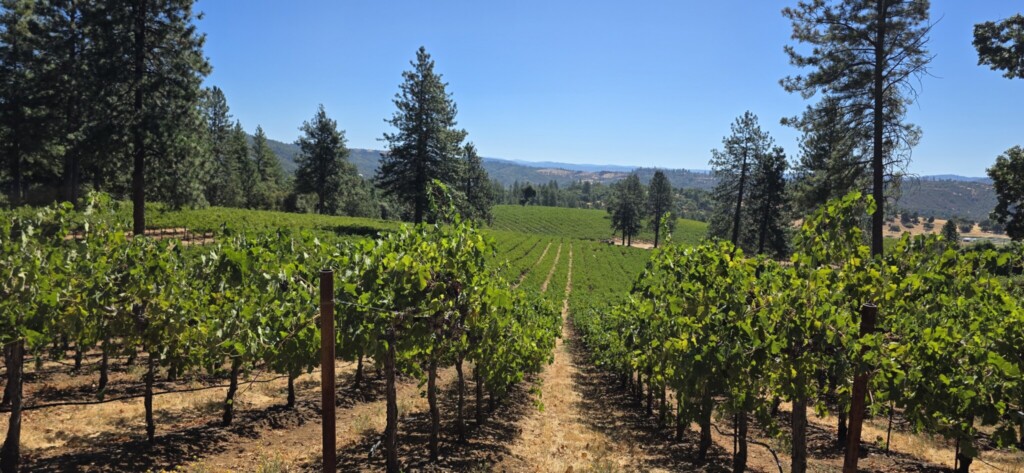
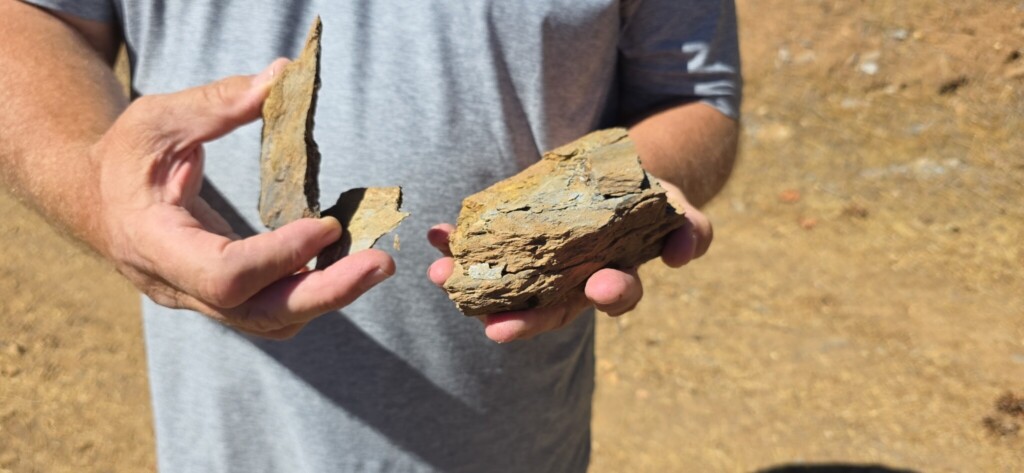
The Calaveras County property spans 1,100 acres, though just 100 are planted to vines, including Viognier, Chardonnay, Muscat Canelli, Tempranillo, Petite Sirah, and the Bordeaux varieties. The soils are a mix of red clay and Calaveras schist laced with quartz. The vineyard sits at elevation, where the Sierra Nevada snowpack acts like a natural refrigerator, bringing cool nights to balance the hot, dry days. A high-trellis system helps air and sun circulate beneath the canopy, reducing moisture and improving ripening conditions.
Ironstone Winery itself, built in 1989, was designed to echo the look of a gold rush-era stamp mill, a nod to Murphys’ storied past. The architecture is layered into the hillside, and beneath it lies a 10,000-square-foot wine cavern, complete with a waterfall at the back, part functional cellar, part event space.
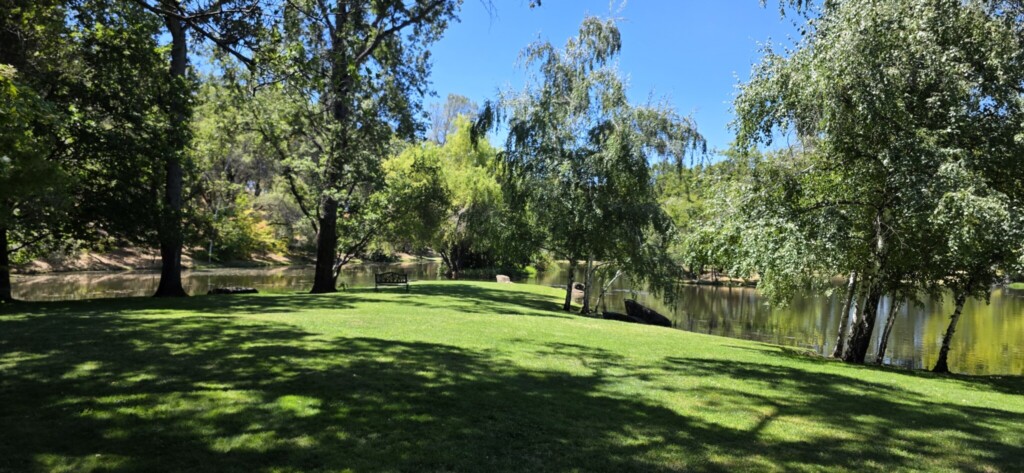
A Sense of Place
For all the scale of their farming operation, Ironstone retains the feel of a family business. Joan and Stephen are hands-on, welcoming guests, sharing stories of their grandparents who came to California for farm work, and explaining how their land grant evolved from vegetable fields to one of the largest wine grape portfolios in the country.
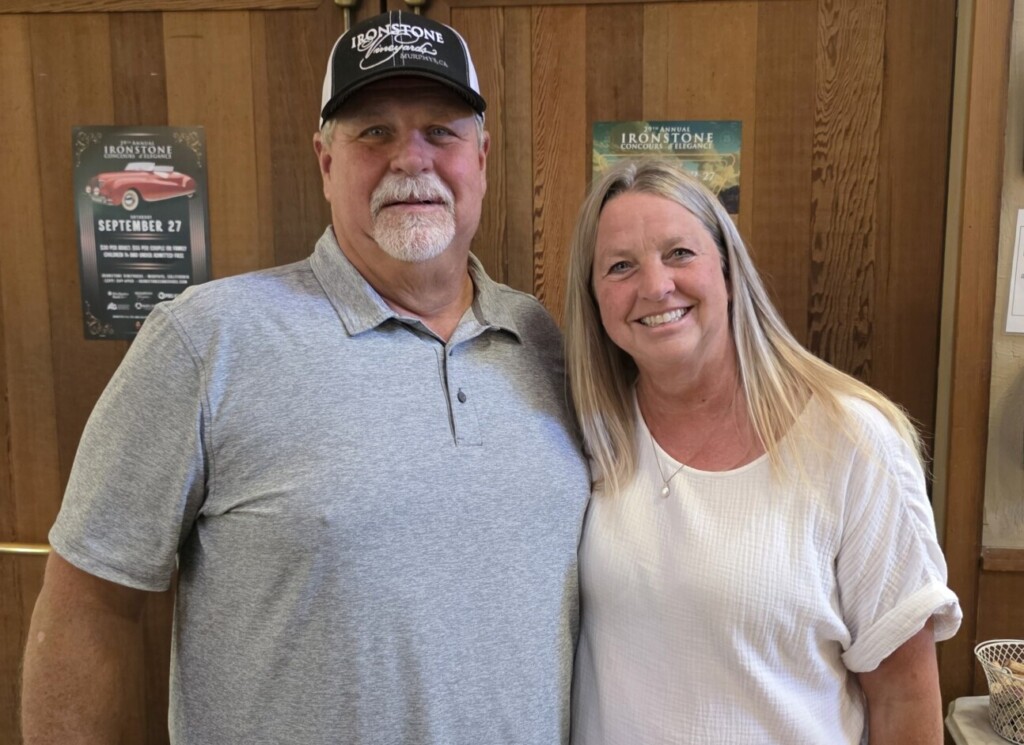
They began making wine in the early 1980s, almost by accident, when they had surplus grapes one harvest. What started as a small project soon became Ironstone, which today produces a wide range of approachable, value-driven wines and exports to over 50 countries. It is the flagship of a larger portfolio of 10 to 12 brands, supported by bulk wine sales and large-scale vineyard operations.
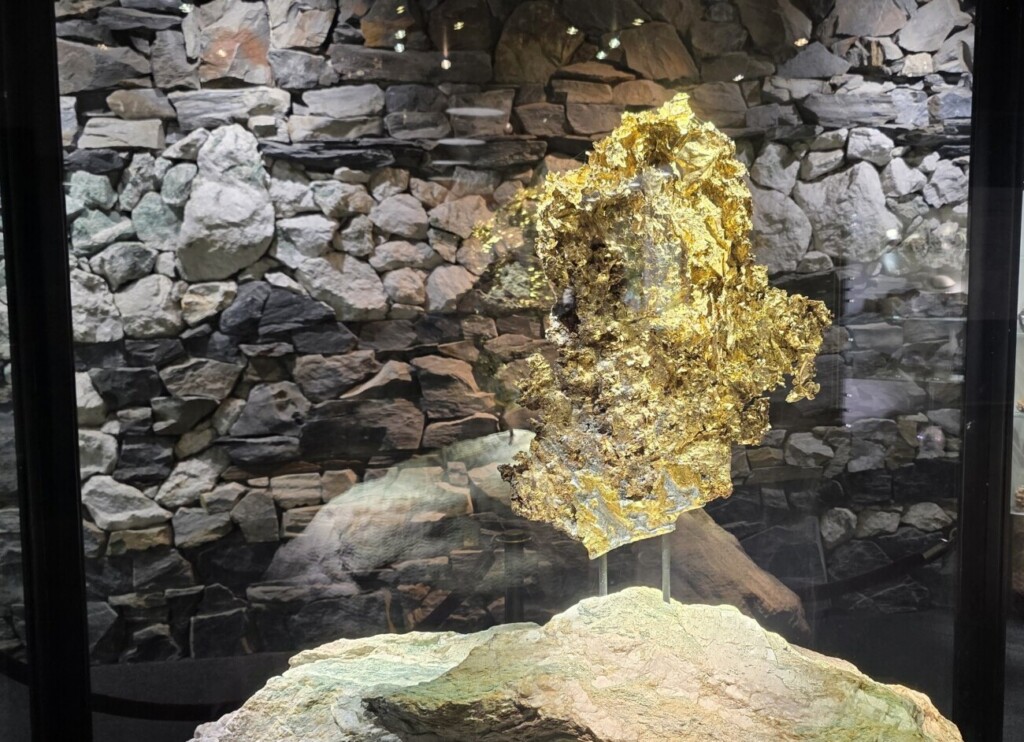
But Ironstone is not just a place to taste wine, it is a destination. The family has curated a museum onsite featuring Gold Rush-era artifacts and one of the world’s largest crystalline gold specimen. They’ve donated over $1 million in minerals to the University of the Pacific. And each summer, the estate transforms into a concert venue, hosting national acts on its outdoor stage.

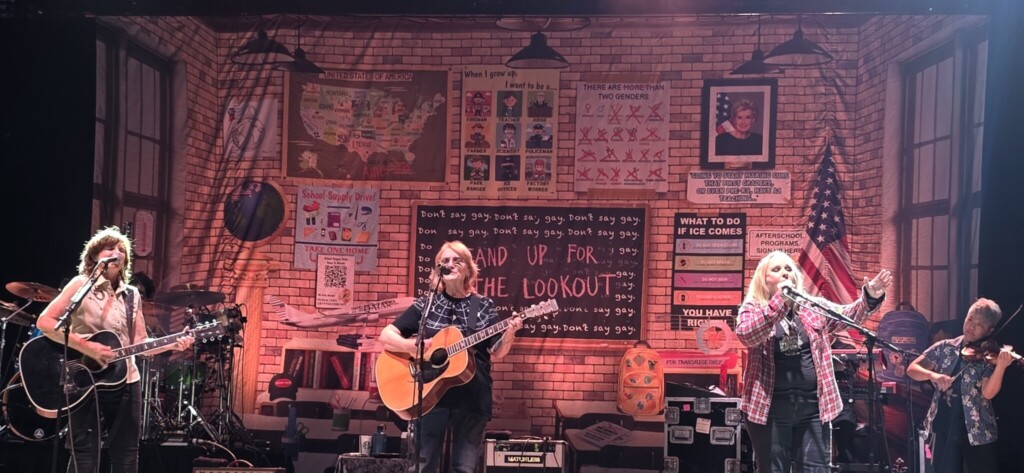
When I visited, I joined a packed crowd under the stars for a performance by Melissa Etheridge and the Indigo Girls, one of 8 to 10 concerts they host each season.
More Than a Bottle
Ironstone Vineyards may be best known for its wines on grocery store shelves, often priced at $15. But that accessibility doesn’t tell the whole story. Behind those bottles is a family rooted in California’s agricultural heritage, a winery built in a historic town with a deep connection to the land, and a legacy of farming that stretches from the Central Valley to the Sierra Foothills.
So the next time you reach for a bottle of Ironstone, remember, even the most familiar label has a story. Sometimes it is worth slowing down to hear it.
Discover more from Please The Palate
Subscribe to get the latest posts sent to your email.