

13 Jan Red Hills Lake County: Mountain Cabernet with a Sense of Place
I will start with a confession: I had not tasted wines from the Red Hills Lake County AVA. And to add another confession, Cabernet Sauvignon is not the grape variety where my palate usually goes first. I tend to gravitate toward wines with lift, energy, and nuance, not power for power’s sake. So I came into this virtual tasting curious and with an open mind.
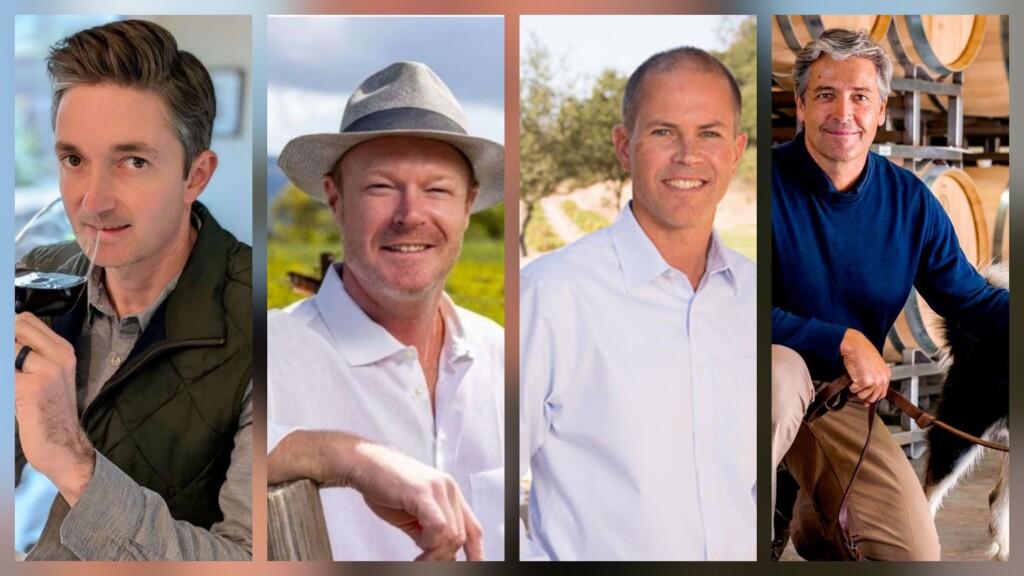
The virtual tasting focused on Cabernet Sauvignon from Red Hills Lake County was moderated by Master Sommelier Andrea Immer Robinson and brought together winemakers and growers who work with Red Hills fruit from very different angles: Kirk Venge (B Cellars / Crimson Veill), Jesse Giacomelli (Beckstoffer Vineyards), Peter Molnar (Obsidian Ridge), and Keith Emerson (Vineyard 29 / AtLarge) – four distinct voices with a shared respect for what Red Hills gives them.
What surprised me was how much I enjoyed the wines. They were elegant, fresh, and balanced, with a sense of place that felt immediately clear. Instead of heaviness, there was restraint. Instead of sheer muscle, there was precision. These were Cabernets that held my attention and made me want to keep tasting.
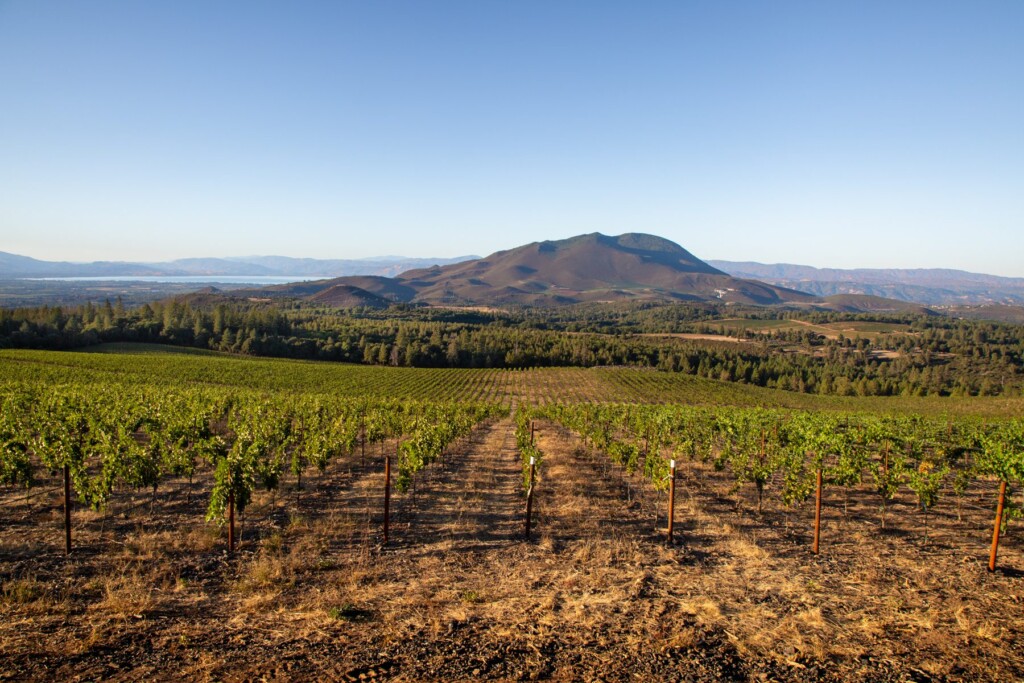
Photo Credit Nathan DeHart for Lake County Winegrowers
That sense of place came up again and again during the conversation, along with a shared acknowledgment of the mindset it took to work here in the first place. Red Hills Lake County has a long history and many of these producers first arrived 20 or 30 years ago, but it still remains rather unexplored. While it sits near Napa Valley geographically, it is considered the North Coast and feels far away. Long drives, rugged terrain, and fewer conveniences made it an unconventional choice at the time. But for those willing to make the leap, the rewards were clear. The potential of the fruit was undeniable, and as several of them noted, wineries willing to work here stood to benefit from something genuinely compelling. The wines in the glass made it clear why.
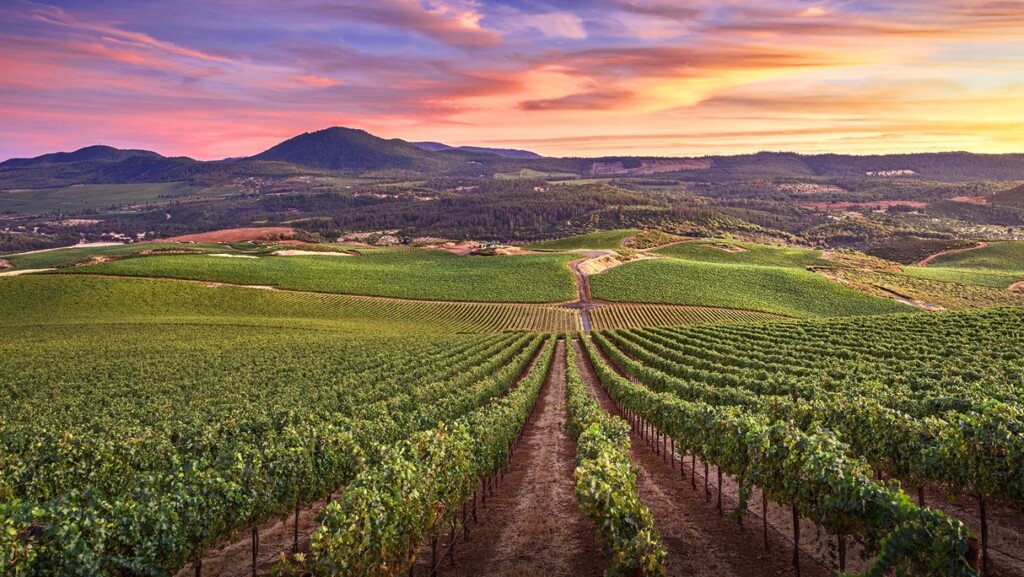
A Place That Does Not Feel Like Its Neighbors
Red Hills Lake County sits in the north Mayacamas Mountains, just above Clear Lake. It is close to Napa and Alexander Valley on a map, but it does not feel like them at all. This is volcanic country. Mount Konocti looms nearby, and the soils are full of obsidian, red iron-rich earth, quartz, and volcanic gravel. In some vineyards, you can see the obsidian rock everywhere you look. As someone said during the tasting, “the glass is in the soil.”
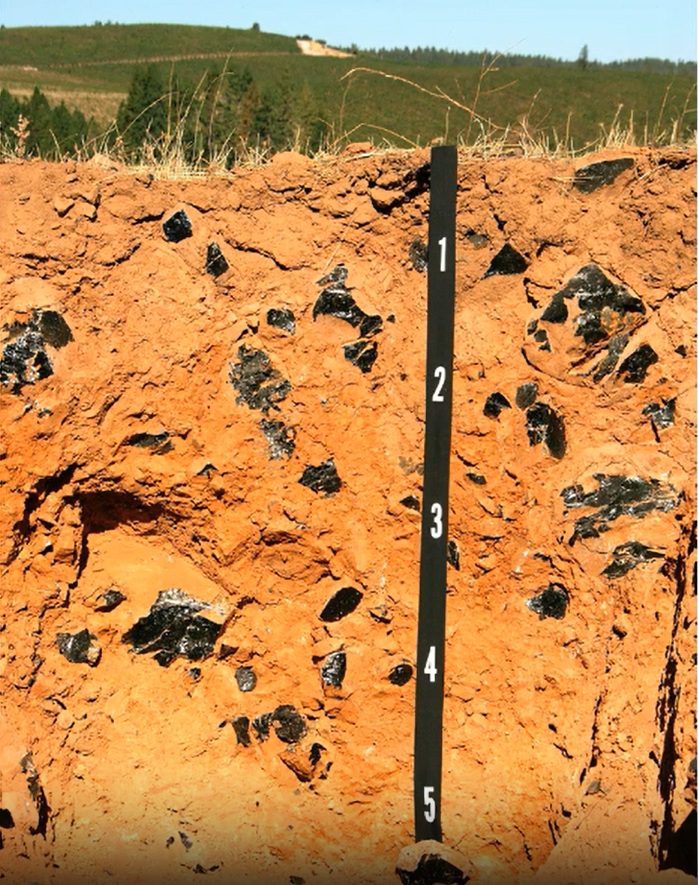
Vineyards here sit between roughly 1,350 and 2,600 feet, with most planted above 2,000 feet. That elevation matters, not just for temperature swings, but for sunlight itself. Peter Molnar explained that for every 1,000 feet in elevation, UV exposure increases by about 3%. In Red Hills, vines are getting significantly more UV over the growing season, which leads to thicker grape skins. Thicker skins mean deeper color, more phenolics, and serious structure, without needing to push extraction in the cellar.
Same Vineyard, Different Voices
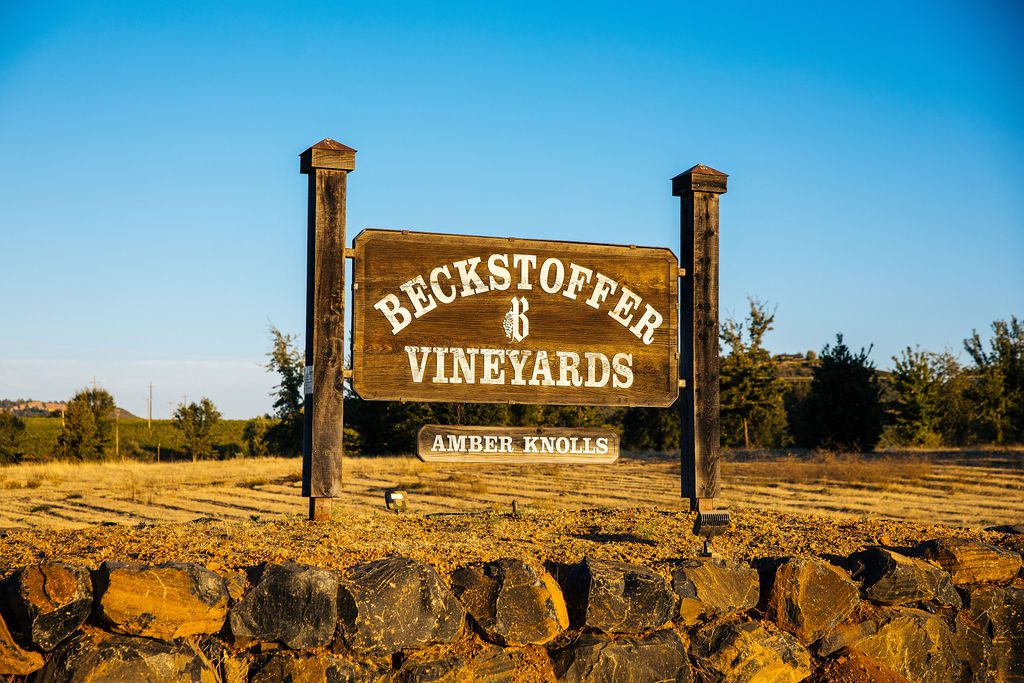
Andrea smartly structured the tasting to highlight site. We began and ended with wines from the same vineyard, Amber Knolls, planted by Beckstoffer nearly 30 years ago, but from different blocks and made by different producers. That framing made it clear just how nuanced this place can be.
Jesse Giacomelli shared how Andy Beckstoffer first came up to Red Hills in the mid-1990s and immediately saw parallels with Napa’s Vaca Mountains: elevation, volcanic soils, and the potential for serious mountain Cabernet. At the time, there was not much planted beyond some orchards, chaparral, and a lot of untapped land. Nearly three decades later, the vines have matured, and the farming is precise and intentional.
Keith Emerson talked about how farming choices at Amber Knolls, especially managing stress and preserving acidity, shape the final wine. Elevation and fresh air play a role, but so does restraint. These are not wines you bully into submission.
Savory, Herbal, and Unmistakably Red Hills
I agreed immediately when Andrea pointed out a recurring savory, herbal note across the wines, regardless of oak treatment or fruit profile. She explained that if you have ever tried to keep a car clean in a rural, vegetated area, you understood. There is dust in the air. Scents travel. That sense of place shows up in the glass.
The wines offer notes of chaparral, sage, wild herbs, even lilac (or ceanothus, if you want to get botanical about it). That earthy spice is part of the Red Hills signature, tied directly to volcanic soils and the surrounding landscape. It is one of the reasons these Cabernets feel distinct rather than interchangeable.
Tannins: The Real Decision Point
If there was one technical theme everyone agreed on, it was that tannin management is the challenge in Red Hills Cabernet.
Because the skins are thick and the UV exposure is high, color comes easily. Structure does too. The temptation might be to extract more, but most of these winemakers do the opposite. The wine spends less time on skins, often 10 to 12 days, with gentle punchdowns and cooler fermentations. Jesse even described treating Red Hills Cabernet more like Pinot Noir in tank.
The growing season here is also shorter. Sugars and acidity can line up before tannins are fully resolved, so picking decisions require attention and timing. Get it right, and the tannins are refined and polished. Push too far, and the wines can feel rough early on.
Power Without the Heavy Hand
What struck me most is how drinkable these wines are. Yes, this is mountain fruit, and there is structure and depth. But the wines are not hulking or aggressive. They are balanced, elegant, and food-friendly.
Another point that stood out is the value of these Cabernets. These wines have the pedigree, farming, and site to justify much higher prices, yet many remain well below the triple-digit Cabernets from Napa.
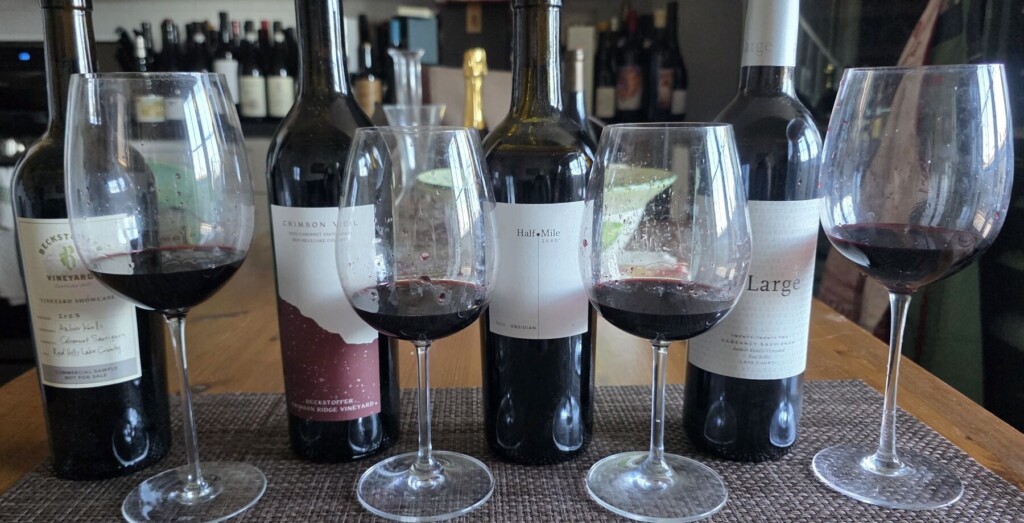
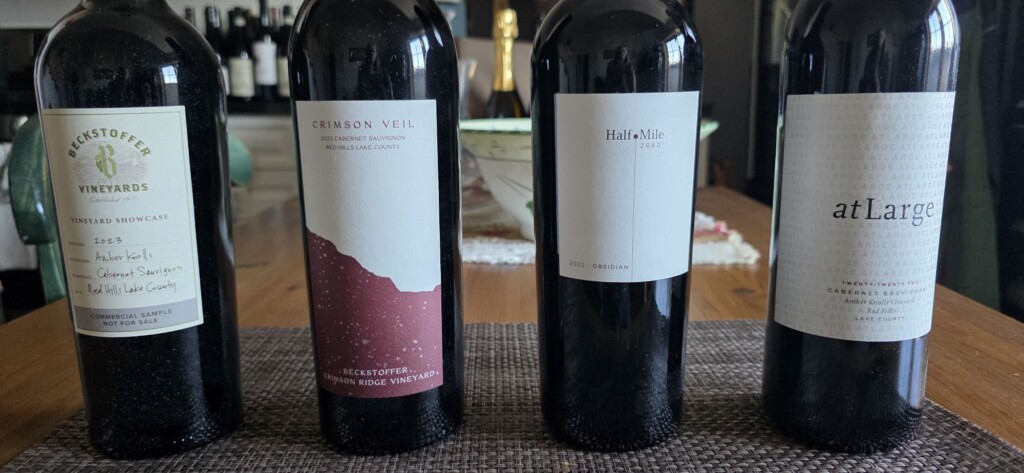
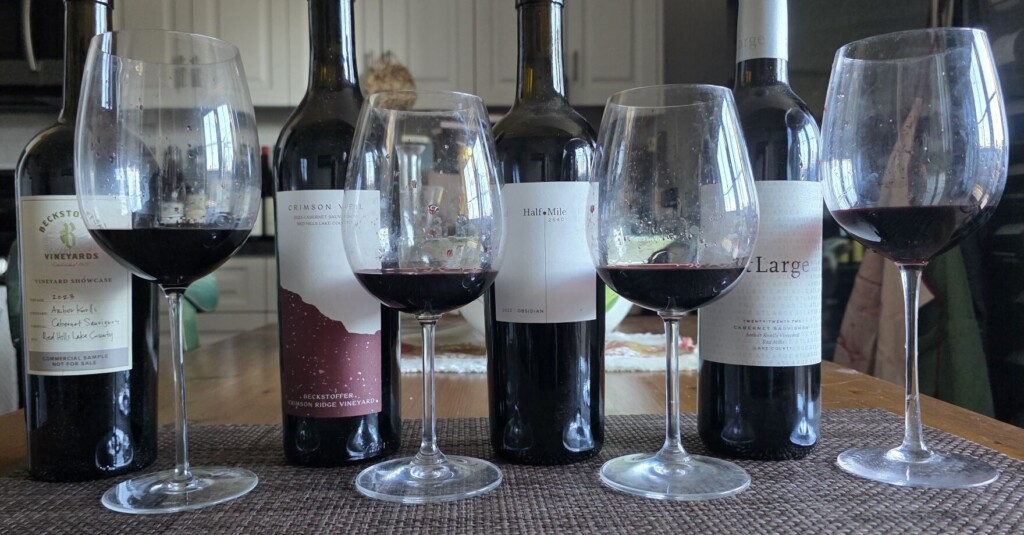
Here are the four wines I tasted:

Beckstoffer Vineyards 2023 Amber Knolls Vineyard Cabernet Sauvignon, Red Hills AVA, Lake County (not for resale)
Amber Knolls Vineyard was planted in 1999 and the vines are now more than 25 years old. The wine was aged for 17 months in 100% French oak. Aromas of blackberry, espresso, wild flowers, and savory herbs hit the nose. On the palate, there are dark red fruit, spice, and dark chocolate notes. Tannins are lightly textured and in harmony with the fresh acidity.
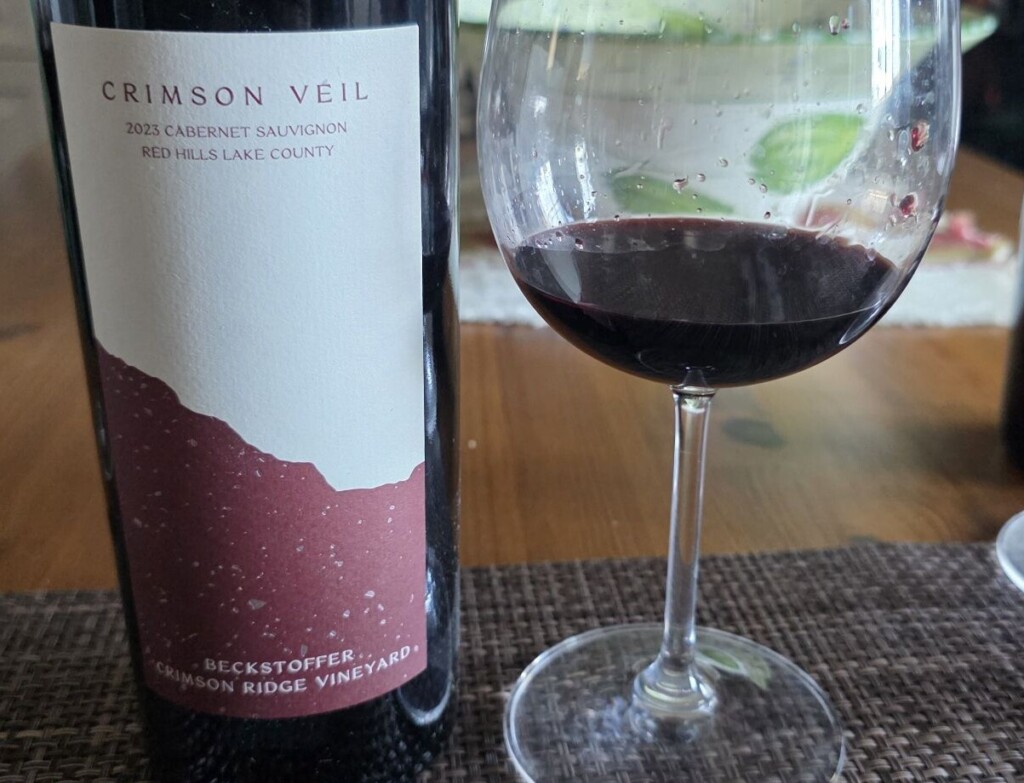
Crimson Veil 2023 Beckstoffer Crimson Ridge Cabernet Sauvignon, Red Hills AVA, Lake County ($80)
B Cellars has a long-term partnership with Andy Beckstoffer. Grapes were hand-harvested, fermented in stainless steel, pressed, and aged for 20 months in 50 percent new French oak. The wine is deep purple in color with blackberry, plum, baking spice, and espresso aromas. On the palate, the wine has softy drying tannins that are coated by vibrant acidity.
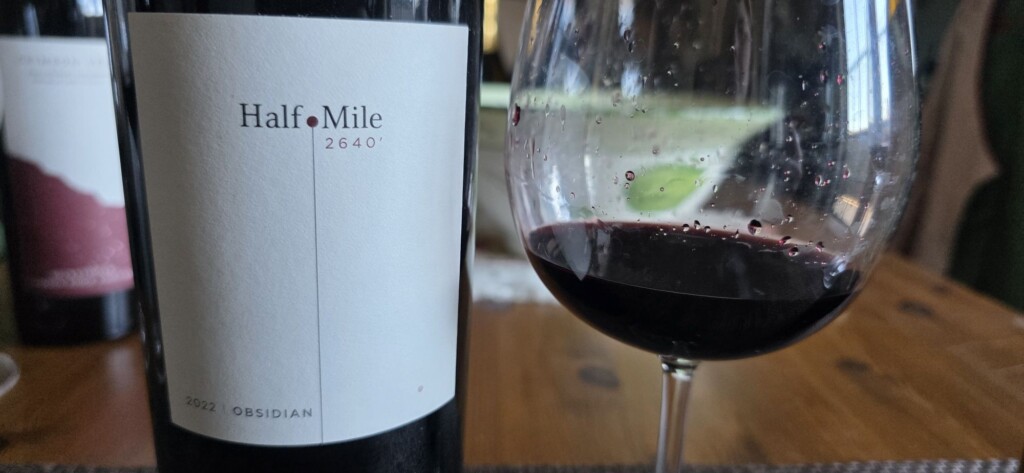
Obsidian Wine Co. 2022 “Half Mile” Cabernet Sauvignon, Obsidian Ridge Vineyard, Red Hills AVA, Lake County ($80)
This Cabernet Sauvignon has 4% Malbec, 2% Petite Sirah, 1% Petit Verdot, and 1% Syrah blended in and spends 15 months in Hungarian oak (40% new). Herbal notes of chaparral and wild herbs are more prominent in this wine, as well as dark chocolate and lilac floral notes. Tannins are textured and the acidity leaves the mouth watering.
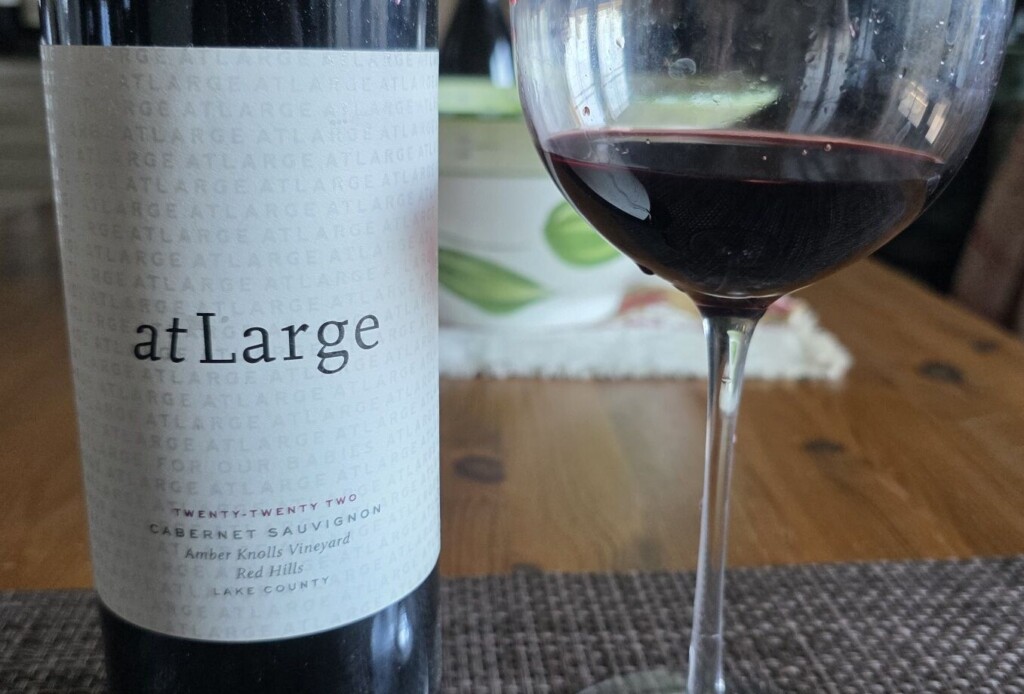
AtLarge 2022 Cabernet Sauvignon, Beckstoffer Amber Knolls Vineyard, Red Hills AVA, Lake County ($85.00)
The grapes are destemmed, with whole berries undergoing small-lot fermentation with pumpovers. The wine is gently basket pressed and gravity-fed to barrel where it is aged for 20 months in French oak (60% new and 40% once used). A rich wine with layered notes of blackberry, violet, black tea, and crushed herbs, it finishes with silky tannins and a savory herbal note.
Discover more from Please The Palate
Subscribe to get the latest posts sent to your email.