

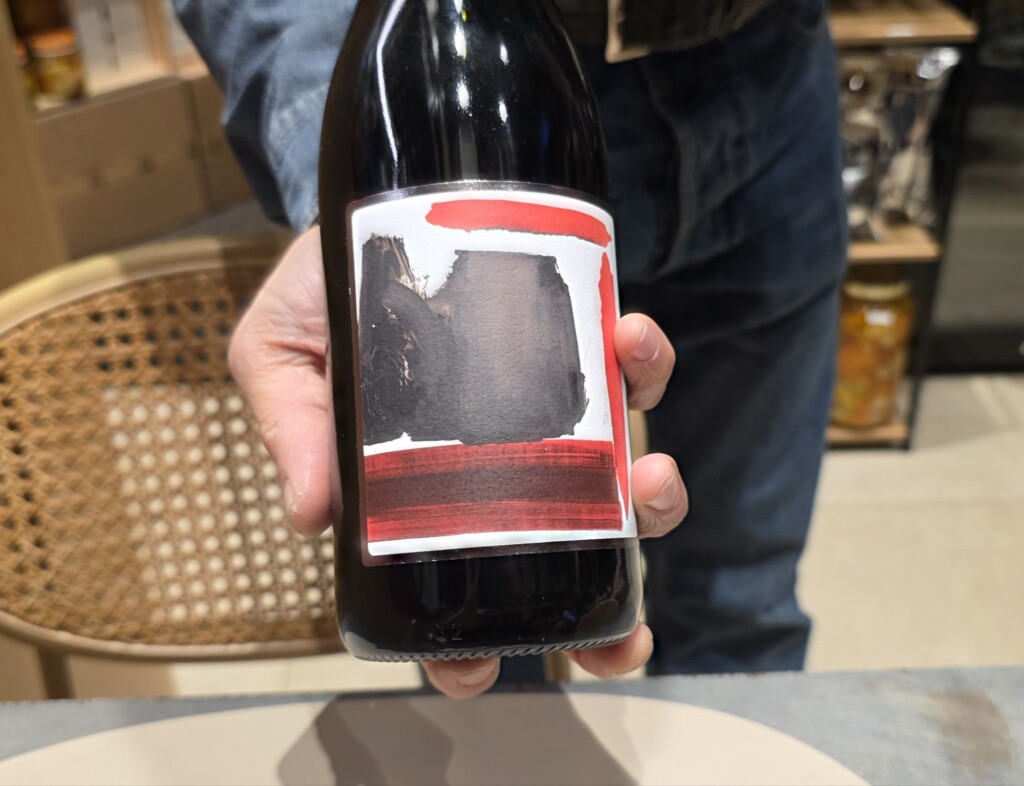
17 Dec Please The Palate Wine of the Week: Cascina Val Liberata 2021 Cenerina Slarina, Monferrato
I love discovering new grape varieties, and Italy, especially Piemonte, never stops delivering. I consider myself familiar with many of the region’s indigenous grapes, including Freisa, Ruchè, Nascetta, and Grignolino. But Slarina? That was a completely new one for me. So when I spotted it on the list at Vinomio in Vercelli last week, I had to know more. What was this grape? What does it taste like? What is its story? And once I tasted it, I knew the Cascina Val Liberata 2021 Cenerina Slarina, Monferrato is the Please The Palate wine of the week.
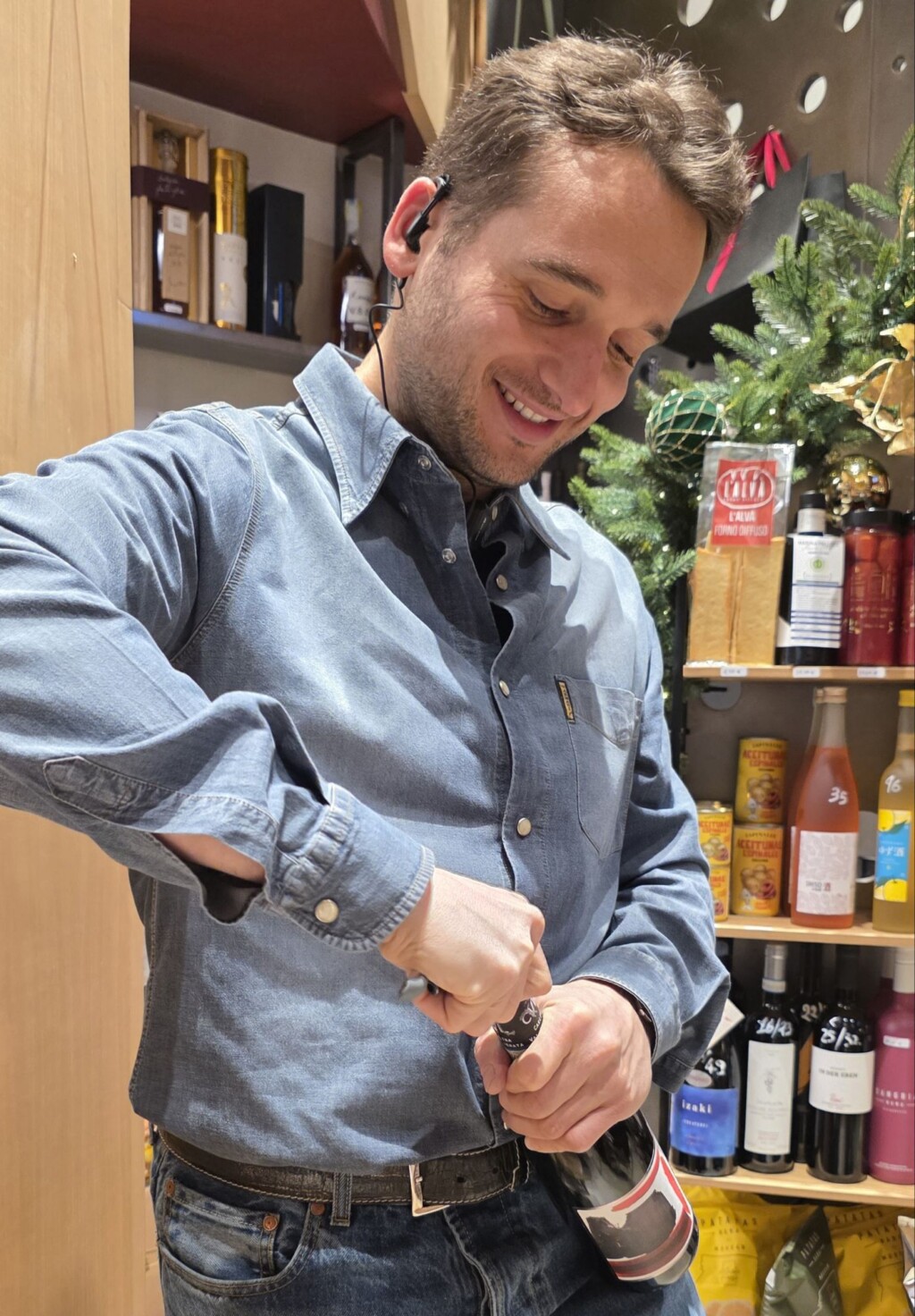
About the Grape Slarina
Slarina is an ancient Piedmontese grape variety historically grown in Monferrato, where it was also known as Cenerina, a name derived from the word cenere, or ash. The grape earned this nickname because of the heavy bloom on its skins, which gives the clusters the appearance of being dusted in ash.
Despite its history, Slarina nearly vanished in the early 1900s due to its naturally low yields, falling out of favor as higher-yielding varieties like Barbera took hold. Its revival is thanks to the research of Anna Schneider and Stefano Raimondi at the University of Turin, who rediscovered the grape and successfully reintroduced it to the National Register in 2007.
A pivotal moment came in 2013, when a microvinification revealed Slarina’s potential for elegant aromatics paired with a refined tannic structure. Believing in the future of this once-forgotten grape, Cascina Val Liberata planted their first Slarina vineyard the following year.
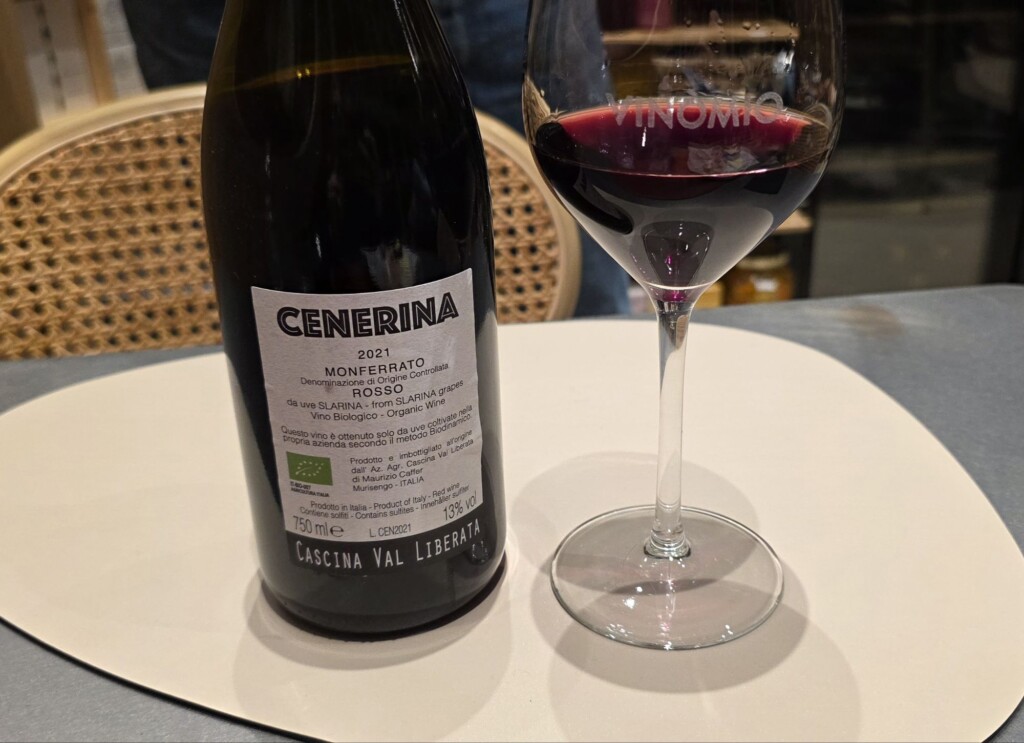
About Cascina Val Liberata
Founded in 2013 by Deirdre and Maurizio, Cascina Val Liberata is a small biodynamic farm in Monferrato rooted deeply in respect for nature and place. The estate spans 10 hectares, with just 4 under vine and the remainder is preserved as woodland, reinforcing biodiversity and balance.
Their vineyards are planted to four varieties – Slarina, Baratuciàt, Grignolino, and Nebbiolo – and are farmed biodynamically with meticulous attention throughout the year. From pruning by the lunar calendar to tying vines with willow shoots grown on the property, every decision is guided by observation and rhythm rather than intervention.
In the cellar, tradition continues. Fermentation and aging take place in reclaimed early-20th-century cement tanks made from pozzolanic cement, a material rooted in ancient Roman winemaking. The wines are neither fined nor filtered, allowing each variety and each vintage to speak clearly.
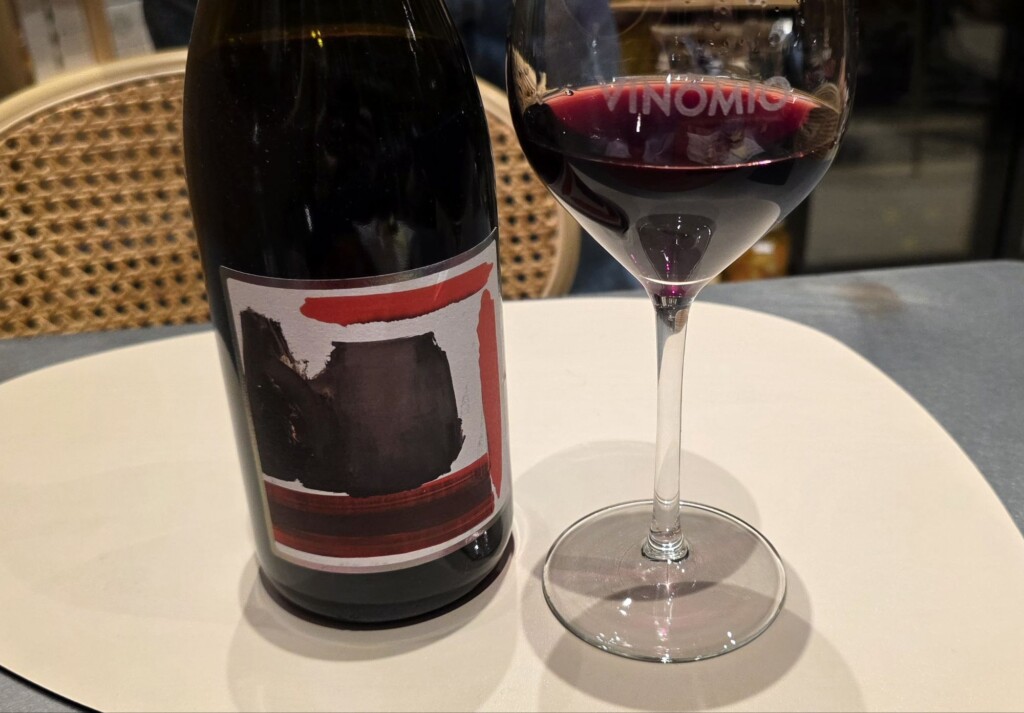
Tasting Notes
The Cascina Val Liberata 2021 Cenerina Slarina is a medium bodied wine with red plum, cherry, and blackberry aromas with a touch of floral and spiced notes. The wine is structured with soft tannins and high acidity for a fresh finish. In flavor and body, Slarina sits between a Barbera and Grignolino.
Food Pairing
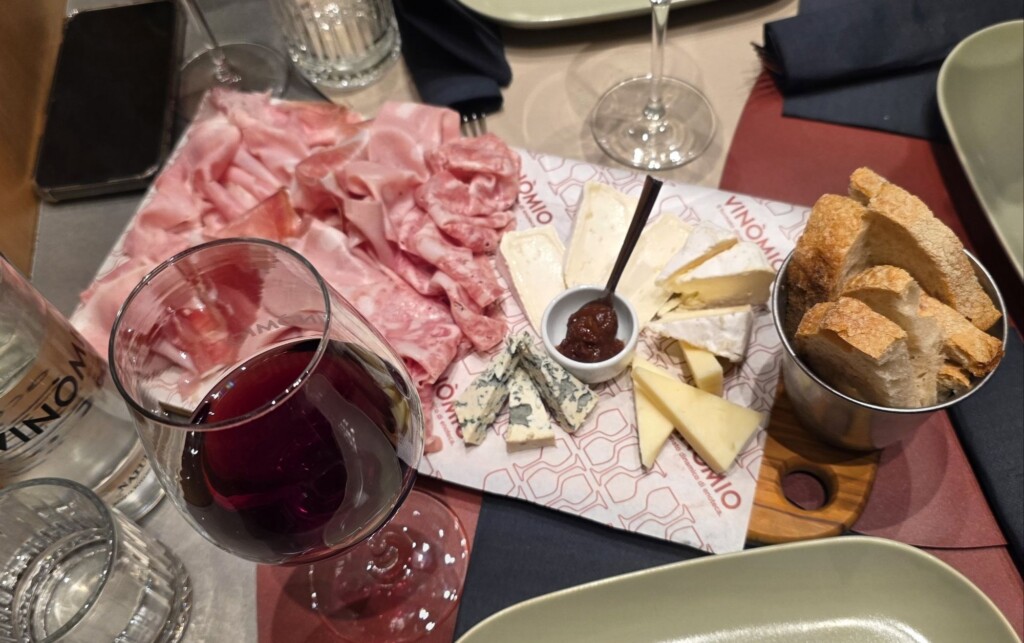
I enjoyed this wine with a cheese and charcuterie board. It has enough structure to stand up to cheeses and meats but is also easy drinking and fresh.
Where To Purchase
Cascina Val Liberata is a small producer, not imported into the US (at this time). And Slarina is a very rare variety. So, if you can find a Slarina in the US, try it. Otherwise, if you find yourself in Piemonte, Italy, try to find it!
Discover more from Please The Palate
Subscribe to get the latest posts sent to your email.