This story originally appeared in the Napa Valley Register. There is a new trend in fine dining and it is called “social responsibility.” Recently, I attended Taste Talks Los Angeles, a food and drink festival featuring talks, tastings, dinners and parties. As L.A.'s amazing chefs, restaurants and cultural figures came together, they engaged in great conversation, including the role social responsibility has in the hospitality industry.
According to the California Senate Committee on Transportation and Housing, California has more than 118,000 homeless people, accounting for 22 percent of the nation’s homeless population. Many across the state, from political groups to nonprofits to for-profits to individuals, are working to solve this moral crisis, and the hospitality industry plays an important role.
Chrysalis is a Los Angeles based nonprofit organization  founded in 1984 to create a path to self-sufficiency for homeless and low-income individuals. They provide the resources and support to find and retain employment. To date, more than 58,000 men and women have been helped and, most importantly, 71 percent of people who find work through Chrysalis keep their jobs, officials said.
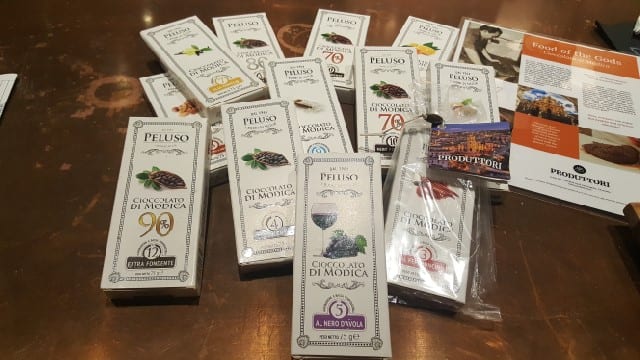
Anything you think about chocolate will be changed after trying Peluso Chocolate from Sicily. This special chocolate is not just about eating chocolate, it is about eating a story. And Peluso Chocolate is the Please The Palate pick of the week. Peluso chocolate is called chocolate "made in the cold." This recipe was created in 1746 in the southern city of Modica in Sicily and has been made the same way ever since. The cocoa seeds are ground and mixed with sugar. Those are the only two ingredients! There is no butter or oil or milk added. The processing is done at a low temperature of 90 degrees Fahrenheit. By processing it at a low temperature, the healing properties of the cocoa are maintained (they are typically lost when the temperatures reach more than 104 degrees). The healing properties of cocoa are tannins, which have antioxidants and blood pressure regulators. That means that this chocolate has benefits for cardiovascular health, antibacterial protection and safeguards against viral diseases. Flavanoids (which offer protection against tumors) ensure better liver function and help strengthen immune defenses to fight free radicals.
This story originally appeared in the Napa Valley Register.
The world of wine is vast. It is more than California, France and Italy. It is more than chardonnay, sauvignon blanc, pinot noir, merlot and cabernet sauvignon. There are more than a thousand wine-producing regions and thousands of different grape varieties in the world.
When we see a wine from a lesser-known wine-producing country or made from a grape we are not familiar with or made in a style that is not what we consider classic, we may call these wines “weird” or “archaic” or “artisanal” or “natural.” But it is important to have a broader perspective and look at the larger world of wine.
I have had the privilege to be introduced to a vast number of wine regions and wines, and, thanks to my work, I have tried wines from Greece, Portugal, Hungary, Turkey, Lebanon, Israel and Georgia, as well as all wines from the more well-known wine countries.
Copied!