

30 Oct Exploring Wine on the North Side of Etna: Eleven Wineries to Check Out!
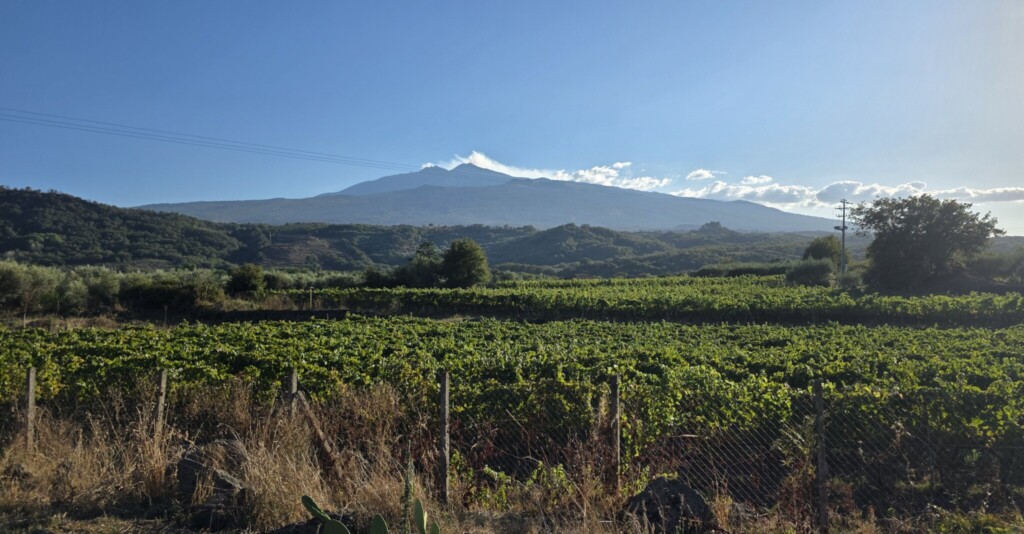
The north face of Mount Etna has a pull that’s impossible to resist. The volcano may rumble and puff, but it is the vineyards scattered across its slopes that command quiet awe. Here, centuries of lava flows have left behind ribbons of black rock and nutrient-rich ash. This patchwork of soils, layered eruption after eruption, now gives birth to wines of striking elegance, finesse, and tension.
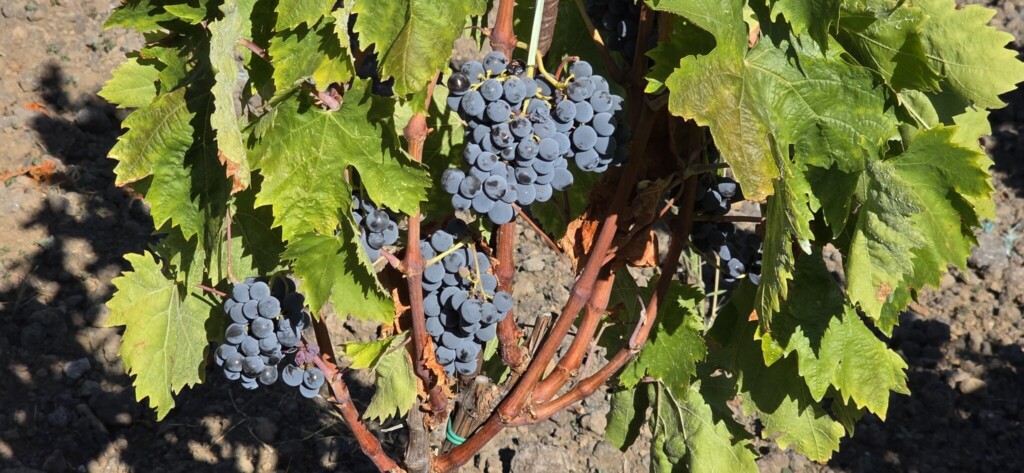
Unlike the sun-drenched southern slopes, the north side is cooler, wetter, and lower in elevation. Vineyards sit between 400 and 1,000 meters, where brisk winds and dramatic temperature shifts allow grapes to ripen slowly, preserving their bright acidity. This is where Nerello Mascalese, the noble red grape of Etna, thrives. Many liken it to Nebbiolo or Pinot Noir because of its pale ruby hue, red-fruited delicacy, and fine tannins. Alongside it, Carricante, the flagship white grape, channels the mountain’s stony freshness into crisp, textured whites.
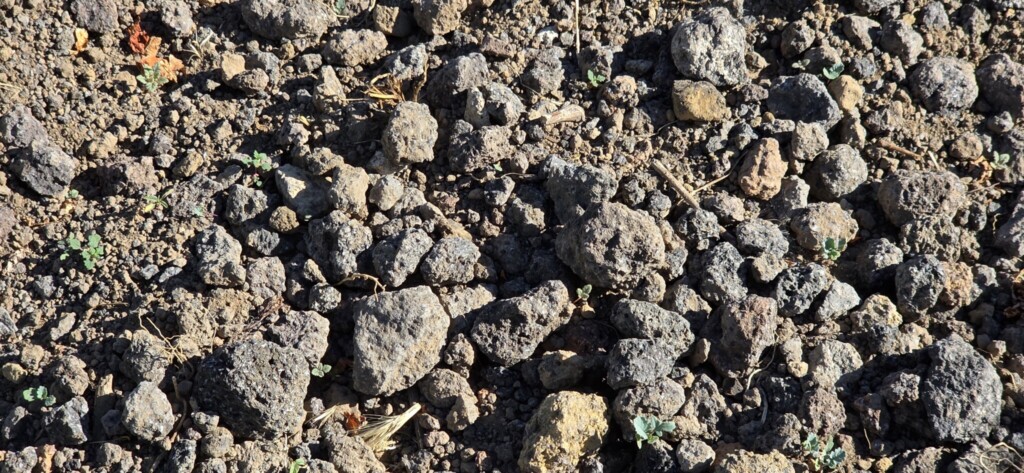
Most of Etna’s 133 contrade, the historical parcels defined by past lava flows, are located here on the north side of Etna. While the differences are subtle and nuanced to most of us, each contrada leaves its own fingerprint on the wines, shaping everything from acidity to aromatics.
During Etna Days, which I attended last month, I had the pleasure of visiting a handful of wineries on the northern side of Etna. And if you are traveling to Etna, these are eleven wineries to check out.
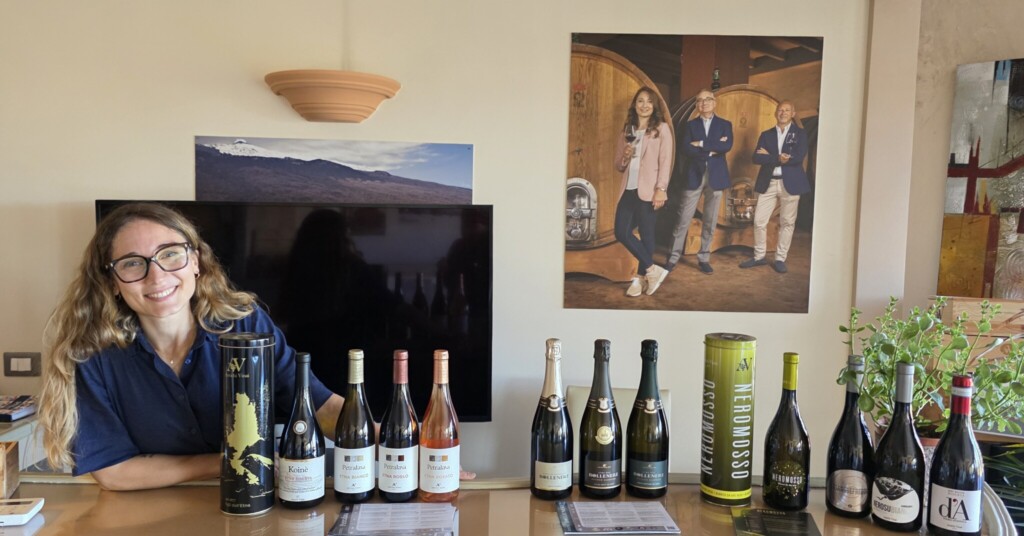
Antichi Vinai 1877: A Family Legacy
Antichi Vinai 1877 embodies Etna’s layered history. The family’s roots in wine stretch back to the 19th century, with Giacomo Gangemi inheriting land as a dowry and selling wine locally in the Alcantara Valley. Over generations, the family survived phylloxera, global conflicts, and changing markets, eventually returning to northern Etna to establish their modern estate.
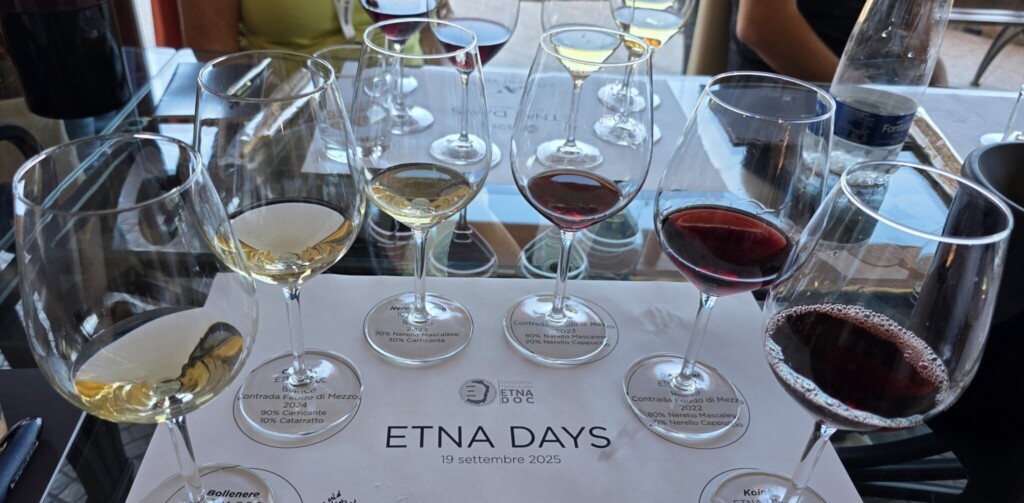
At 650 meters in elevation, their vineyards enjoy long growing seasons, winds that remove excess humidity, and soils enriched by centuries of lava. Gangemi’s wines reflect both tradition and experimentation: sparkling Nerello Mascalese (produced first in 1985) captures the grape’s crisp red-apple freshness, while Nerosubianco, a blend of Nerello Mascalese (vinified white) and Carricante, shows extraordinary minerality and structure. Their Etna Rosso, from Contrada Feudo di Mezzo, varies by vintage: 2022 offered lifted wild strawberry aromas and integrated tannins, while 2023’s cooler, rainier year produced a darker profile, with balsamic notes and drying tannins.
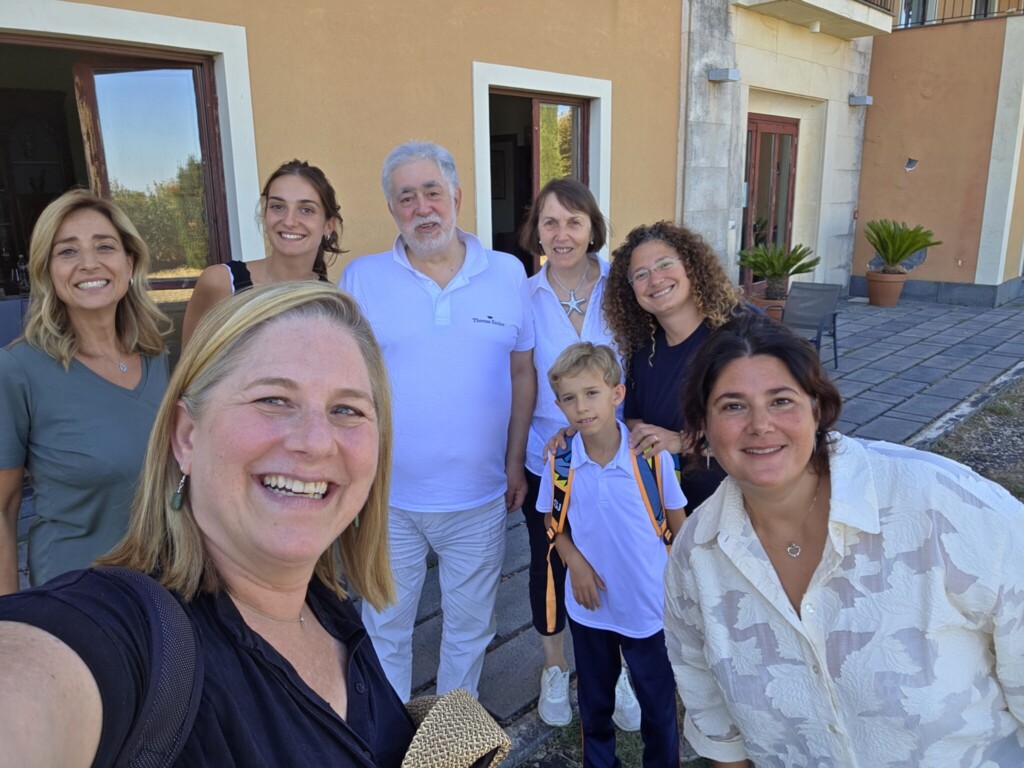
Vivera: Returning to Roots
Further north, near Linguaglossa, sits Vivera, perched between Etna and the sea. The estate is driven by Loredana Vivera, who fell in love with the family hobby of winemaking. Her family purchased the estate in 2003 and after a degree in fashion and textile, Loredana focused her interests on fermentation and studying wine. Their first vintage was in 2008, producing Nerello Mascalese, Nerello Cappuccio, and Carricante that thrive on volcanic soils studded with soft stones.
The estate’s wines reflect the unique confluence of sea breeze and volcanic influence: the 2025 Etna Bianco Carricante offers bright, fresh flavors and crisp minerality, while the Etna Rosso 2021 is structured yet approachable. Across Vivera’s vineyards, different eruptions have created microclimates that contribute subtle variations, giving each wine a strong sense of place.
Tenute Ballasanti: Soulful Expressions
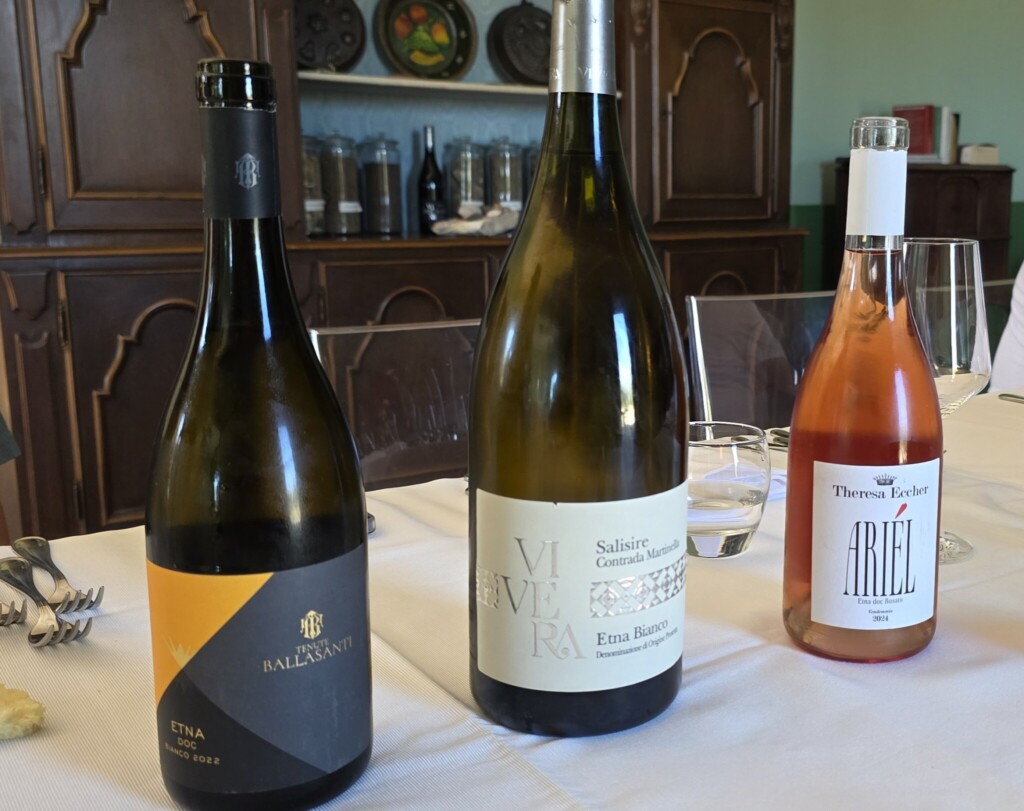
Manuela Seminara and her husband Fabio bring a poetic sensibility to northern Etna with their winery Ballasanti. After working abroad in Brussels, Manuela and her husband returned to Sicily, embracing her Sicilian roots and her connection to the land through her grandparents. With a love of structured wines, they focus on single-varietal expressions, including Nerello Mascalese and Carricante. The Etna Rosato 2024 bursts with vibrant acidity, while the Etna Rosso 2023 balances freshness and structure. Their approach highlights the northern slopes’ elegance, showing how careful winemaking can reflect both personality and terroir.
Theresa Eccher: From Journalism to Vineyards
Andrea Panozzo fell in love with Sicily while reporting on politics. He traded his career in journalism for the romance of Etna and started Theresa Eccher with his wife Daniela Conta Eccher, who has Austrian roots. Working with pre-phylloxera Nerello Mascalese vines and pure Carricante, they craft wines that balance accessibility with depth. Their portfolio includes an elegant Etna Rosato, a stainless-steel–fermented red, and a 15-month barrel-aged wine that delivers complexity without heaviness. Their approach underscores the north side’s ability to marry freshness and structure.
Tenuta Tascante: Early Visionaries
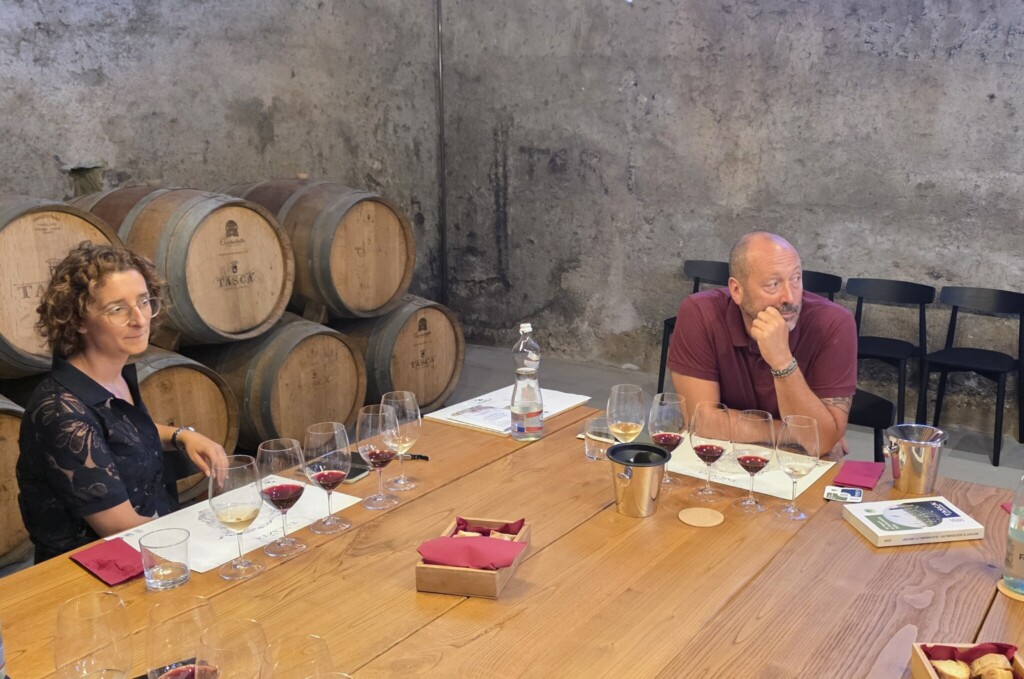
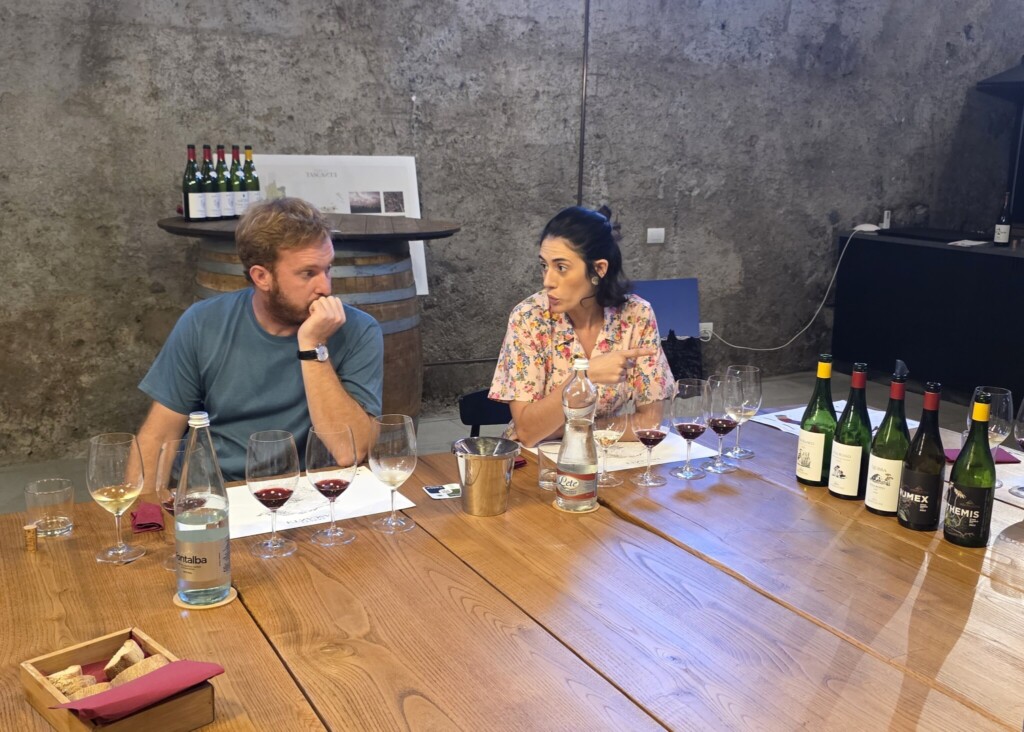
The Tasca d’Almerita family is one of Sicily’s historic wine dynasties. With wineries across Sicily, they saw Etna’s potential before the DOC gained widespread attention and established Tenuta Tascante in Etan in 2007. Their early plantings of indigenous varieties, terraces, and palmento restorations reveal the region’s Burgundy-like potential. By emphasizing sustainability and terroir, the Tasca wines illustrate how ancient soils and modern practices can harmonize, producing austere yet approachable wines with subtle elegance.
Monteleone: From Writing to Winemaking
Giulia Monteleone, a former journalist, and her partner Benedetto Alessandro established Monteleone in 2017, beginning with an old two-hectare vineyard near the river Alcantara. Today they have vineyards in two districts on the northern slope, Cuba and Pontale Palino. In Contrada Cuba, head-trained plantings date back to 1935 and in Contrada Pontale Palino, they have pre-phylloxera bush-trained ungrafted vines. Focusing on single-vineyard bottles, the 2024 Etna Blanco is the only blend they produce. It is crisp and fresh with bright citrus notes compared to the 2023 single vineyard Anthemis Etna Bianco that has texture, minerality, and great salinity. For the red wines, the 2023 Etna Rosso and the 2023 Qubba Etna Rosso are both single-vineyard field blends with 15% – 25% whole cluster. The 2023 Rumex Etna Rosso is from an old own-rooted vineyard that survived an eruption in 1911. The three red wines offer beautiful aromatics of red fruits and florals with savory notes and structured elegance.
Vita Nova: A New Life
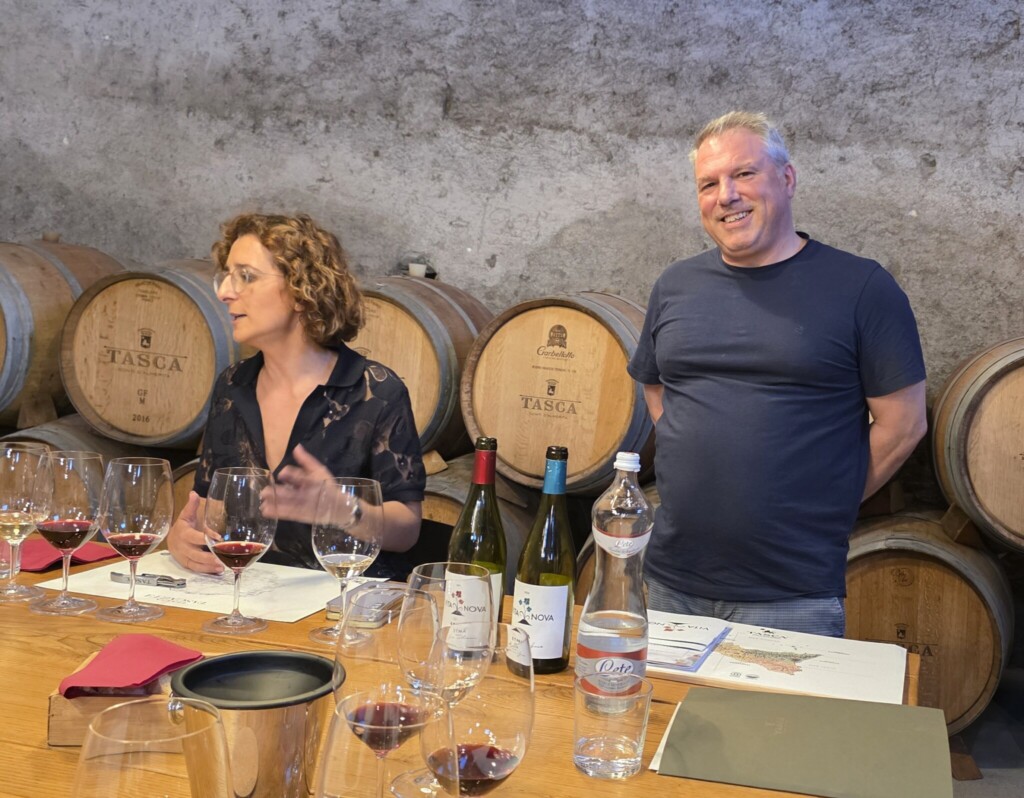
Founded by Marco Giachino, Vita Nova, which means “new life”, produced their first wine in 2017 and officially opened in 2018. Marco was a sociologist and worked in building construction. He saw others coming to Etna to make wine and decided to try it himself. He started with a half acre, replanting Nerello Mascalese, and expanded to one-and-a-half acres, which added Carricante. Farming organically, Marco focuses on preserving old vineyards, utilizing the ancient alberello vine-training method. The 2024 Maria Jose Etna Bianco, named after his parents Maria and Jose, come from a young vineyard planted in 2018 and has white flower and mineral notes. The 2024 Jose Maria Etna Rossa, also named for his parents, is elegant with a complex nose of red fruits and herbs.
Terre D’Arrigo: From Tuscany to Etna
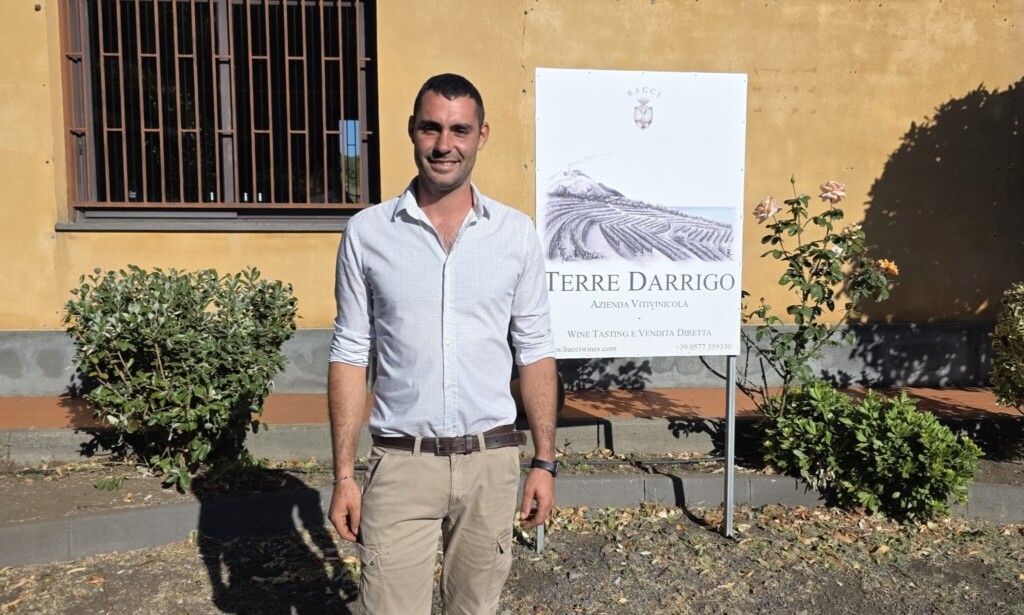
The Bacci family, originally from Tuscany, established their first Etna vineyards in 2022, establishing Terre d’Arrigo. Across 15 hectares, including 8 planted on northern slopes, they cultivate Nerello Mascalese and Carricante, embracing organic practices starting with the 2025 vintage. Their amphitheater-shaped vineyards in Randazzo show the impact of different soils on grape expression, creating wines that are fresh, light, and mineral-driven. The 2024 Etna Bianco displays smooth mid-palate texture, tropical citrus notes, and minerality, while the Etna Rosso 2023, made with half whole berries, is bright, fresh, and approachable, reflecting the site’s youthful energy.
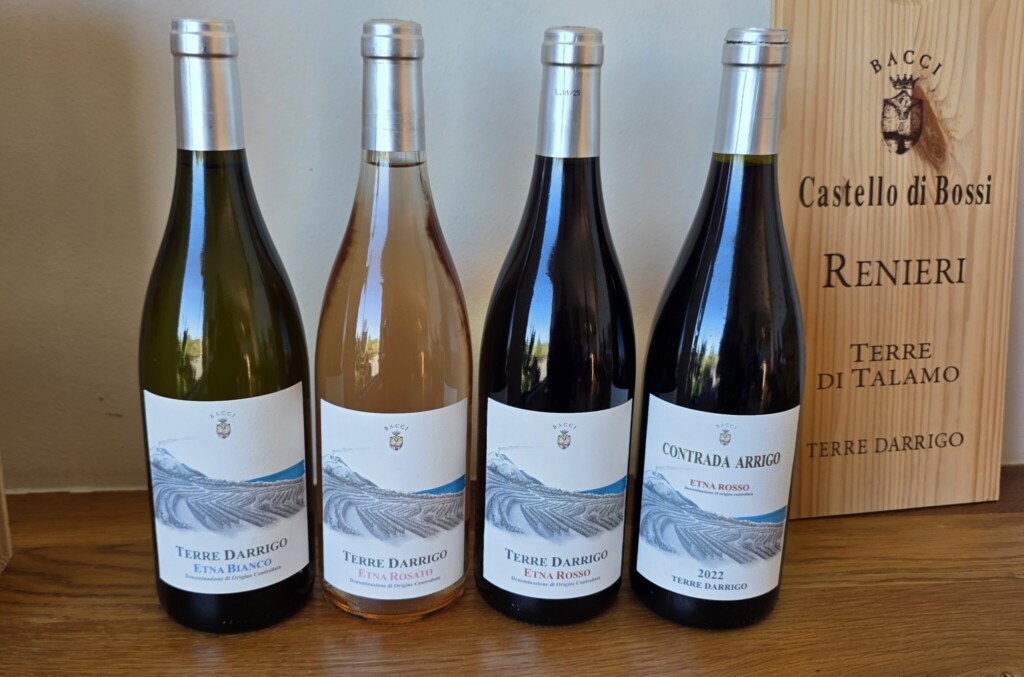
The 2023 Contrada Sciaranuova Etna Bianca, fermented and aged in barrel, offers beautiful minerality and tannic complexity. It’s counterpart, the 2021 Contrada Sciaranuova Etna Rosso has rose petal notes and a balance of elegance and energy. In contrast, the 2021 Contrada Rampante Etna Rosso shows the energy of the volcano with darker red fruit aromas, lighter tannins and a fresh lift and the 2021 Contrada Pianodario reflects the breeze that flows through the vineyard with its elegant nose of red fruits, minerality, and vibrant acidity.
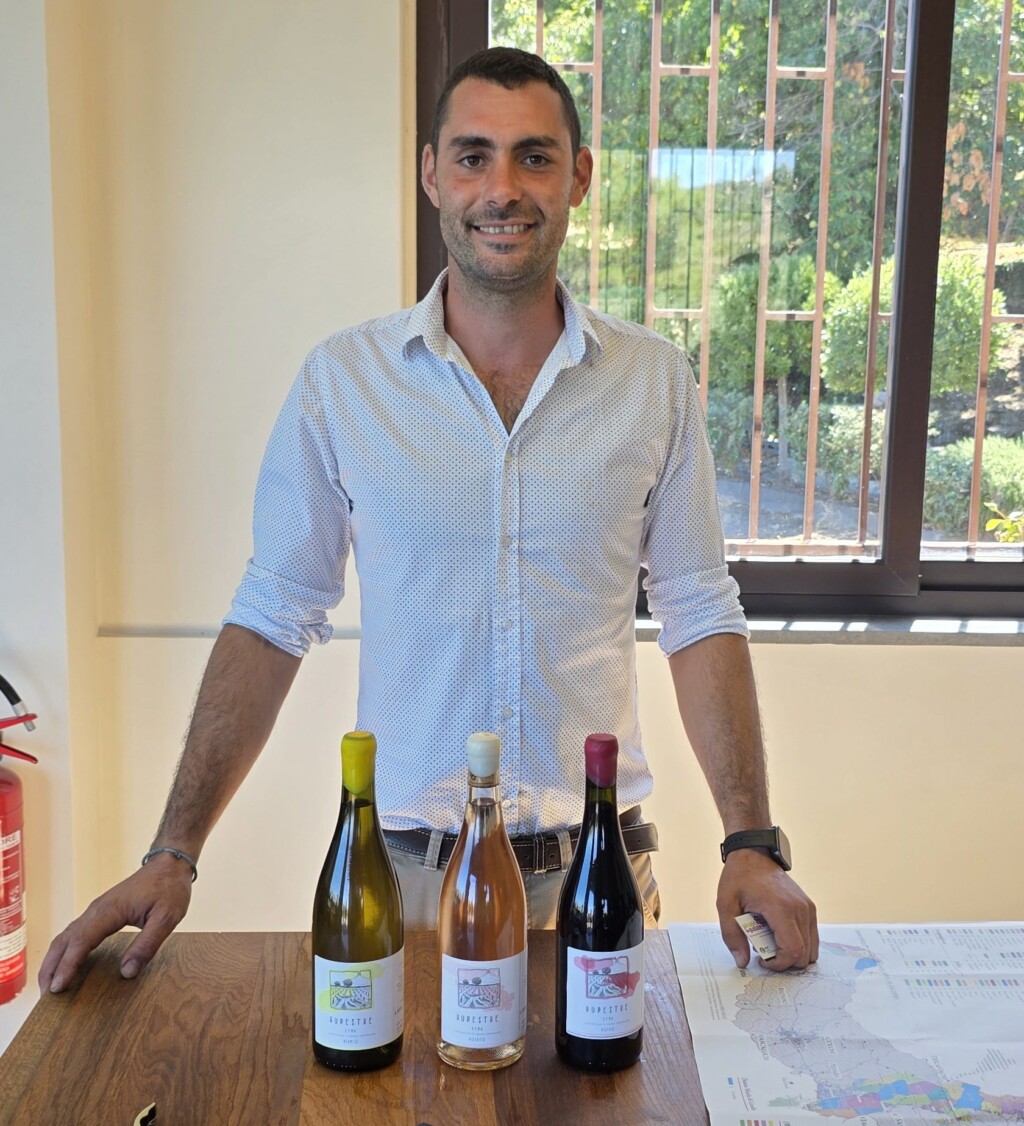
Azienda Agricola Raciti: Three Generations of Viticulture
The Raciti family has been making wine since 1926. Three generations later, in 2019, Renato Raciti, who is also the winemaker at Terre D’Arrigo, and his two brothers, created the brand Rupestre. Rupestre draws on vineyards in Castiglione di Sicilia, including Pietramarina, Moganazzi, Pietrarizzo, and Verzella. The brand’s name, meaning “ancient,” honors the family’s palmento dating back to the 1500s. Raciti focuses on austere, elegant wines with lower extraction and concentrated red fruit flavors. Contrada Pietramarina 2024 offers pear, green apple, floral notes, and minerality, while the Etna Rosso 2022 from 25+ year-old vines delivers intensity and grippy tannins.
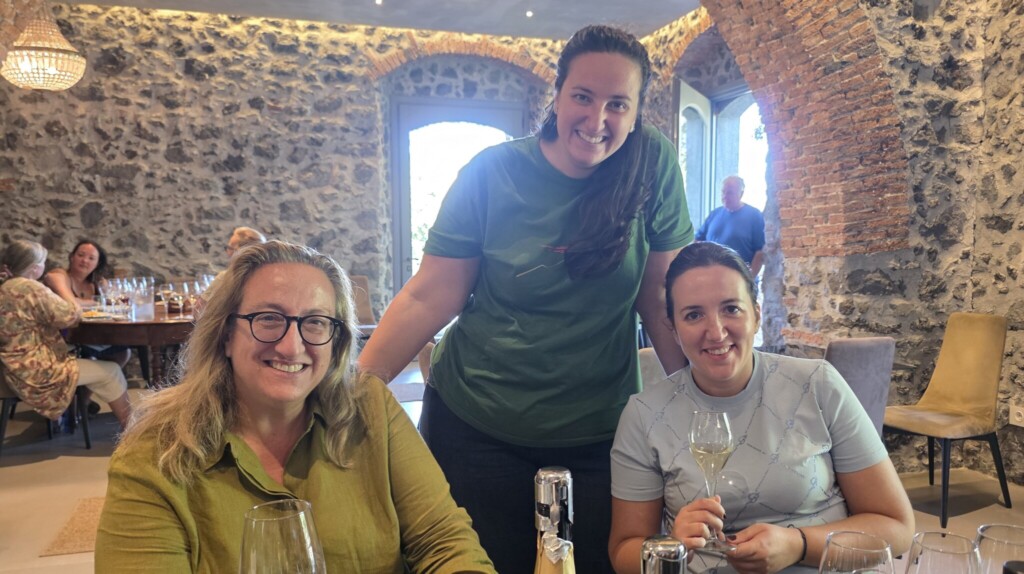
Camporè: Sisters Look to the Future
Located in Randazzo’s Contrada San Lorenzo, Camporè (“Field of the King”) was created by sisters Maria Pia and Cristina Madaudo in 2016, though the family has been producing wine in Sicily since 1945. Their eight hectares include Nerello Mascalese vines up to 100 years old. The estate blends tradition with modernity, producing wines that balance structure and freshness. Their focus on small-scale production, combined with a dedication to terroir, creates wines that feel intimate and expressive of the north side’s volcanic soils.
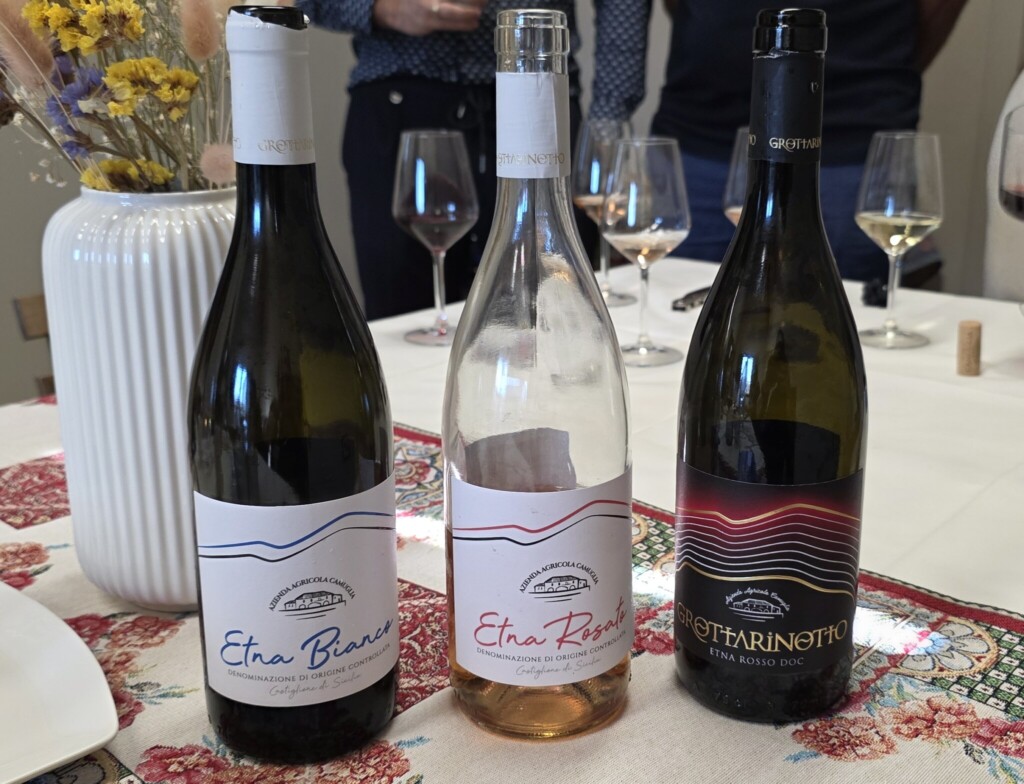
Azienda Agricola Camuglia: Three Sisters Start Their Wine Journey
Run by sisters Roberta, Martina, and Audrina, Camuglia is a new winery built on vineyards inherited from their grandfather and expanded with additional plantings of Carricante, Catarratto, Nerello Mascalese, and Nerello Cappuccio. Their first vintage was 2022, and they produce small, organic lots. The 2024 Rosato combines vines aged 10–60 years, offering Bandol-like intensity, vibrant acidity, and an intense red fruit perfume. Their 2024 Bianco, 100% Carricante, delivers floral and citrus intensity with persistent minerality and bitter almond notes on the finish. Camuglia’s approach emphasizes sustainability, diurnal shifts, and the northern slope’s windy conditions, producing wines that are fresh, textured, and elegant.
A Landscape of Time
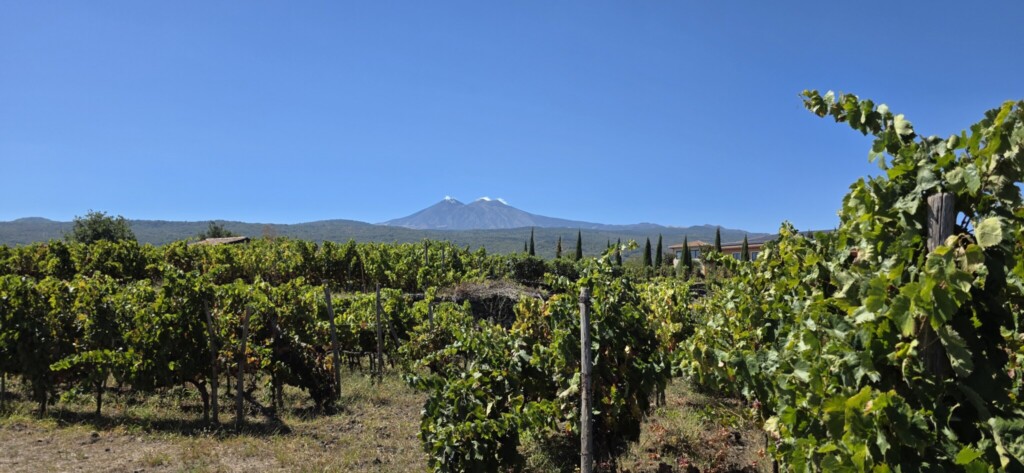
Visiting the north side of Etna was an exploration of contrasts between past and present, volcanic fury and cultivated calm, youthful experimentation and multi-generational tradition. With the winds shipping across the vineyard terraces, it was a pleasure to sip the crisp minerality of Carricante and the fine, red-fruited elegance of Nerello Mascalese, as I learned about each of these families and their legacies.
Discover more from Please The Palate
Subscribe to get the latest posts sent to your email.